Can I Sprinkle Joint Supplement Powder on Dry Dog Food?
Yes — with the right dose, mixing method, and expectations. A vet explains when topping kibble works and when it doesn't.
You can sprinkle joint supplement powder on dry food if you dose by weight and get it eaten.

On this page
Yes, you can sprinkle joint supplement powder on dry dog food — and for a lot of dogs, that’s the easiest way to get a consistent daily dose in.
I’m Cortney Curtis, and I work with handlers who need plain answers that hold up under conditioning. My position is simple: topping kibble works if you treat it like dosing, not seasoning. Measure by body weight, make sure the full serving is eaten, and watch mobility over weeks. I make no promise the working-dog data will not back, so I stay inside what the ingredients may help support for normal joint function.
Picture a 7-year-old, 68-pound German shepherd mix who still wants his evening loop around the block but hesitates at the curb. His owner bought a tub of glucosamine-plus-chondroitin powder, then stood in the kitchen wondering whether to mix it through the whole bag, dust the top of breakfast, or split it between meals. She worried the powder would sift to the bottom, that her dog would eat around it, and that a picky morning appetite would waste half the scoop. Three weeks in, the real question wasn’t whether powder could work — it was whether every milligram in the scoop actually made it into the dog, day after day.
That is the main decision. Powders don’t fail because kibble is the wrong carrier. They fail when dosing is sloppy.
When topping kibble actually makes sense
Powders suit dogs that won’t chew tablets, dogs that need a weight-based dose that doesn’t line up with a chew, and multi-dog homes where a 45-pound dog and an 85-pound dog eat different amounts. A powder lets you scale the scoop.
The tradeoff is contact. Dry kibble is uneven and a fine powder falls through. If you just dust and walk away, the active ingredients end up as residue in the bowl while the dog eats the kibble clean. What the handler does tomorrow: put the measured powder on a single meal you can supervise, add a tablespoon or two of warm water, stir to coat, and feed right away. Don’t top the storage bin. Don’t sprinkle on a full-day free-feed bowl you can’t monitor.
For background on what those ingredients are expected to do, “Glucosamine and chondroitin are among the most studied joint support ingredients for dogs.” Chondroitin itself “supports healthy synovial fluid homeostasis” in recent peer-reviewed work reported in Frontiers in Veterinary Science, which matters because synovial fluid is what cushions and lubricates a working joint during day-to-day movement.
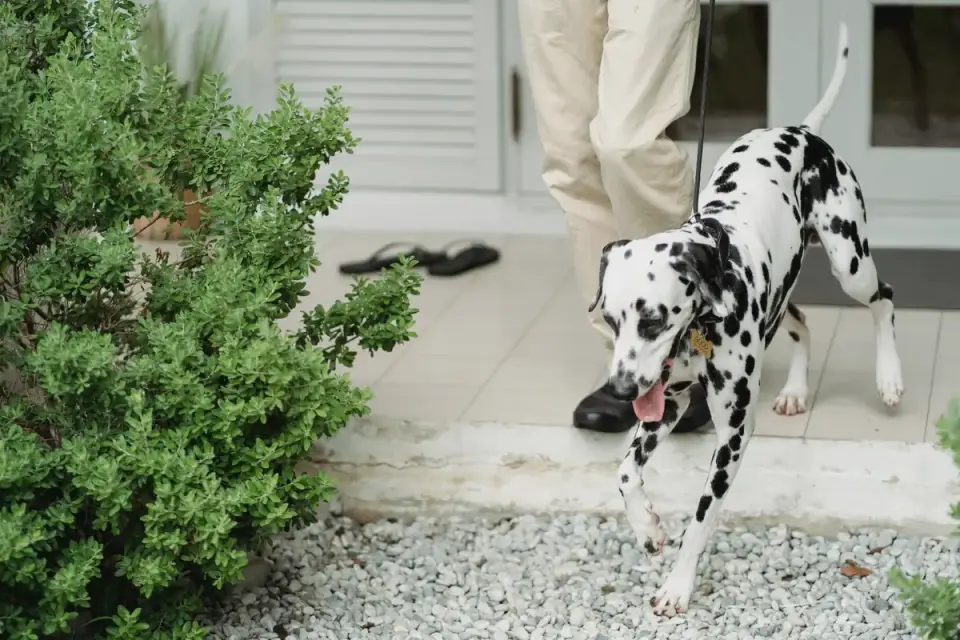
The palatability problem no label warns you about
Here’s where my recommendation gets complicated. A 4-year-old, 52-pound border collie in agility training loved her kibble plain and went off food the day her owner added a fishy green-lipped mussel powder at full dose. The owner assumed the dog needed a different formula. What she needed was a slower introduction. By day 10, after a week of quarter-dose mixed with a splash of water and then a step up every three days, the dog was cleaning the bowl again and back to normal training reps without the breakfast standoff.
Palatability is the strongest counterargument to my “just top the kibble” advice. Some powders smell marine or yeasty, and some contain MSM that tastes bitter to sensitive dogs. If acceptance drops, consistency drops, and no ingredient can may-help-support anything from the bottom of the bowl.
So run a 7-day test. Start at one-quarter to one-half dose, coat lightly with water or a spoon of canned food, and confirm the bowl is licked clean. If the dog sorts, leaves powder sludge, or skips meals, powder-on-dry isn’t your format — consider a capsule, a different carrier, or splitting the dose across two smaller meals. Check your math against How to Read a Dog Joint-Support Supplement Label and Dog Joint-Support Supplement Label Disclosure Checklist before you assume one scoop fits every weight.
What the evidence will and won’t let me say
Handlers want to know if sprinkling changes absorption. There’s no good head-to-head trial proving powder-on-kibble beats chews or capsules for joint outcomes in pet dogs. I won’t invent one.
What we do have is ingredient-level work. Glucosamine HCl was shown to “prevent experimentally induced cartilage degradation in vitro” in research published in the Journal of Veterinary Medical Science. That’s lab-model evidence, not proof your dog will climb stairs better — useful for mechanism, thin for predicting performance.
Green-lipped mussel is similar: interesting biology, early models. One comparative oil study in Nutrients found that “BMO, GMO, and KO all alleviated paw swelling in rats and reduced serum levels of rheumatoid factor (RF), anti-cyclic citrullinated peptide (anti-CCP) antibody, and pro-inflammatory cytokines such as TNF-α and IL-17.” That’s a rat inflammation model, not a canine mobility trial, so I cite it for what it is and stop there.
Because evidence is mixed and mostly preclinical, keep structure/function language. These ingredients may help support normal cartilage, connective tissue, and joint flexibility as part of conditioning, weight control, and regular movement — not fix lameness or replace a vet exam.
How to do it right on dry food
Think like a handler loading a pack: right load, balanced, secured. First, dose to the label’s weight band and use the included scoop, leveled — not a kitchen spoon. Second, feed powder with the dog’s most reliable meal, usually evening for most pets. Third, lightly moisten so the powder sticks, then serve promptly; don’t leave moistened kibble out for hours, and don’t heat it hot enough to cook.
Watch for double-dosing if you already feed a joint diet or give treats with glucosamine. Add up milligrams across sources for a week before you add powder. If your dog takes medication, is post-surgical, or has kidney, liver, or bleeding issues, ask your vet first — especially with combination products.
An edge case that changes the plan: a 12-year-old, 24-pound beagle with missing molars who inhales softened food but leaves dry kibble dusted with powder untouched. Her owner assumed sprinkling was universal. For her, the fix wasn’t more topper — it was soaking the kibble warm for 10 minutes until soft, then stirring in the weighed powder so each bite carried the same amount. By week four, the owner could finally confirm a clean bowl every night, which is the only compliance metric that matters for a daily supplement.
If you want a broader buying framework, see The Best Joint Supplement for Dogs: What Holds Up to an Orthopedic Read and Dog Hip and Joint Supplement: What Actually Matters Before You Buy One. If stiffness persists beyond 2–3 weeks of consistent dosing, or you see new limping, swelling, or reluctance to rise, get an orthopedic check rather than increasing the scoop.
You don’t need a perfect delivery system. You need a measured dose, eaten completely, repeated daily while you maintain lean weight and steady exercise. Do that, and sprinkling on dry food is a sound, handler-practical choice.
Frequently asked questions
Will powder lose potency on dry kibble?
Not from brief contact. Moisten lightly with warm — not hot — water and serve right away. Do not mix into stored kibble or leave moistened food out for hours.
Should I split the daily powder across two meals?
Splitting can help picky dogs or large doses, as long as the total daily amount matches the label for your dog's weight and both portions are fully eaten.
How long before I judge whether topping is working?
Give consistent daily dosing 4–6 weeks alongside healthy weight and regular walks, and track concrete markers like rising speed, stair willingness, or walk distance. Recheck with your vet if lameness worsens.
Sources
- Chondroitin and synovial fluid homeostasis study — Frontiers in Veterinary Science
- Glucosamine and cartilage degradation in vitro study — Journal of Veterinary Medical Science
- Mussel and krill oils in rat arthritis model — Nutrients