Dog Stomach Upset After Switching to Raw Food: What's Normal and What Isn't
A TCVM-trained vet explains why dogs get stomach upset when switching to raw food, how to tell a normal adjustment from a warning sign, and how to transition more gently.
Stomach upset around switching your dog to a raw food diet is common, and it usually settles with pacing.
On this page
Stomach upset around switching your dog to a raw food diet is common, and it usually settles with pacing. In my clinic I see this pattern often: an owner does everything right, reads the labels, sources good meat, and their dog still gets a few days of soft stool or a gassy belly. That’s not a sign raw food failed. It’s a gut telling you the change came faster than it could adapt to.
What’s Actually Happening in Your Dog’s Gut
A dog’s digestive system runs on consistency. Enzyme output, stomach acid levels, and the balance of resident gut bacteria all calibrate themselves to whatever a dog has been eating for weeks or months. Raw food is a genuinely different input — higher moisture, a different fat profile, and often more protein variety than a bag of kibble delivers in one sitting. When that input changes abruptly, the microbial population in the gut has to shift too, and that shift can show up as loose stool, gas, or a day of picking at food.
In Chinese food therapy terms, I think of this as a Spleen Qi pattern — the digestive system is being asked to “transform and transport” a heavier, richer food before it’s built up the capacity to do so smoothly. The fix in both frameworks is the same: give the system time, and don’t ask it to do too much at once.
How Fast Is Too Fast
The single biggest driver of transition upset I see is speed. An overnight switch from kibble to a full raw meal asks the gut to do in one day what it would rather do over one to two weeks. A slower approach — starting with a small portion of the new food mixed into the old, and increasing that ratio every few days — gives the gut microbiome time to shift gradually instead of all at once. Dogs with sensitive stomachs, seniors, and small breeds tend to need the slow end of that range; a robust, food-tolerant adult dog may handle a faster switch just fine.
Signs This Is a Normal Adjustment
Soft or loose stool for a few days, mild gas, or a day of eating a little less than usual generally falls within normal transition territory, especially in the first week. What it should not include is repeated vomiting, stool that looks black, tarry, or has visible blood, a dog who seems weak or withdrawn, or symptoms that are still going strong after two full weeks. Those are reasons to call your vet rather than wait it out, because they can point to something beyond a simple diet adjustment — a food intolerance, a bacterial issue, or an unrelated illness that happened to coincide with the switch.
Supporting the Gut Through the Transition
Fiber plays a genuinely useful role here. Pumpkin fiber is a gentle, natural source of both soluble and insoluble fiber, which is one reason it shows up so often in home remedies for a dog with a sensitive stomach — soluble fiber helps firm up loose stool while insoluble fiber keeps things moving normally. Some owners also lean on probiotic and digestive-enzyme support during a transition, since a balanced gut microbiome supports overall immune function, not just stool quality.
It’s worth being honest about what the research does and doesn’t show. A Frontiers in Veterinary Science study looking at probiotic response in dogs found that diversity metrics did not distinguish non-responders from responders — meaning even good research hasn’t fully pinned down which dogs will benefit most from a given probiotic strain, or why. That’s not a reason to skip gut support. It’s a reason to treat it as one tool among several, alongside a properly paced transition, rather than a fix that works the same way for every dog.
When It’s More Than a Transition
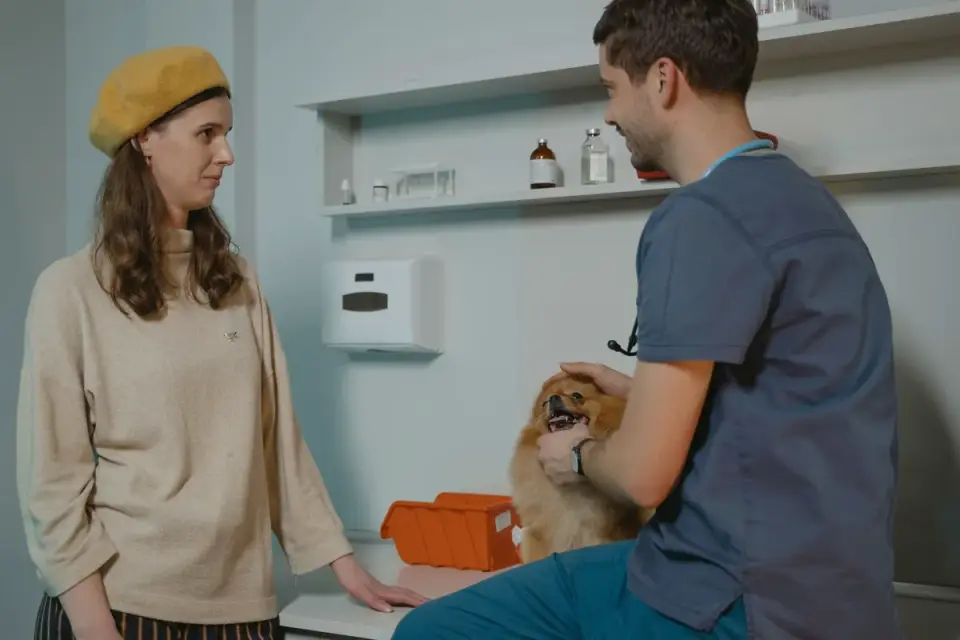
Dogs with an underlying condition like exocrine pancreatic insufficiency need a different playbook entirely. Per the Journal of the American Veterinary Medical Association, EPI is treated by pancreatic enzyme replacement therapy, nutritional management with low-residue diets of moderate fat content, and cobalamin supplementation — a raw diet’s higher fat content can be a poor fit for these dogs specifically, not because raw food is inherently harmful, but because a compromised pancreas can’t handle richer meals well. The same source notes that future studies are needed to further understand the causes of persistent dysbiosis in animals with EPI following initiation of pancreatic enzyme replacement therapy, which is a good reminder that gut science in dogs still has open questions, and a vet’s exam matters more than any single article when symptoms don’t resolve.
If your dog’s stomach settles within a week or two of a careful, gradual switch, you’ve likely just watched a normal adjustment play out. If it doesn’t, that’s your gut instinct working correctly too — it’s time for a vet visit, not a longer wait.
Frequently asked questions
How long does stomach upset from switching to raw food usually last?
In dogs with no underlying gut issues, mild loose stool or gas typically eases within three to seven days of starting the new diet and resolves within the first two weeks as the gut adjusts to the change in fat, fiber, and moisture.
Should I stop the raw diet if my dog has diarrhea?
A day or two of soft stool during a transition is common and doesn't automatically mean stop. Pause and call your vet if diarrhea is watery, contains blood, comes with repeated vomiting, or your dog seems lethargic or stops eating.
Can probiotics help with the switch to raw food?
Gut-support ingredients such as probiotics, prebiotic fiber, and digestive enzymes are commonly used to ease dietary transitions, though the strongest evidence is for their role in overall digestive and immune support rather than as a guaranteed fix for transition upset.
Sources
- Exocrine pancreatic insufficiency: pancreatic enzyme replacement therapy, nutritional management, and cobalamin supplementation — Journal of the American Veterinary Medical Association
- Diversity metrics and probiotic response in dogs with digestive health concerns — Frontiers in Veterinary Science