Why Does My Dog Growl When I Pet Him?
A vet-informed guide to why dogs growl when petted, how to read the warning signs safely, and what actually helps — from pain checks to long-term behavior work.
Understanding why your dog might growl the moment you pet him starts with reading his body, not assuming defiance.
On this page
Understanding why your dog might growl the moment you pet him starts with reading his body, not assuming defiance. A growl in that moment is a message, and figuring out what it means matters more than reacting to the sound itself.
The First Growl: What Your Dog Is Actually Telling You
Growling is one of the few unambiguous signals dogs have. It says: something about this is too much right now. That “something” could be physical pain, fear, overstimulation, or a resource he doesn’t want you near. It is rarely about dominance or trying to “be the boss” — that framing has mostly fallen out of favor with behaviorists because it doesn’t match how dogs actually communicate discomfort.
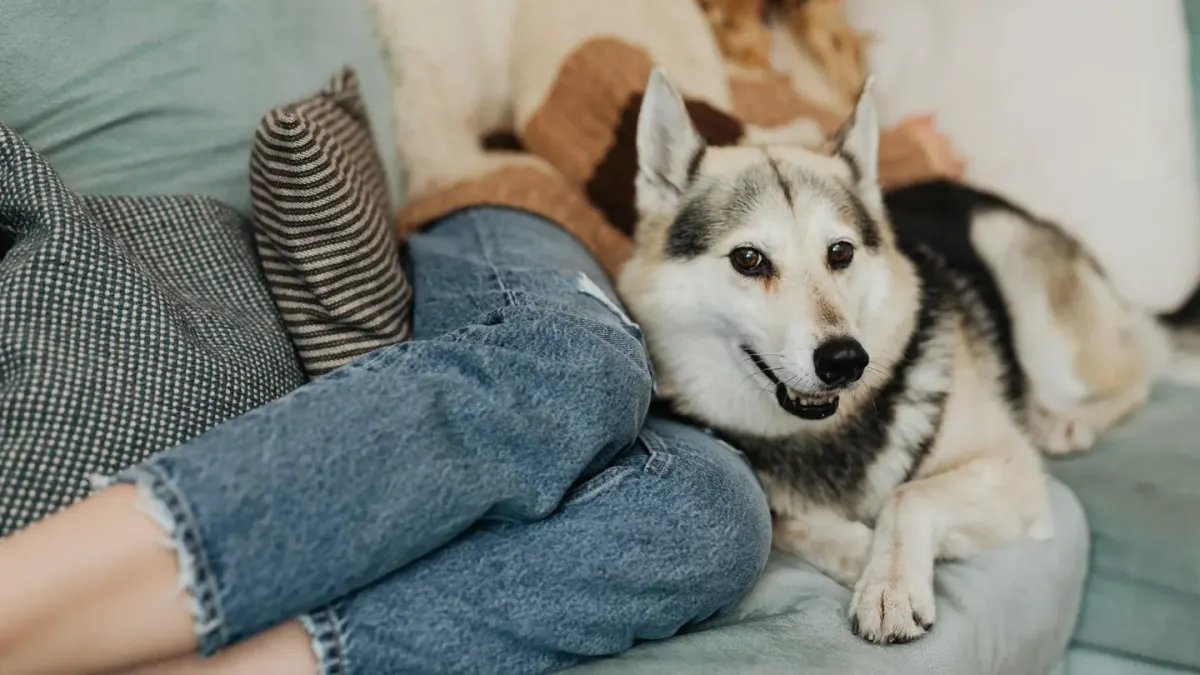
What matters in the moment is context: where were you touching him, what was he doing right before, and what did his body look like — stiff, still, leaning away — versus loose and wiggly. A growl paired with a soft, relaxed body during rowdy play reads very differently than one paired with a frozen posture and a hard stare.
Right After It Happens: How to Respond Safely
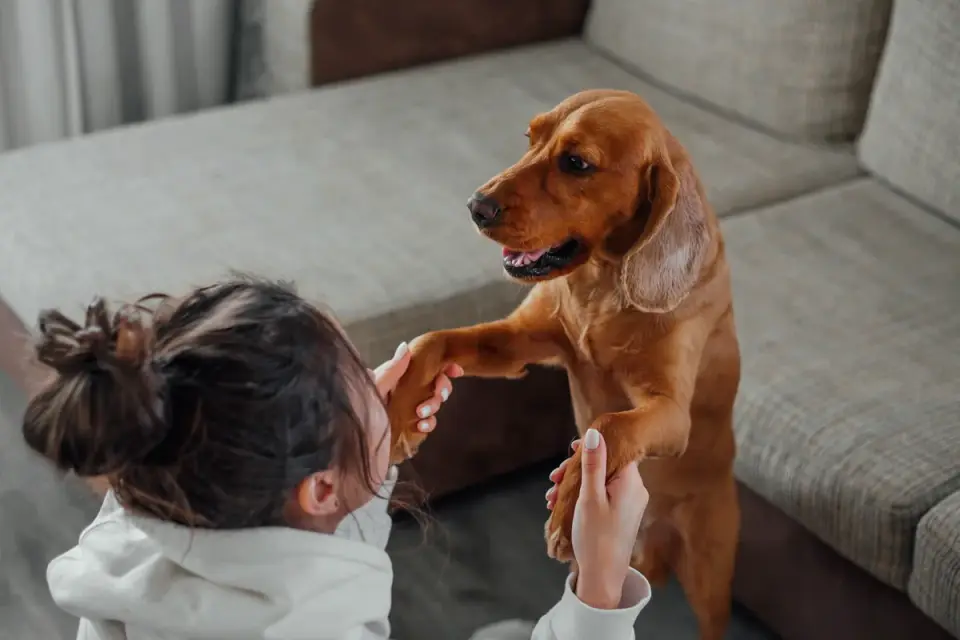
In the moment, the safest move is simple: stop touching, give him space, and don’t scold. Growling that gets punished doesn’t disappear — it just loses its warning function, and a dog can learn to skip straight to a snap. That’s a genuinely dangerous trade. Step back calmly, let him settle, and take note of exactly what preceded it so you can look for a pattern later.
Ruling Out Pain First
Before assuming a behavioral cause, it’s worth having a veterinarian check for pain. Uncharacteristic growling or snapping is a recognized sign of discomfort, and according to the Cornell University College of Veterinary Medicine’s guidance on recognizing pain in dogs, many dogs develop handling sensitivity as they age, particularly around joints, the back, ears, or a healing injury. A dog who tolerated petting for years and suddenly starts growling when touched in a specific spot is telling you something concrete, not acting out.
This is especially relevant for older dogs, where arthritis and other degenerative joint changes are common but easy to miss day to day, since dogs mask pain well. If the growling clusters around a particular area of the body, that’s worth mentioning directly to your vet rather than a general “he’s been growling lately.”
The Emotional Causes Behind Touch-Triggered Growling
Once pain is off the table, the remaining causes tend to fall into a few overlapping categories. The American Kennel Club frames growling broadly as a dog’s way of communicating discomfort, fear, or a need for space — and each of those shows up a little differently during petting.
Fear and Past Experience
Dogs with limited early socialization, or a history of rough handling, can associate hands reaching toward them with something unpleasant, even if the current owner has never mishandled them. Fear-based growling often comes with lowered body posture, tucked tail, or an attempt to move away before the growl even starts.
Overstimulation and Boundaries
Some dogs simply reach a threshold. A dog who loves attention for the first two minutes may growl on minute five, not because he’s changed his mind about you, but because he’s done. This is a boundary signal, and it tends to resolve on its own once petting stops.
Resource Guarding
If the growling happens while your dog is eating, chewing, or resting somewhere he considers his, he may be guarding that resource rather than reacting to the touch itself. This is a well-documented, treatable pattern, but it benefits from a structured plan rather than trial and error.
Building a Longer-Term Plan
Once you have a working theory for the cause, the fix is usually gradual. Short, positive sessions that pair light touch in the trigger area with something the dog values — a treat, a calm voice — can slowly rebuild a more comfortable association. Rushing this, or testing the limit to “prove” the dog is fine now, tends to set the process back.
Consistency across the household matters too. If one person respects the growl and another pushes through it, the dog gets a mixed signal about whether the warning actually works, which can make things worse rather than better.
Where Calming Support Fits
For dogs whose growling is tied to general anxiety or a low tolerance for handling, some owners look at calming ingredients as one piece of a broader plan — never a substitute for addressing the trigger directly. The evidence here is mixed in strength. A review in Biomedicines notes that for chamomile, evidence outside a few well-studied species is derived mainly from preclinical studies or traditional use, so claims should stay modest. Ashwagandha has firmer human data behind it: a systematic review in Cureus covering multiple randomized controlled trials concluded it has a moderate positive impact on stress reduction and cognitive performance. L-theanine’s evidence is more mixed still — a review in Molecular Psychiatry found meaningful anxiety benefit in only one study, on psychotic anxiety, at 400 mg/day for 8 weeks. None of this is dog-specific clinical proof, and none of it treats pain, fear conditioning, or resource guarding on its own — it’s context to bring to a conversation with your vet, not a stand-in for behavior work.
When to Call a Vet or Certified Behaviorist
A single growl during petting isn’t an emergency. A pattern that’s getting more frequent, involves snapping or biting, or shows up alongside other personality changes is. That combination warrants a veterinary exam first, to rule out pain or a medical cause, followed by a referral to a certified applied animal behaviorist or veterinary behaviorist if the exam comes back clear. Trying to manage escalating aggression alone, especially around children or other pets, carries real risk that’s worth involving a professional for.
Most dogs that growl when petted are not broken or defiant — they’re telling you something specific, and the growl is the easiest part of the problem to notice. The harder, more useful work is figuring out what came before it.
Frequently asked questions
Should I punish my dog for growling when I pet him?
No. Punishing a growl doesn't remove the underlying discomfort — it just teaches the dog to skip the warning next time, which raises the risk of a bite with no notice. It's more useful to note what preceded the growl and adjust your approach.
Can a dog growl when petted and not be aggressive?
Yes. Growling is a form of communication dogs use across a wide emotional range, from mild annoyance to genuine fear. The tone, the dog's posture, and the context (where you touched, what was happening around them) matter more than the growl itself.
Is it normal for an older dog to suddenly start growling when touched?
A sudden change in a previously tolerant dog is one of the more common reasons vets point to discomfort, such as joint pain or an injury, rather than a behavior problem appearing out of nowhere. It's worth a veterinary check before assuming otherwise.
How long does it take to stop a dog from growling when petted?
It depends on the cause and how established the pattern is. Once pain is ruled out, gradual desensitization and counterconditioning around the specific trigger can show progress over weeks, though some dogs need longer and professional guidance.
Sources
- Recognizing pain in dogs — Cornell University College of Veterinary Medicine
- Why Dogs Growl and How to Handle It — American Kennel Club
- Chamomile and stress-related conditions review — Biomedicines
- Systematic review of ashwagandha for stress reduction — Cureus
- L-theanine and anxiety outcomes review — Molecular Psychiatry