How a Dog's Elbow Carries Weight: A Plain-English Guide to Canine Anatomy
Learn how your dog's elbow supports weight, what balanced movement looks like, and when stiffness signals a vet visit.
Watch how your dog's elbow carries weight and you'll spot stiffness weeks earlier.
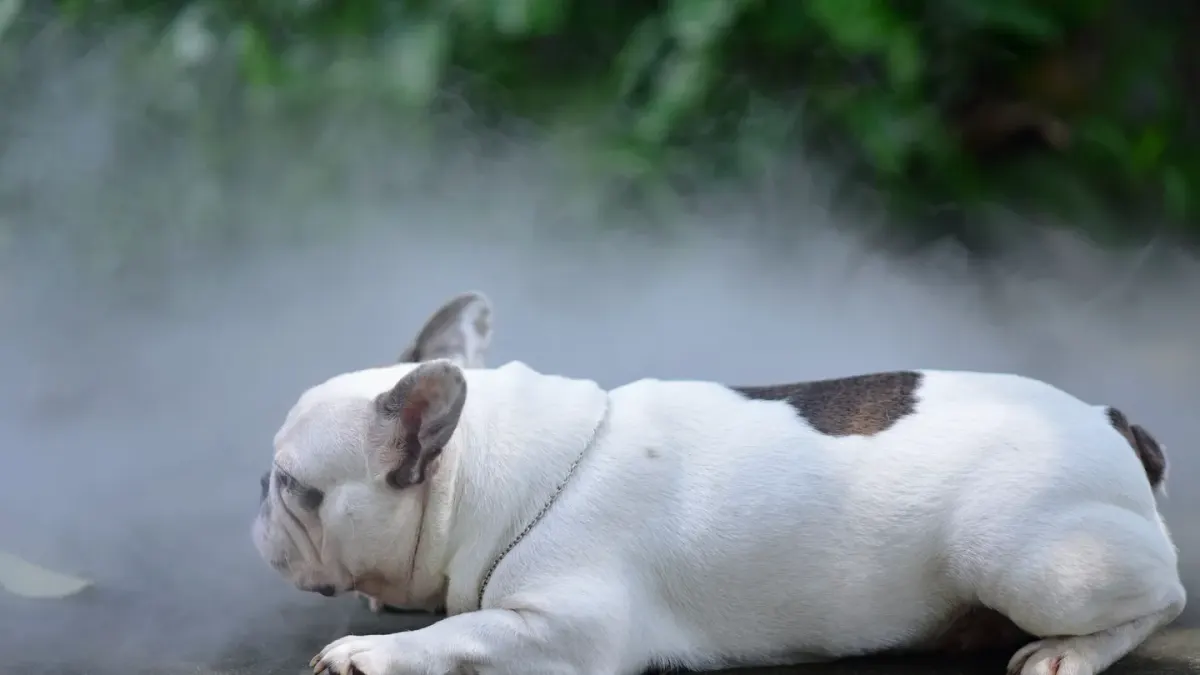
A five-year-old, 72-pound chocolate Lab hesitates at the kitchen threshold on a Tuesday morning. Yesterday he chased a ball for 20 minutes without a thought. Today his left forefoot lands half a beat late, his head bobs down as the right leg takes over, and he needs two tries to push up from his bed. His owner worries about his shoulder, but the hitch is lower — at the elbow, where most of the front-end load actually transfers.
That shift matters. The front legs carry roughly 60% of a dog’s standing weight, and the elbow is the central hinge that passes that load from shoulder to paw. My bias as an integrative practitioner is clear: I prioritize balanced musculoskeletal movement braided with whole-patient balance — weight, fitness, footing, and daily routine — over any single joint ingredient or gadget. Chiropractic alignment and acupuncture-informed movement care may help support comfort and mobility, but only inside structure-and-function limits, never as cures.
How the elbow holds up the front end
Think of the elbow as three bones meeting in a tight, congruent hinge. The humerus comes down from above, the ulna forms the point of the elbow and cups around the humerus, and the radius sits alongside to take concussive load from the paw. Cartilage coats the contact surfaces, synovial fluid lubricates the glide, and collateral ligaments on the inside and outside keep the hinge tracking straight. The triceps behind the elbow extends it for push-off; the biceps and brachialis in front flex it for swing-through.
Alignment is everything. When those three bones fit closely, force travels cleanly.
What balanced loading looks like at home
Check weight-bearing in short, concrete steps. Watch from the side on a non-slip surface. Look for even stride length left to right. Watch from the front for head bob — a downward nod as one leg lands usually unloads the sore opposite leg. Time a sit-to-stand. Feel for heat or thickening around the joint, but do not force range of motion.
Do this weekly if your dog is over seven, is a large breed, or is rebuilding fitness after winter. Keep nails short, keep body condition lean enough to feel ribs easily, and keep turns and stairs slow and controlled.
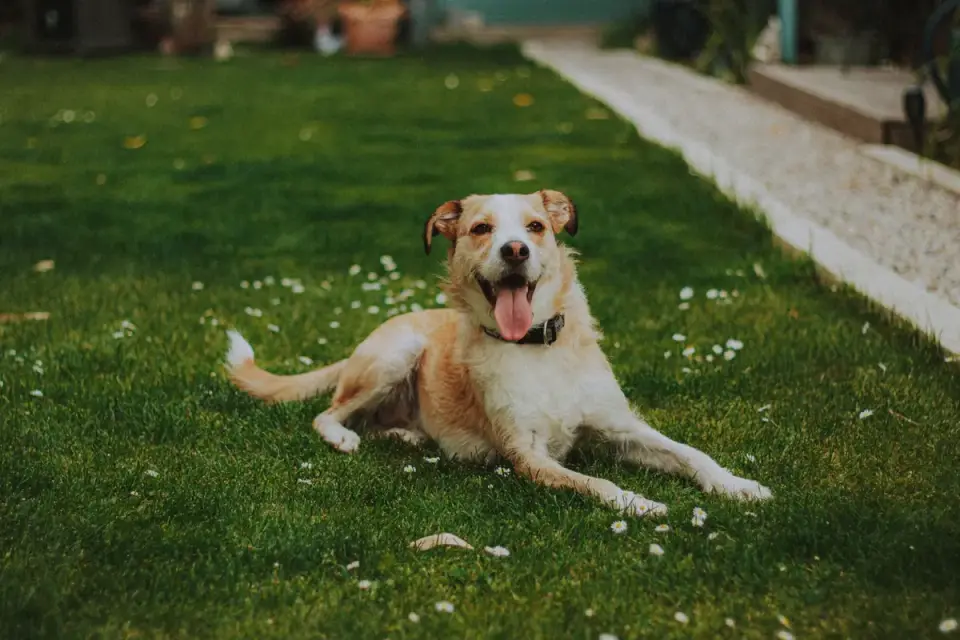
A three-year-old, 45-pound border collie mix shows the tradeoff side. She started limping after weekend fetch, so her owner rested her completely for 10 days — no walks, only crate and yard potties. The limp faded for three mornings, then returned worse on day 11 when she sprinted after only two short leash walks that week. Total rest had deconditioned the triceps and shoulder stabilizers that normally help the elbow track, so the first hard load overwhelmed them. What helped was not more rest or more fetch, but measured reloading: four 10-minute sniff walks daily on grass, no ball throws, body-weight assessment, and a recheck when the head bob persisted.
That pattern is common. Elbows dislike both pounding and prolonged stillness.
Where owners get into trouble
Prioritize these in order. Keep weight lean. Build symmetrical muscle with controlled walking, hills, and footing work before adding speed or jumping. Fix the environment first: rugs on slick floors, ramp for the car, traction for the two steps to the yard. Use supplements only as support for that foundation, not a substitute.
Evidence here is uneven. For general joint support, ingredients like glucosamine, chondroitin, and omega-rich mussel are widely studied for structure-and-function support (Journal of Veterinary Medical Science, Frontiers in Veterinary Science, Nutrients), but they do not reshape an incongruent elbow. If you are comparing labels, run them through the same lens I use in The Best Joint Supplement for Dogs: What Holds Up to an Orthopedic Read and the label checklist in Dog Joint-Support Supplement Label Disclosure Checklist. For questions about joint-fluid support specifically, see Does Hyaluronic Acid Actually Work for Dog Joints? What the Research Shows.
Watch for red flags that need a prompt exam: non-weight-bearing lameness, swelling that does not resolve in 24-48 hours, crying on manipulation, or a puppy with persistent forelimb lameness at 5-10 months.
An eight-month-old intact male Bernese mountain dog makes the exception concrete. He had shown a stiff, short-stepping trot since six months of age, worse after a 0.5-mile walk and better after warming up. His owner wanted to double his exercise to build muscle and add stairs for strength. That usual adult advice had to bend. For a growing giant breed with possible developmental disease, more pounding risks more cartilage injury. What he did differently: stop stairs and rough play, keep to three 5-minute leash walks on soft ground, keep weight lean through measured meals, film a 30-second trot video, and book an orthopedic exam with radiographs that week instead of pushing through.
The lesson holds across ages: match load to structure.
Keep a simple log for two weeks — morning stiffness in minutes, walk distance, surface, and any head bob — and bring it to your veterinarian. That record, plus lean weight and balanced movement, does more for elbows than any single product promise.
Frequently asked questions
Why does my dog limp more after resting?
Stiffness after rest followed by warm-up improvement is common with elbow irritation because joint fluid thickens during rest and thins with gentle movement. Track morning stiffness in minutes and ask your veterinarian if it persists beyond a few days.
Does my dog's elbow carry more weight than the hip?
Yes in relative terms — the two front legs together carry about 60% of standing weight, so each elbow sees more sustained load than each hip. That is why forelimb lameness often shows as a head bob.
Can exercise help an achy elbow?
Controlled, symmetrical exercise may help support surrounding muscle that stabilizes the joint, while sprinting, jumping, and slick-floor scrambling increase shear. Keep walks short, level, and on traction until your veterinarian advises otherwise.
Sources
- A review of the clinical efficacy and adverse effects of disease modifying osteoarthritic drugs (DMOADs) in dogs with special focus on glucosamine and pentosan polysulfate; do they work? — Journal of Veterinary Medical Science
- Protective effects of turmerosaccharides rich extract of Curcuma longa L. in osteoarthritic dogs — Frontiers in Veterinary Science
- Therapeutic Effect and Underlying Mechanism of Blue Mussel (Mytilus galloprovincialis) Oil on Adjuvant-Induced Rheumatoid Arthritis in Rats — Nutrients