How to Prepare Your Dog for a Busy Boardwalk
A preventive vet explains how to prepare a dog for a busy boardwalk — heat, paws, crowds, and joint strain.
A boardwalk asks more of a dog than it looks like — hot boards, tight crowds, and miles of stop-and-go walking — so a little joint and heat planning goes a long way.
On this page
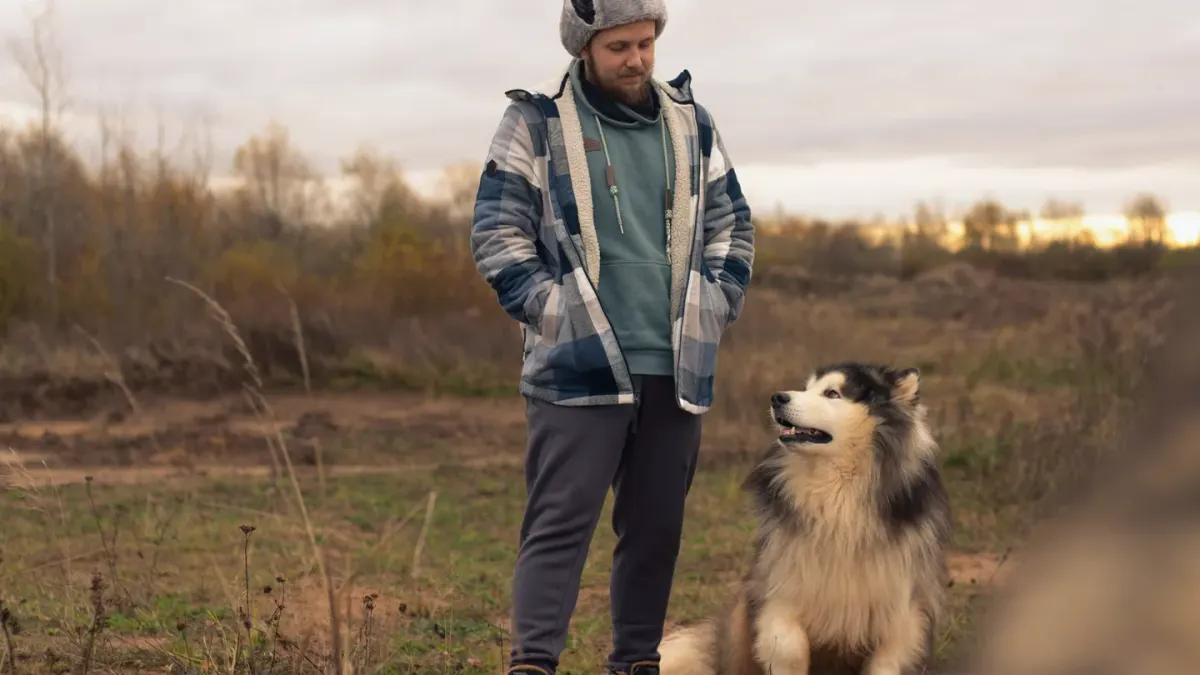
William planned a Saturday loop with Bridgette, his 2-year-old spayed Akita, along a San Jose-area boardwalk — about two miles round-trip with fries, bikes, and off-leash pigeons factored in. She was fit and friendly, but she had never walked a long stretch of narrow boards shoulder-to-shoulder with strangers and skateboards. That gap between fitness and readiness is where boardwalk trips usually succeed or unravel.
My expectation first: treat a boardwalk like sustained, low-intensity exercise in a hot, distracting environment, not a casual stroll. If your dog can walk calmly on a loose leash for 45 to 60 minutes on pavement, take brief rest breaks, and settle on cue around food and other dogs, you are ready to plan. If not, shorten the route and build those skills first.
Set the baseline before you go
Start with distance, surfaces, and manners. Boardwalks combine three stressors at once: duration, heat radiating off wood or concrete, and constant social pressure.
Walk your normal route and note where your dog starts to lag, pant heavily, pull toward people, or refuse to settle. For many young, healthy dogs that point arrives around 30 to 40 minutes in warm weather. For seniors or dogs with known stiffness, it can be much sooner.
That baseline matters for joints too. Repetitive stop-start walking, ramps, stairs to the beach, and slipping on smooth or wet boards increase load on hips, knees, and toes. Vets often see Monday lameness after a weekend outing that was twice the dog’s usual distance. Keep the first boardwalk to a distance your dog already handles comfortably at home.
If you are also packing the car for the day, the same low-stress handling ideas in Best Dog Car Travel Gear: A Brand-Neutral Buyer’s Guide help for the ride there — secure restraint, water, and a familiar mat for rest breaks.
Heat and paws decide the schedule
This is where the evidence is strongest, and where I am least flexible. Dogs cool inefficiently, and heat illness can progress quickly once panting and drooling no longer keep up.
The American Veterinary Medical Association advises owners to watch for heavy panting, glazed eyes, rapid pulse, and stumbling on hot days, and to move dogs to shade and cool water early rather than waiting to see if they improve. That matches what the American Kennel Club describes for heatstroke in dogs — excessive panting, thick drool, vomiting, and collapse as emergency signs that need prompt veterinary care.
Translate that to boardwalk planning:
Go early, test the boards, bring your own water
- Walk before 10 a.m. or after late afternoon when possible. Midday sun on dark boards can burn pads even when air temperature feels moderate.
- Press the back of your hand to the boards for seven seconds. If it is uncomfortable for you, it is too hot for bare paws.
- Carry water and a collapsible bowl. Do not rely on fountains or vendors, and discourage drinking from puddles or runoff between stalls.
- Offer small drinks every 15 to 20 minutes rather than one large gulp at the end.
Salt, dropped food, sunscreen residue, and splintered wood are additional paw and stomach hazards. A quick paw check at each bench — between the toes, not just the pads — catches splinters and hot spots early.

Dry sand and saltwater add a related set of risks if your boardwalk connects to a beach. I walk through that crossover in Beach Trips With Your Dog: Safety and Etiquette, including why drinking seawater and overheating end more outings than owners expect.
Crowds are a training problem, not just a leash problem
A busy boardwalk is narrow, loud, and full of food at nose height. Dogs that are polite in a park often struggle here.
Practice three behaviors before you go: loose-leash walking past food without lunging, a U-turn cue to exit a tight cluster, and a settle on a mat for two to three minutes while people pass. Keep the leash at six feet or shorter and leave retractable leashes at home — they create trip hazards and give you no control around bikes and strollers.
Expectation matters here too. Even well-trained dogs fatigue mentally after 20 to 30 minutes of dense crowds. Plan a quiet exit every half-mile: a side street, a bench set back from traffic, or a patch of grass where your dog can sniff and decompress for five minutes.
This is also a leash-law environment. The National Park Service notes that where pets are allowed on federal lands they must stay leashed and under control, and most municipal boardwalks are stricter — leashes required, often with length limits and designated dog hours. Check your specific boardwalk rules the night before, not in the parking lot.
Protect joints on boards, ramps, and stairs
Here the evidence is thinner and mixed, so I stay in structure/function language.
Long boardwalk miles may help support general mobility through regular, moderate movement, but steep ramps, stairs, and slick sections concentrate force on joints and nails. Dogs with osteoarthritis, prior cruciate injury, or short, heavy builds feel that first.
What I recommend is mechanical, not medical:
Keep a steady pace rather than sprint-stop-sprint. Lift or guide small and stiff dogs on stairs instead of letting thembound. Avoid fetch or sudden chasing on boards. Bring a non-slip mat for rest stops so your dog does not have to splay on smooth wood. If your dog takes a joint supplement with ingredients like glucosamine, chondroitin, omega-3s, or green-lipped mussel, consistency over weeks matters more than a double dose the morning of — these ingredients may help support normal joint structure, they do not prevent soreness from overdoing it.
One short paragraph to carry with you.
If Bridgette starts to lag, seek shade, pant longer than ten minutes after rest, or show a shortened stride behind, the outing is over — treats and pride aside.
Pack like a preventive visit
Keep it light but complete: flat collar with ID plus a well-fitted harness, six-foot leash, water and bowl, high-value treats, poop bags, a towel for wet or sandy feet, paw balm if your dog tolerates it, and any medications your dog takes. Skip booties unless your dog has already worn them happily for full walks; new booties on a crowded boardwalk create more slipping and stress than they prevent.
Shelly’s trip with Minerva, her 6-year-old Cocker Spaniel from Anchorage, is a useful contrast. Minerva was polite but out of walking shape after winter, so Shelly chose a weekday morning, walked three-quarters of a mile out, rested ten minutes in shade with water, and turned back before Minerva started to drag. Total moving time was under an hour. No limping the next day, which was the real win.
Leave the boardwalk while it is still fun. A shorter loop with a calm exit teaches your dog that busy places are manageable. That lesson pays off far longer than one extra mile.
For related context, read Airline Pet Policies: What to Check Before You Book.
For related context, read Airport Pet Relief Areas: How They Work.
Frequently asked questions
How long should a first boardwalk walk be?
Keep it to a distance your dog already walks comfortably at home, often 30 to 45 minutes with rest and water breaks. End while your dog is still moving well.
Are boardwalks bad for dogs with arthritis?
Not automatically, but distance, stairs, ramps, and slippery boards can aggravate stiffness. Go at off-peak hours, keep the pace steady, rest often on a non-slip surface, and cut the walk short if stride shortens or panting lingers.
What time of day is safest for a boardwalk with a dog?
Early morning or late afternoon. Test boards with the back of your hand for seven seconds and bring your own water regardless of forecast.
Sources
- Warm-Weather Pet Safety — American Veterinary Medical Association
- Heatstroke in Dogs — American Kennel Club
- Pets — National Park Service