Vanilla Ice Cream Can Upset Lactose-Sensitive Dogs
Plain vanilla ice cream is rarely toxic, but lactose and sugar often cause gas and diarrhea in adult dogs. Learn what matters and safer cool treats.
A small lick of plain vanilla ice cream is rarely an emergency, but for many adult dogs the lactose and sugar can mean gas and loose stool within hours.
On this page
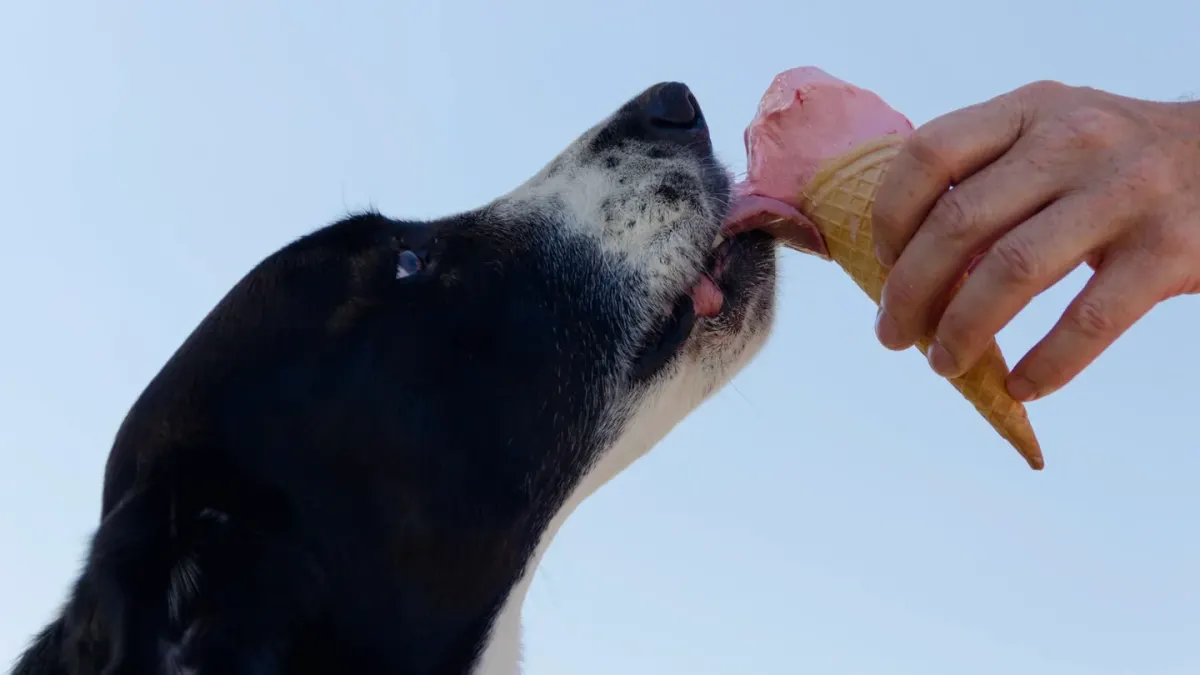
A small lick of plain vanilla ice cream is rarely an emergency, yet for many adult dogs that creamy spoonful may help support nothing and unsettle the gut instead, with gas, soft stool or vomiting tracing back to lactose and sugar rather than true vanilla flavor.
Karl noticed it with Nikka, his 10-year-old spayed Bull Terrier mix in San Buenaventura, when a few tablespoons shared on a warm evening were followed by restless pacing and loose stool overnight, a pattern that points less to vanilla bean and more to how the adult canine gut handles milk sugar.
Why Lactose Does Most Of The Work
Puppies make abundant lactase to digest maternal milk, and production naturally falls after weaning in many mammals, leaving undigested lactose to draw water into the bowel and ferment in the colon. The National Institute of Diabetes and Digestive and Kidney Diseases describes that same lactase decline and fermentation pattern as the driver of bloating, gas and diarrhea in people with lactose malabsorption, and dogs follow a broadly similar whole-patient logic even though the clinical data in dogs are more observational than experimental.
From both western physiology and Traditional Chinese Veterinary Medicine pattern-thinking, this looks like a Spleen-Stomach dampness picture, where rich, sweet and cold dairy weakens center Qi and creates loose stool and heaviness. Vanilla itself, derived from cured orchid pods rich in vanillin, enters that picture as a warming aromatic in tiny culinary amounts rather than a toxin, so the plant outward story stays gentle while the milk-sugar load stays central.
What A Scoop Actually Contains
Standard vanilla ice cream layers milk, cream, sugar and egg yolk with vanilla extract, stabilizers and sometimes onion-free but still relevant flavorings, which means fat plus 12 to 20 grams of sugar per half cup alongside lactose.
Two label checks matter more than the word vanilla. The U.S. Food and Drug Administration warns that xylitol, now also labeled as birch sugar, can trigger rapid insulin release and liver injury in dogs even in small amounts, so any light, sugar-free or keto vanilla product deserves a full ingredient read. Chocolate ripple, coffee, macadamia, raisin or high-cocoa mix-ins bring their own risks, which the American Society for the Prevention of Cruelty to Animals lists among people foods to keep away from pets.

When To Watch And When To Call
Call a veterinarian promptly for repeated vomiting, bloody diarrhea, marked lethargy, abdominal pain and swelling, or any ingestion of xylitol-sweetened, chocolate-laden or coffee-flavored ice cream, and save the carton for the ingredient list.
Dogs with known milk sensitivity, chronic enteropathy, pancreatitis history, diabetes or obesity merit stricter avoidance, since fat and sugar may help support neither steady glucose nor a calm pancreas. Puppies and seniors also tend toward less reserve, so what looks like a festive bite can weigh heavier on the whole patient than the calendar suggests.
Cooler Choices That Sit Easier
Pumpkin fiber is a gentle, natural source of both soluble and insoluble fiber, and that steady fiber matrix may help support normal stool form when used in small food-first amounts.
Keep portions tiny, introduce any new treat singly, and watch stool and comfort for 12 to 24 hours before repeating, a layered approach that weaves western nutrition reasoning with Chinese herbal attention to digestibility and temperature. For Macie-type large seniors or any dog managing joint stiffness in heat, cool rest, shade and water matter far more than dessert.
For related context, read Why Changing Food Too Often Backfires.
For related context, read Adding Pumpkin to Your Dog’s Meals: How Much Actually Helps Digestion.
Frequently asked questions
Will a tiny lick of vanilla ice cream poison my dog?
A single lick of plain vanilla ice cream without xylitol, chocolate, coffee, macadamia nuts or raisins is unlikely to poison a healthy adult dog, but lactose and sugar can still cause gas or loose stool in sensitive dogs.
Is vanilla extract itself toxic to dogs?
Culinary amounts of vanilla flavor baked or churned into plain ice cream are not considered a primary toxin concern. The greater concerns are lactose, fat, sugar and any toxic sweeteners or mix-ins.
What signs should I watch for after ice cream?
Watch for gas, soft stool, vomiting, belly gurgling or loss of appetite within 6 to 12 hours. Seek prompt care for repeated vomiting, bloody stool, pain, swelling, collapse or known xylitol ingestion.