What Canine Rehab Involves for Stiff, Achy Joints
A rehab-framed guide to canine physical rehabilitation for joint pain — assessment, gentle movement, manual and TCVM modalities, and home setup.
Gentle, graded movement — not total rest — is what helps maintain comfort and mobility in a stiff dog.
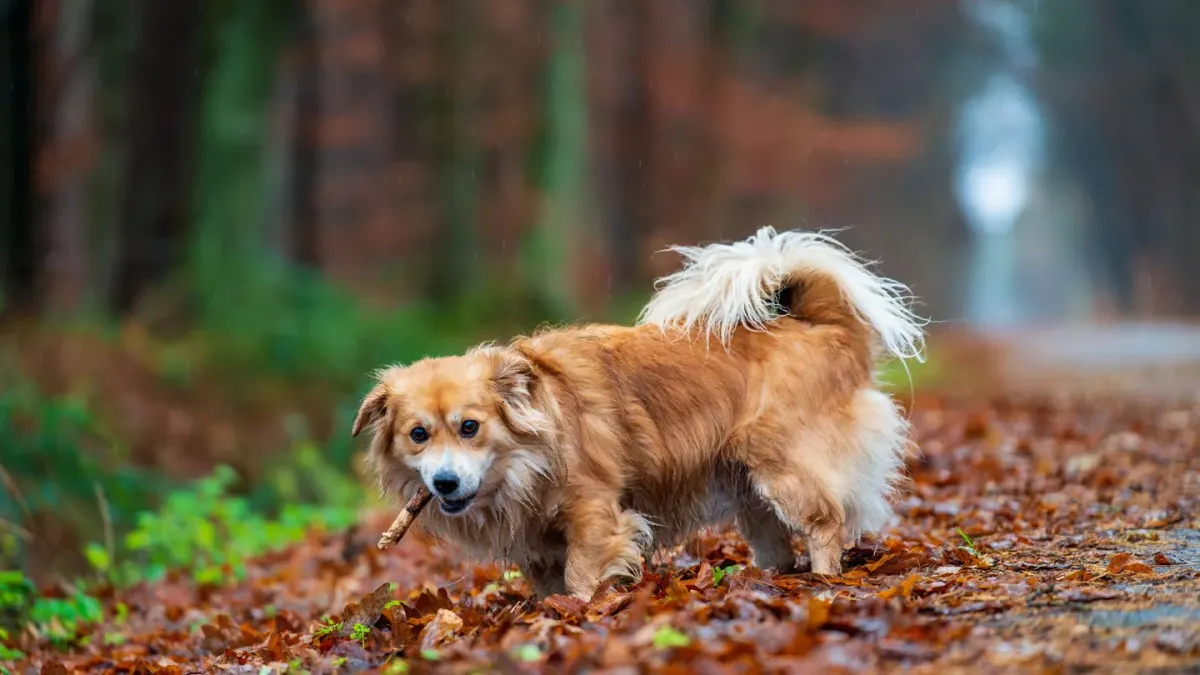
The kitchen tile tells the story first. A 12-year-old, 68-pound Shepherd mix wakes from a nap, pushes to stand, and needs three tries before her hind legs agree to hold her. Her owner watches the hesitation at the doorway rug, the wide turn to avoid the stairs, the way she lies down hard on one hip. The question is not whether she hurts — it is what to do on a Tuesday morning that helps maintain comfort without pushing her into a setback, and whether rehab is just treadmill walking or something more structured.
My verdict is direct: start with a hands-on rehab assessment, then commit to short, frequent bouts of gentle movement that support joint range, muscle tone, and daily function. That pattern helps maintain mobility better than rest alone or sporadic long walks. The strongest counterargument is real — that a sore dog should rest until pain passes — and for an acute flare, fracture, or post-surgical window, rest is correct. For chronic joint stiffness, though, prolonged stillness tends to tighten soft tissue and shrink stamina, which is why I still land on measured motion first.
Get a movement baseline before you add exercise
Book an exam that watches the dog move. Ask for gait observation, joint palpation, muscle symmetry, pain scoring, and neurologic screening. Bring video of rising, stairs, and turning on slick floors.
Do this at home this week. Time one rise from a bed. Count stairs attempted without stopping. Note which leg she unloads when standing. Measure thigh circumference if your clinician shows you landmarks. Re-check every two weeks.
Stillness stiffens.
Rehab clinicians use that baseline to grade load. Low-grade osteoarthritis with muscle loss gets a different plan than instability, severe atrophy, or nerve-related weakness. That triage keeps expectations realistic and helps maintain safety as work progresses.
For context on supportive nutrition alongside rehab, owners often compare joint ingredients while movement work begins. Evidence summaries note that Frontiers in Veterinary Science reported chondroitin “supports healthy synovial fluid homeostasis,” and that Journal of Veterinary Medical Science found glucosamine “prevent experimentally induced cartilage degradation in vitro.” Those are structure/function findings, not pain treatments, which is why I treat supplements as background support while movement does the daily work. Our related read on Fish Oil vs. Glucosamine for Dog Joint Health: What the Evidence Actually Supports breaks down where those ingredients diverge.
Build the week around short, frequent motion
Think in minutes, not miles. Walk on level, grippy ground. Warm up two minutes at a stroll. Work five to ten minutes. Cool down and rest. Repeat twice daily if soreness stays flat the next morning.
Add one skill at a time. Weight shifting on a mat. Slow curb-step or single-stair practice. Sit-to-stand for hind-limb strength, three to five repetitions only. Cavaletti poles set at wrist height for rhythm and joint excursion.
Stop the set when form fades. Panting that does not settle, lagging, head bob, or a wider hind stance means you overshot. Log it and shorten the next bout by one-third.
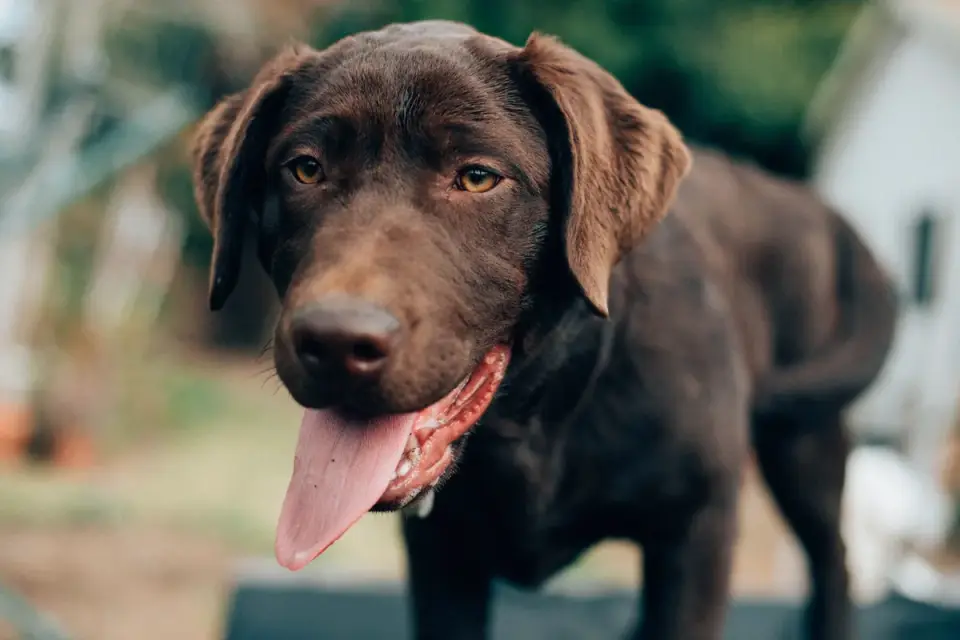
A 9-year-old, 54-pound Lab mix shows why shorter wins. His owner had been saving exercise for one big Saturday loop, then watching him limp Sunday and rest until Wednesday. By day 10 on a rehab reset — two eight-minute leash walks daily, three sit-to-stands every other day, and a hallway rug runner to stop splaying — his morning rise looked smoother and his evening pacing eased. The failed approach was not lack of effort; it was dose. One long bout overloaded tissue, then forced inactivity erased the gain. Smaller, steadier input helped maintain rhythm without the crash, though stairs still required a harness assist and bad-weather days still set him back.
Water work, when available, unloads weight while letting muscles fire. An underwater treadmill lets the clinician set height, speed, and time precisely. Swimming fits some dogs but turns are hard to control and form varies, so I prefer it only with supervision and a clear stop rule.
What hands-on care and TCVM modalities add
Manual therapy addresses the tissue around the joint. Expect gentle joint mobilizations within comfortable range, soft-tissue release for tight hip flexors or hamstrings, and spinal assessment when gait looks guarded. A chiropractic-style adjustment, when indicated, aims to restore segmental motion — not to “fix” arthritis.
Ask what changed after touch. Did stride length even out. Did the dog lie squarely instead of slouching to one side. Did rising take less coaxing. Small shifts guide the next session.
Other tools have thinner or mixed evidence in dogs, so use them as adjuncts, not anchors. Laser and therapeutic ultrasound are studied for soft-tissue comfort and range support with variable protocols. Electrical stimulation may help support muscle activation when atrophy is marked. Acupuncture and related TCVM approaches are commonly used in rehab practice to support comfort and mobility, with response varying by dog. Keep the plan honest: if two to three sessions bring no change in function, revise the plan.
Learn label basics alongside rehab so support products do not distract from movement work in our Dog Hip and Joint Supplement: What Actually Matters Before You Buy One and Dog Joint-Support Supplement Label Disclosure Checklist.
Set up the house so gains stick
Lay traction first. Runners on tile, a mat at the food bowl, a ramp with side rails for the car. Raise bowls slightly if neck or shoulder stiffness shortens reach. Move the bed to the warmest draft-free corner and add a firm orthopedic pad that does not trap the dog in a hollow.
Trim nails short. Clip foot fur. Keep weight lean — every extra pound loads sore joints on every step. Track body condition with your vet, not the scale alone.
Research on marine lipids is early and largely preclinical, but worth naming accurately: Nutrients reported that “BMO, GMO, and KO all alleviated paw swelling in rats and reduced serum levels of rheumatoid factor (RF), anti-cyclic citrullinated peptide (anti-CCP) antibody, and pro-inflammatory cytokines such as TNF-α and IL-17.” That does not translate directly to dogs climbing stairs, which is why diet tweaks stay secondary to traction, weight, and graded walks.
Quality and safety basics matter if you add any oral support. The National Animal Supplement Council outlines quality benchmarks for animal supplements, and the National Institutes of Health Office of Dietary Supplements reviews glucosamine and chondroitin evidence in people with careful limits — useful context for keeping expectations realistic across species. For deeper ingredient context see Does Hyaluronic Acid Actually Work for Dog Joints? What the Research Shows.
A 7-year-old, 41-pound border collie mix complicates the standard plan in a useful way. She did not have classic hip stiffness; three weeks in, her rehab therapist noticed toe scuffing on the right hind and a delayed paw flip on exam, which pointed toward a neurologic component rather than simple joint pain. High-repetition sit-to-stands made her worse by day 10, while slow, guided walks with frequent balance pauses helped maintain steadier foot placement. The edge case changed the prescription: less strengthening, more proprioceptive work, boots for drag protection, and a neurology referral before any treadmill progression. Joint rehab still helped, but only after the team stopped treating every limp as arthritis.
Looking forward, keep the loop simple: assess, move a little often, support tissue by hand when needed, and shape the home so the dog practices good motion all day. That steady pattern helps maintain comfort and mobility without promising what rehab cannot deliver.
Frequently asked questions
How often should a stiff dog do rehab exercises at home?
Most dogs do best with short daily bouts — often 5 to 10 minutes once or twice per day — rather than one long weekly session. Stop when form fades and check next-morning soreness before progressing.
Is rest or walking better for canine joint pain?
Brief rest helps during an acute flare, but prolonged rest tends to stiffen joints and weaken muscle. Graded, low-impact movement with traction and weight control helps maintain mobility in chronic stiffness.
When should I call the vet during rehab?
Call for sudden non-weight-bearing lameness, rapidly worsening swelling, toe dragging or knuckling, loss of bladder control, or soreness that lasts more than 24 hours after a session.
Sources
- Synovial homeostasis chondroitin study — Frontiers in Veterinary Science
- Glucosamine cartilage in vitro study — Journal of Veterinary Medical Science
- Marine oils inflammation rat model — Nutrients
- Glucosamine and chondroitin evidence review — National Institutes of Health Office of Dietary Supplements