Why Does Your Dog Follow You Into the Bathroom?
A veterinarian explains why dogs follow owners to the bathroom, what is normal, and when shadowing signals anxiety worth addressing.
If you shut the bathroom door, most dogs treat it like a change in the routine they were hired to supervise.
On this page
You head for the bathroom in the morning and you hear it — nails on tile, right behind you. You turn, and there is your dog, settled on the bath mat like this was always the plan.
Here is my verdict for most households: bathroom following is normal social behavior, not disobedience. Dogs are companion animals bred to stay close, watch routine changes, and check in. You do not need to fix togetherness itself. You need to teach that brief separation is safe and boring.
For a concrete picture, take Nellie, a 4-year-old spayed female Labradoodle living with her owner Meghan in Carlsbad, California. Nellie started waiting outside every bathroom trip and whining if the door latched. Meghan began practicing two-minute alone reps behind a baby gate while she brushed her teeth, and counted quiet settles on a mat. Within about three weeks of short daily reps, Nellie would lie down for a full two minutes without vocalizing. That pattern — close bond plus low practice with alone time — is what vets often see.
What to expect before you change anything
Expect closeness first, and independence second. Most adult dogs will choose to stay near their person if given a choice, especially in the morning and evening when the house routine is active.
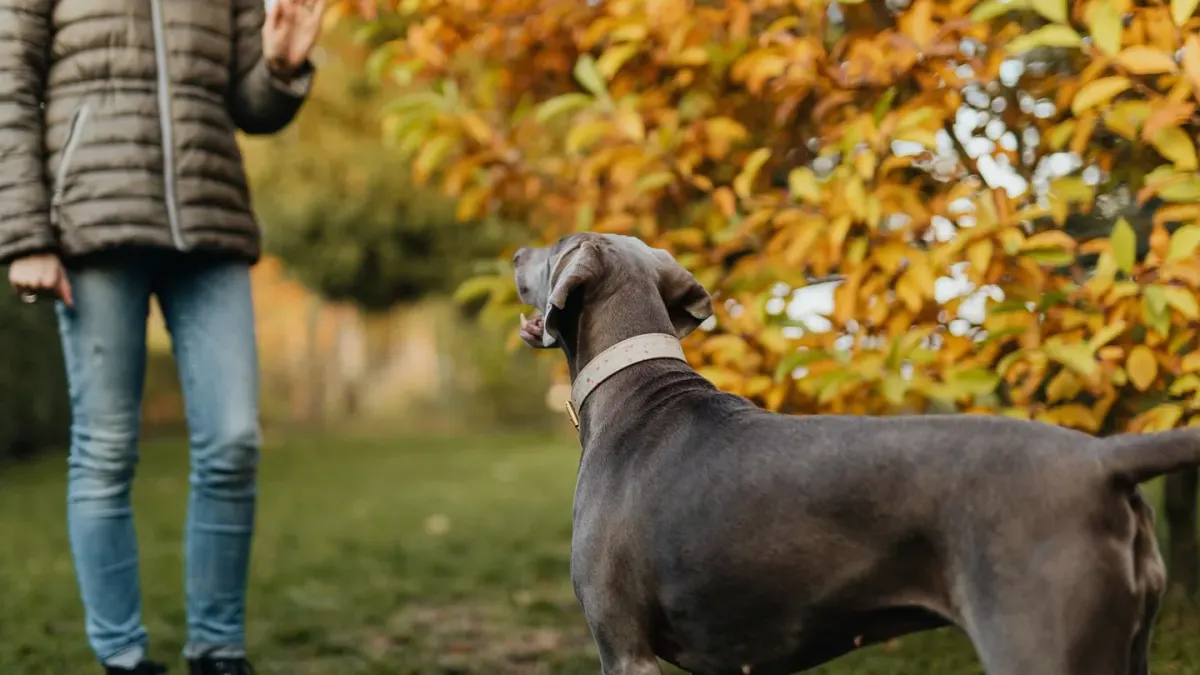
My recommendation is simple: reward calm waiting rather than pushing your dog away. Place a mat a few feet from the bathroom door, ask for a sit or down, and pay for stillness with quiet praise or a small treat. You are not teaching rejection. You are teaching that waiting pays.
A skeptical friend might ask, “Aren’t you just rewarding neediness?” You are not, as long as you reward settled behavior and not whining, pawing, or barking. Waiting for quiet, then marking it, builds the baseline you want — a dog who can be near you without needing to be on top of you.

Why the small room matters so much to dogs
Your bathroom routine looks interesting through dog eyes. You break from whatever you were doing, walk a fixed path, close a door, and disappear with new sounds and smells. For a social animal, that is worth checking.
A few drivers overlap:
Companionship and habit drive most of it. Dogs follow because following has always worked. You go, they go, nothing bad happens, and sometimes attention happens.
Supervision is part of the package. Many dogs station themselves where they can see you. The small space, your stillness, and eye contact can feel like an invitation to stay close.
Routine sensitivity matters too. Dogs learn sequences fast. Feet on the hallway floor in the morning can cue movement before you have reached for the handle.
Smell and curiosity play a smaller role. Bathrooms carry strong odors, dripping water, and paper to shred. Curious adolescents may nose in for that reason alone.
It is also social warmth. Tile cools in summer and a bath mat holds your scent. You will notice this more in Velcro-type adolescents and in newly adopted dogs still mapping the house.
If you are sorting out nearby behaviors on walks and at doors, these explainers help for comparison: Boredom vs Separation Anxiety: How to Tell the Difference and Barrier Frustration vs Aggression: What’s the Difference in Dogs on Leash?
When shadowing points to something more
Closeness alone is not a diagnosis. Look at the whole pattern.
Comfortable shadowing looks loose. Soft body, easy breathing, willing to take a treat, able to settle on a bed when asked. Your dog may follow you in, circle once, and lie down.
Anxiety-linked following looks tighter. Pacing between rooms, panting when nothing is hot, vocalizing at closed doors, trouble settling even when you are home. Destruction tends to focus on exits and owner-scent items. You will often see the same restlessness when you pick up keys or step onto the porch.
The ASPCA notes that behaviors such as vocalizing, destructive behavior, and house soiling tied to owner departure can signal separation anxiety rather than ordinary boredom. VCA Hospitals describes a similar departure-linked pattern and stresses ruling out medical and housetraining factors before labeling it anxiety.
That distinction changes your next step. If bathroom trips are the only trigger and your dog is otherwise relaxed home alone, focus on manners and management. If you see panic at any departure, camera footage of pacing or drooling when alone, or injury from trying to get out, call your veterinarian. Pain, cognitive change in seniors, and urinary issues can also increase clinginess, so a checkup comes before any training plan.
Related chewing can help you read the motive. Is My Dog Chewing Out of Boredom or Anxiety? walks through location, timing, and intensity cues I use in preventive visits.
What builds a dog who can wait
Keep it preventive. Short, predictable reps beat long tests.
Start with distance, not the door. Reward a down on a hallway rug while you step two feet away and return. Build to turning your back, then stepping around the corner, then briefly touching the bathroom handle.
Then add the door in slices. Close it for three seconds, open before any whine, and pay for quiet. Stretch to ten seconds, then thirty. End while your dog is still calm.
Keep departures dull. No big goodbye, no big hello. Leave a stuffed Kong or snuffle mat for the two minutes you are out of sight, then pick it up when you return so alone time predicts good things.
Practice when you do not need to go. Reps tied only to real bathroom trips move too fast. Two or three planned reps a day, about two minutes each, teach faster than one stressed real-life test.
Skip punishment for whining at the door. It raises arousal and can make closed doors scarier. If your dog is already vocal, you moved too fast. Shorten the rep and try again.
Adolescents and new rescues often need management while they learn. A baby gate keeps tile and trash safe without isolation. A tired dog also waits better, so keep daily walks and sniff time steady rather than adding marathon sessions right before training.
Where do you draw the line between sweet and too much?
Frequently asked questions
Should I let my dog in the bathroom with me?
You can if you enjoy the company and your dog is calm. If you want privacy, teach a mat wait outside the door with short, rewarded reps instead of pushing or scolding.
Does bathroom following mean my dog has separation anxiety?
Not by itself. Most dogs follow out of habit and social closeness. Consider anxiety when you also see panic at departures, vocalizing when alone, exit-focused destruction, or inability to settle even when you are home.
How do I stop door scratching without making it worse?
Prevent rehearsal with a gate, shorten closed-door time to a few seconds, and reward quiet before opening. Build duration slowly and ask your veterinarian about next steps if scratching, drooling, or panic continues.
Sources
- Separation Anxiety in Dogs — ASPCA
- Separation Anxiety in Dogs — VCA Hospitals