How to Help When Your Dog Hides in Storms
Why storms send dogs under furniture and how to support safety, calm behavior, and long-term coping.
A dog that hides under furniture during storms is coping, not misbehaving, and safety comes first.
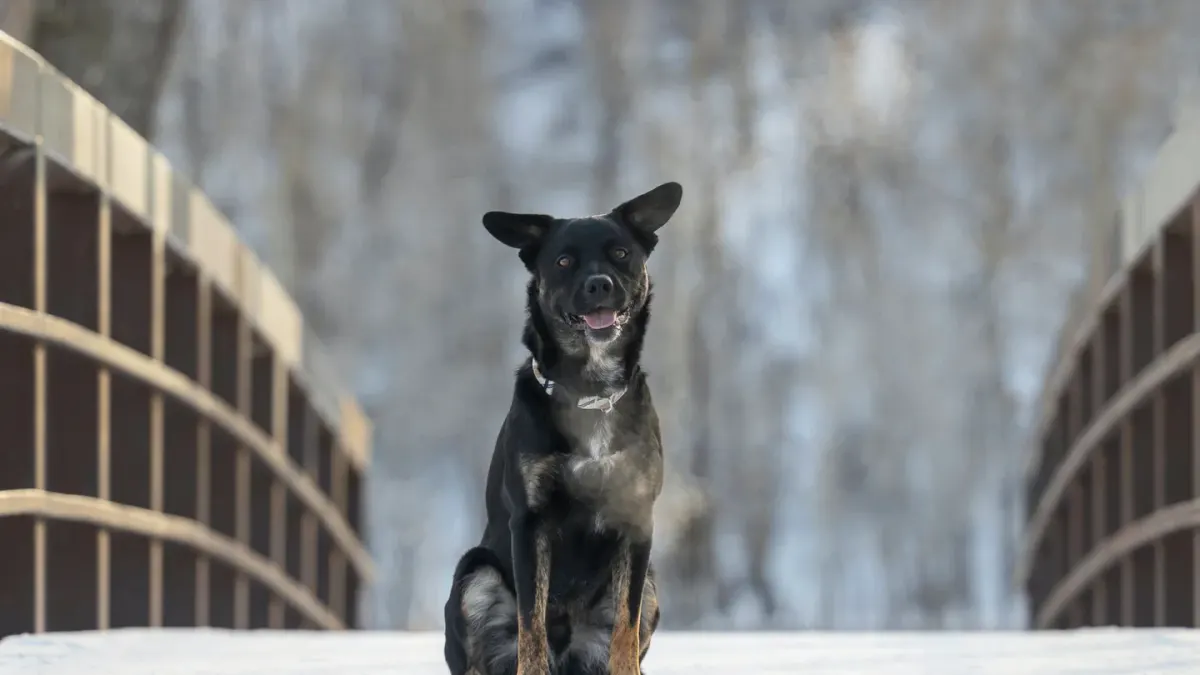
The sky darkens, thunder rolls in the distance, and Gidget, a 7-year-old spayed female Beagle, wedges herself tight under the coffee table in Costa Mesa and will not come out for 40 minutes.
That choice makes sense from her side of the couch. A dog that hides under furniture during storms is trying to make an overwhelming sensory event smaller, quieter, and more predictable.
My position is straightforward: let her hide, make the hiding place safer, and put your effort into gradual behavior work rather than into calming supplements alone. I would change that view if controlled trials in storm-phobic dogs showed a supplement or diet prevented panic on its own, but the current evidence does not.
What a storm feels like to a dog
Dogs hear higher frequencies than we do and startle more easily to sudden, low-frequency booms. Thunder is not one cue. Falling barometric pressure, wind noise, rain on windows, flashing light, static charge on the coat, and owner tension arrive together.
Hiding under furniture reduces several inputs at once. The overhang blocks light flashes, contact on three sides limits how much the dog must monitor, and a low, central location may feel less exposed and dampen vibration. In practice, Vets often see the same pattern described in PubMed in the review Canine anxieties and phobias: an update on separation anxiety and noise aversions: noise-averse dogs seek close confinement, tremble, pant, pace, drool, or try to escape.
Genetics and early experience raise the baseline. The population study Noise sensitivity in dogs summarized in Applied Animal Behaviour Science found fear of thunder clusters with fear of fireworks and gunshots, which points to a shared noise-sensitivity trait rather than stubbornness about one storm.
That is a short but important distinction.
Hiding is coping.
Why I do not drag her out
Forced removal usually raises heart rate, panting, and escape attempts without teaching anything useful. Low-stress handling applies at home too. Keep the baseline calm, keep handling minimal, and protect the airway, limbs, and teeth from tight gaps behind recliners and entertainment centers.
Set up one allowed den before storm season. A covered crate with the door open, a bathroom with a non-slip mat, or the same couch corner she already picks works. Add a familiar blanket, water nearby, and white noise or a closed curtain to blunt flashes. If she pants heavily, drools ropes, vomits, injures herself trying to get out, or stays distressed for hours after the sky clears, that is beyond mild fear and deserves a veterinary visit to rule out pain, thyroid disease, cognitive change, and other medical contributors.
This is also where owners confuse patterns. Storm hiding is not the same as destruction only when left alone, which points more toward separation issues. For that comparison, see Boredom vs Separation Anxiety: How to Tell the Difference and Is My Dog Chewing Out of Boredom or Anxiety?.
Where calming help fits, and where it thins
Pressure wraps, white noise, and staying with a calm owner may help support steadier behavior for some dogs, but responses vary and no wrap replaces a behavior plan. Herbal ingredients get outsized attention here.
Chamomile and Valerian Root have been used in traditional herbal care to support relaxation. L-theanine is an amino acid found in tea that has been studied for its calming properties. That language is intentionally modest. Reviews of related botanicals note limits well: “Apigenin exhibited a favorable safety profile across all included studies, even at high doses.” That finding, reported in the Iranian Journal of Pharmaceutical Research, is about safety across studies, not proof that apigenin stops storm panic in dogs.
My counseling order stays the same. Safe den first, predictable routine during storm season, then counter-conditioning to recorded storm sounds at low volume paired with food, kept well under threshold. For leash skills that carry over to that work, see Counter-Conditioning a Leash-Reactive Dog Step by Step.
Prescription situational medication helps some panic-level dogs when timed correctly, and that decision belongs with the examining veterinarian who knows the heart, liver, age, and other drugs involved.
A single bottom line guides the whole plan: protect the hide, lower the noise and light load, and train for the next storm when the sky is clear.
Frequently asked questions
Should I comfort a dog hiding under furniture during a storm?
Quiet company is fine. Sit nearby, speak little, offer a chew or mat in the chosen den, and avoid pulling her out or over-handling.
When is storm hiding an emergency?
Seek prompt care for escape injuries, vomiting or collapse, breathing difficulty, or panic lasting hours after the storm, and discuss a long-term fear plan.