Why Is My Senior Dog Losing Weight Even Though He's Eating Normally?
A veterinary surgeon explains why a senior dog losing weight while eating normally usually points to malabsorption, hypermetabolism, or muscle loss rather than appetite, and how vets sort out which.
When a senior dog is losing weight but still eating normally, the cause is rarely simple hunger.
On this page
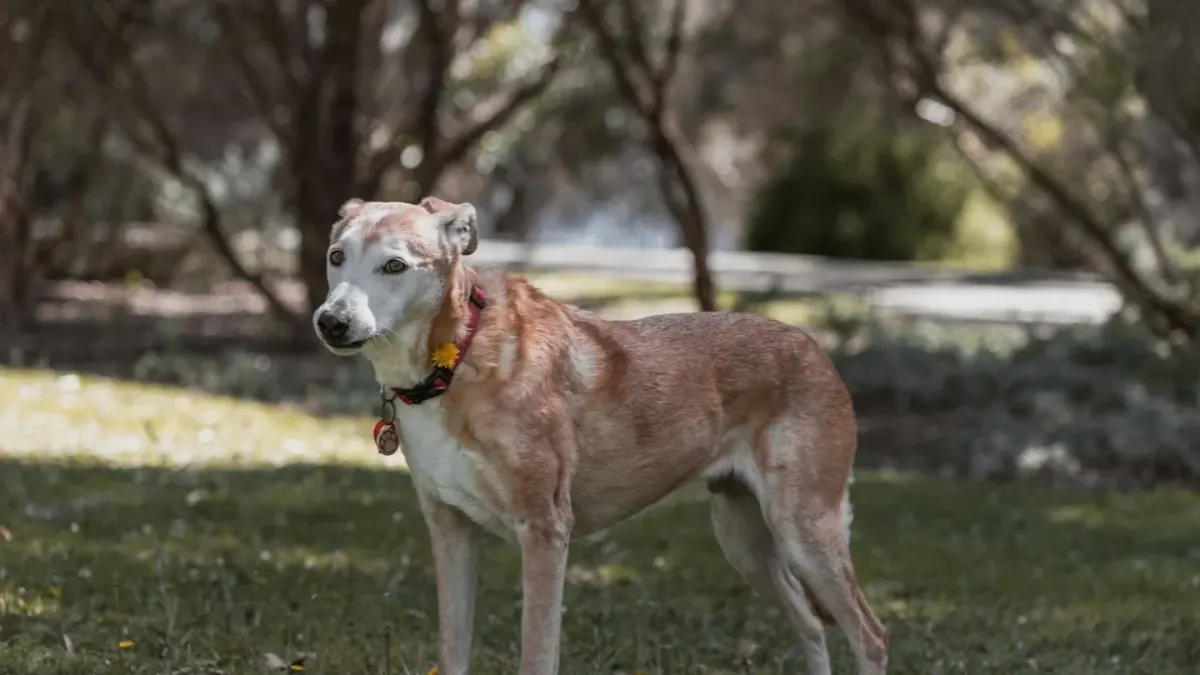
When a senior dog is losing weight but still eating normally, the cause is rarely simple hunger. It’s tempting to assume the food just isn’t enough anymore, but a dog cleaning the bowl every night and still dropping pounds is telling you something different: the calories going in aren’t matching the calories being used or absorbed. That gap is where the real diagnosis lives.
Two problems that look identical from the outside
Start by separating the two mechanisms, because they point down different diagnostic paths. The first is a malabsorption problem — food goes in, gets chewed and swallowed, but the gut can’t break it down or pull the nutrients across the intestinal wall. Exocrine pancreatic insufficiency is the classic example: the pancreas stops making enough digestive enzyme, so a dog can eat voraciously and still lose weight, often with large, greasy, foul-smelling stools alongside it. The second is a hypermetabolic problem — the body is burning through fuel faster than normal, so intake that used to be plenty no longer covers demand. Hyperthyroidism in Animals is far more common in cats than dogs, but in dogs the more common hypermetabolic drivers are cancer and chronic organ disease, where inflammation and disease activity quietly raise the body’s energy cost of just existing.
Mapping the common culprits
A handful of conditions account for most cases, and they don’t all present the same way. Chronic kidney disease is one of the more frequent findings in older dogs with unexplained weight loss, and per Merck Veterinary Manual’s Renal Dysfunction in Dogs and Cats, dogs in later stages of the disease are particularly prone to inappetence, weight loss, and outright cachexia — a distinct metabolic state, not just underfeeding. Diabetes tends to show a more recognizable pattern: weight loss paired with drinking and urinating more, sometimes with a ravenous appetite rather than a picky one. Dental disease is the most overlooked entry on this list — a dog in pain from a fractured or infected tooth may still approach the bowl and eat, just less thoroughly and less often than it looks like from across the room, and the discomfort itself raises energy expenditure. Cancer, particularly lymphoma, can drive weight loss through a mix of increased metabolic demand, intermittent appetite suppression, and organ involvement that isn’t always obvious on a physical exam.
Muscle loss deserves its own mention because it’s the piece owners miss most often. Sarcopenia — age-related muscle wasting — can make a dog look and weigh less even when body fat is essentially unchanged, and it accelerates when a dog is also dealing with arthritis or reduced activity, since disused muscle atrophies quickly. If your dog’s weight loss is tracking alongside stiffness, shorter walks, or reluctance on stairs, it’s worth reading through The Complete Guide to Dog Joint Health and Mobility — mobility loss and lean mass loss tend to reinforce each other in older dogs, and treating one without the other rarely fixes the underlying trend.
What a workup actually looks for
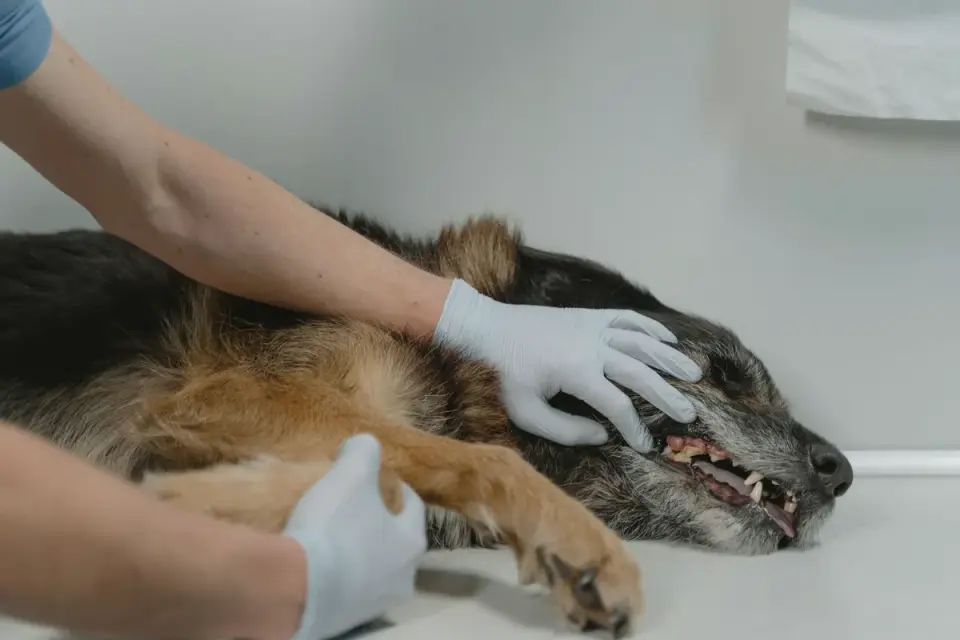
A vet chasing unexplained weight loss with normal appetite typically starts with the boring, high-yield tools before anything invasive: a full physical exam including a body and muscle condition score, bloodwork (chemistry panel, complete blood count, thyroid level), a urinalysis, and a fecal exam. The AAHA 2023 Senior Care Guidelines frame this well: senior weight and muscle changes can reflect normal aging processes like immunosenescence and inflammaging, or they can reflect an active disease process, and body/muscle condition scoring over time is what separates the two. That’s the reason a single weigh-in is a weak signal — a documented trend across two or three visits, ideally on the same scale, tells the real story. If the initial panel doesn’t explain the loss, imaging (abdominal ultrasound is common) and more targeted testing for pancreatic function or specific hormone levels usually follow.
Here’s a short version of what to bring to that appointment: a written weight history if you have one, a description of stool consistency and frequency, any change in water intake, and a plain answer to whether appetite has actually stayed the same or just seemed that way. Owners often say “eating fine” when what’s really happened is smaller bites, more sniffing before committing, or skipping the occasional meal — details that change the differential list.
When to call now, not later
Don’t wait out a weight trend that’s paired with vomiting, diarrhea, increased thirst, lethargy, or a palpable lump. Those combinations move a case from “monitor and recheck” to “see the vet this week.” If you’re also managing joint changes as part of the bigger mobility picture, the label-reading resources on this site — including How to Read a Dog Joint-Support Supplement Label and the Dog Joint-Support Supplement Label Disclosure Checklist — can help you evaluate whether a mobility product is actually dosed and documented the way it claims, since underdosed or unverified supplements won’t move the needle on muscle preservation or comfort.
The short version: normal eating and real weight loss aren’t contradictory, they’re a diagnostic clue. Don’t let “but he’s still eating” delay a workup — it’s often the detail that points a vet toward malabsorption, a metabolic disease, or muscle loss rather than a simple feeding problem.
Frequently asked questions
Is it normal for older dogs to lose a little weight?
Some decline in lean muscle mass is common with aging, but true weight loss on the scale — more than about 5% of body weight over a few months — isn't something to write off as normal. It deserves bloodwork and a body condition check.
Could my dog's food just not be enough calories anymore?
It's possible, but it's the least likely explanation if the diet hasn't changed and the dog was previously stable on it. Rule out disease first; adjusting calories is a reasonable second step once the workup comes back clean.
How fast should I get this checked out?
Don't wait more than a couple of weeks once you've confirmed the weight loss is real (not just a bad scale reading). If it's paired with vomiting, diarrhea, drinking more water, or lethargy, book sooner.
Sources
- Renal Dysfunction in Dogs and Cats — Merck Veterinary Manual
- Hyperthyroidism in Animals — Merck Veterinary Manual
- Disease Management: Nutritional — 2023 AAHA Senior Care Guidelines for Dogs and Cats — AAHA