Are Mushrooms Safe for Dogs? What Actually Determines the Risk
Most dogs can eat plain, cooked grocery-store mushrooms in small amounts, but wild mushrooms carry real, sometimes fatal risk. Here's how to tell the difference.
Dogs can eat certain mushrooms safely, but whether a mushroom is dangerous depends far more on where it came from than on the word "mushroom" itself.
On this page
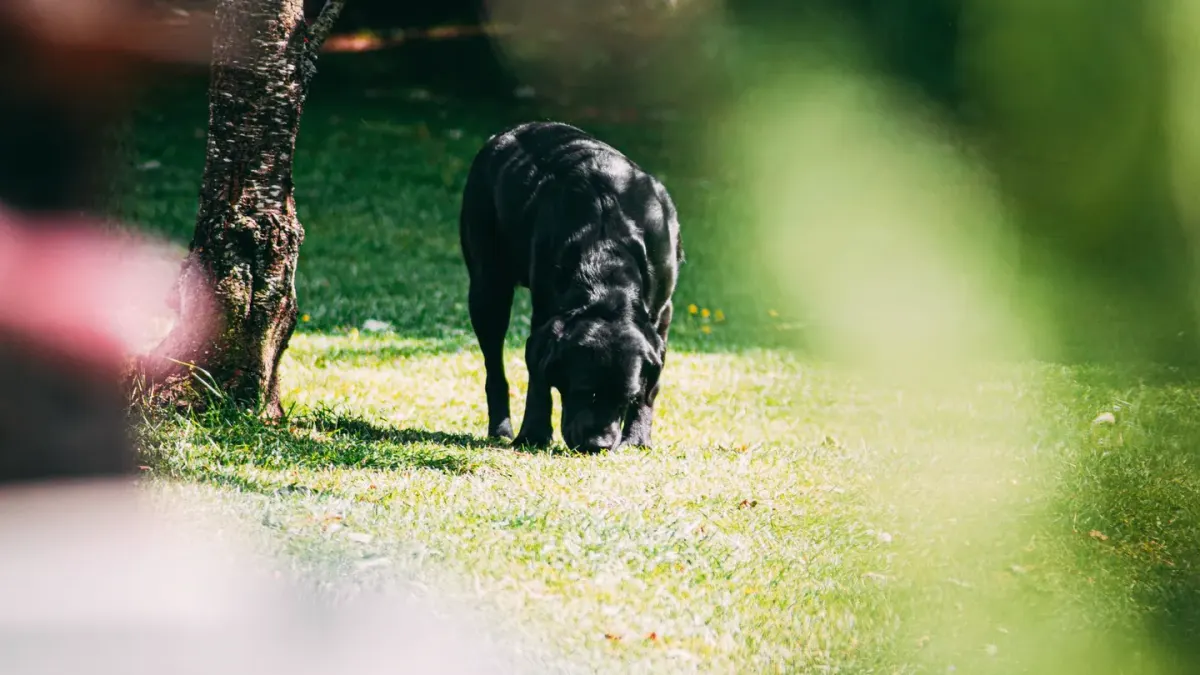
Picture a backyard the morning after a warm rain: a cluster of small, pale caps has pushed up through the mulch near the fence line, and a dog is nosing through them before anyone’s had coffee. That scene, multiplied across millions of yards every fall and spring, is the actual source of most mushroom scares in dogs — not the sliced portobello sitting on the kitchen counter. Owners often ask me whether “mushrooms” are safe for dogs as if it’s one ingredient with one answer. It isn’t. The word covers thousands of species with wildly different chemistry, and the honest answer depends almost entirely on where the mushroom came from.
What actually determines the risk
Before worrying about a specific cap in the yard, it helps to sort mushrooms by three criteria, in order of importance: source, identification, and preparation. Source comes first because it does most of the predictive work. A mushroom purchased for human food — white button, cremini, portobello, shiitake — has already been through a controlled agricultural supply chain that filters out the genuinely dangerous species. Identification matters next: for anything growing wild, unless you or a trained forager can name the exact species with confidence, it should be treated as unknown and therefore unsafe. Preparation is the smaller, third factor — plain and cooked reduces GI irritation and choking risk compared with raw, seasoned, or butter-sautéed mushrooms, but it doesn’t rescue a genuinely toxic species. Owners tend to reverse this order, worrying about how a mushroom is cooked when the more consequential question is simply where it grew.
According to the Not-So-Magic-Mushrooms: Tips to Keep Your Pets Safe: ASPCA, wild mushroom species such as Amanita phalloides, known as the death cap, can be extremely toxic and even fatal to dogs, with toxins capable of causing liver failure within roughly a day of ingestion and damage extending to the kidneys and intestinal tract as well. That single species accounts for a disproportionate share of serious canine mushroom poisonings in North America, which is one reason I’m far more relaxed about a sliced mushroom in a dog’s bowl than about an unidentified cap in the grass.
Store-bought versus wild: the comparison owners actually need
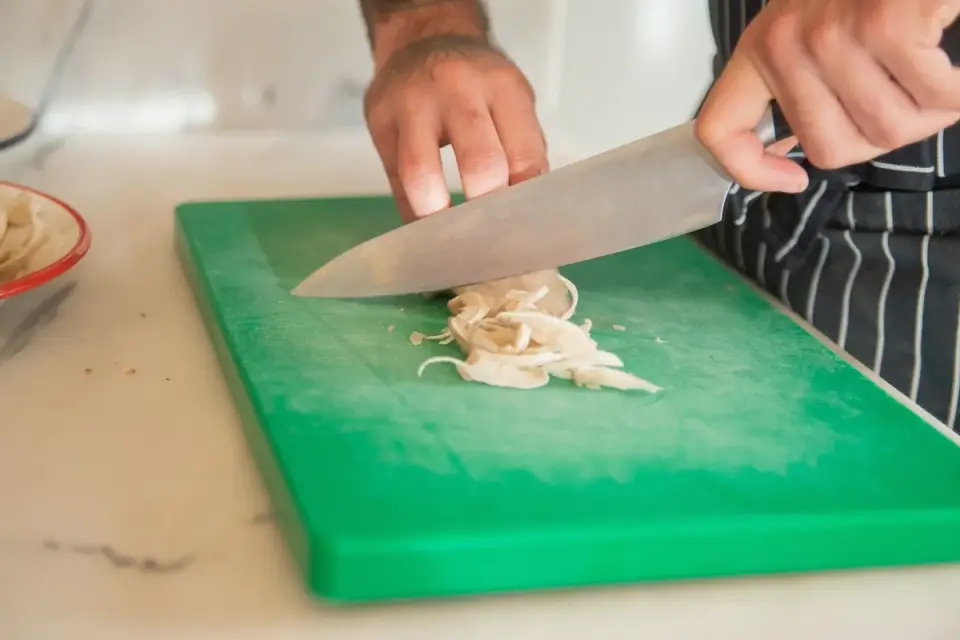
This is where I want to be direct rather than hedge for the sake of hedging. Culinary mushrooms sold for human consumption — again, button, cremini, portobello, and cooked shiitake — are reasonable in small, occasional amounts, rinsed, cooked plain, and cut small enough to avoid a choking hazard. They shouldn’t be cooked with onion, garlic, excess butter, or salt, all of which introduce their own separate risks. Nutritionally, they’re not doing much heavy lifting in a dog’s diet; a complete commercial food already covers the bases, so mushrooms function more as an occasional novelty than a meaningful addition. I don’t discourage a few plain pieces here and there. I do discourage treating that comfort level as if it extends to anything found outdoors.
Wild mushrooms sit in a completely different risk tier, and UC Davis School of Veterinary Medicine and the ASPCA both group toxic species by the organ systems they target — broadly hepatotoxic (liver), nephrotoxic (kidney), neurotoxic, and gastrointestinal. The The Fungus Among Us: Mushroom Toxicosis piece from the ASPCA notes that with hepatotoxic species, symptoms may be delayed eight to twenty-four hours after ingestion, and may begin with something as unremarkable as stomach upset before progressing toward liver failure. A dog that seems fine six hours after eating a wild mushroom is not necessarily out of danger; that delay is exactly what makes hepatotoxic mushrooms so dangerous compared with something that causes immediate, obvious vomiting.
Consider a scenario that plays out in exam rooms every mushroom season: a dog on an off-leash trail walk grabs and swallows a cap before an owner can intervene, there’s no way to identify the species after the fact, and the dog looks completely normal that evening. The tempting move is to wait and watch. The better move, given what’s known about delayed hepatotoxic signs, is to call a veterinarian or an animal poison control line and describe the ingestion, ideally with a photo of the mushroom or the immediate area if one can be taken without further exposure. Bloodwork checking liver values can catch trouble before clinical signs do, and that window matters far more with mushrooms than with most other things dogs get into on a walk.
Where this leaves an owner slicing mushrooms for dinner
My actual recommendation is narrower than “mushrooms are fine” or “mushrooms are dangerous”: plain, cooked, culinary mushrooms in modest amounts are a low-stakes treat for most healthy dogs, and I don’t see a strong reason to withhold them if an owner enjoys sharing. Wild mushrooms are a different conversation entirely, and I’d rather an owner over-react to a backyard mushroom than under-react to one, given how unforgiving species like the death cap can be. The strongest counterargument I hear is that most wild mushrooms a dog encounters are harmless, which is statistically true — but it’s also true that you cannot reliably sort harmless from lethal by looking, and the downside of guessing wrong is a dead dog. That asymmetry is why I land on treating every unidentified mushroom as a call-your-vet situation rather than a wait-and-see one.
A related pattern worth knowing: dogs recovering from a GI upset, whether from a mushroom or something else entirely, sometimes end up on a bland diet or a course of antibiotics while things settle. If that happens, understanding how probiotics interact with antibiotic timing is worth a read. Owners looking for lower-risk ways to vary a dog’s diet might also compare notes with our piece on feeding sweet potato, and anyone whose dog reacts to a new food with loose stool should look at how much fiber is too much for a dog, since fiber overload can look similar to mild GI-type mushroom reactions in the first few hours.
What to actually do if it happens
If a dog eats an unidentified mushroom outdoors, don’t induce vomiting on your own unless a veterinarian or poison control specifically instructs it, since some species are more irritating coming back up than staying down. Try to collect a sample of the mushroom, bag it, and bring it along if you head to a clinic — identification genuinely changes the treatment plan. The Mushroom Poisoning in Dogs resource from ASPCApro for veterinary professionals separates poisoning into gastrointestinal, hepatotoxic, neurotoxic, and nephrotoxic categories precisely because the workup and prognosis differ that much by type. Going forward, the practical habit that prevents most of this is simple: walk the yard after a rain, pull anything that’s sprouted, and keep dogs on-leash through areas where you can’t see what’s underfoot. That single habit does more to protect a dog than any amount of after-the-fact treatment ever will.
Frequently asked questions
Can dogs eat raw mushrooms from the grocery store?
Raw button, cremini, or portobello mushrooms are unlikely to be seriously toxic, but they're tougher for dogs to digest and more of a choking risk than cooked ones. Plain and cooked is the safer preparation.
How do I know if a wild mushroom is dangerous?
You generally can't tell by looking, and neither can most humans without mycology training. The safest assumption for any mushroom your dog finds outdoors is that it's unidentified and potentially toxic.
What are the first signs of mushroom poisoning in dogs?
Signs vary by mushroom type but can include vomiting, diarrhea, drooling, wobbliness, tremors, or lethargy. With death cap-type mushrooms, a dog may look fine for eight to twenty-four hours before liver signs appear, which is exactly why any suspected ingestion warrants a call to your vet or poison control right away.
Are mushrooms a good source of nutrition for dogs?
Culinary mushrooms aren't harmful in small amounts, but they don't add much nutritionally to a diet already balanced by a complete commercial food, so there's little upside to feeding them regularly.
Sources
- Not-So-Magic-Mushrooms: Tips to Keep Your Pets Safe — ASPCA
- The Fungus Among Us: Mushroom Toxicosis — ASPCA
- Mushroom Toxicity in Dogs — UC Davis School of Veterinary Medicine
- Mushroom Poisoning in Dogs — ASPCApro