Can Dogs Eat Tomatoes Safely? What the Ripe Fruit vs. the Plant Actually Means
A board-certified veterinary neurologist explains why ripe tomato flesh and the tomato plant are not the same question for dogs, and how tomatine chemistry drives the answer.
A ripe tomato and a green tomato plant put two very different chemistries in front of a dog, and only one of them belongs on the label of 'safe.'

On this page
A retriever mix named after a cartoon dog once had the run of a backyard vegetable bed for exactly the length of time it took her owner to answer the phone. By the time the call ended, three green tomatoes were gone from the lower branches, stems and all, and the owner was standing in the kitchen googling with the particular urgency that only a torn-open produce section can generate. Nothing dramatic happened that afternoon. The dog was quiet, a little off her dinner, and back to normal by the next morning. But the question underneath that scene — is a tomato actually dangerous to a dog — deserves a more precise answer than the panic or the shrug it usually gets.
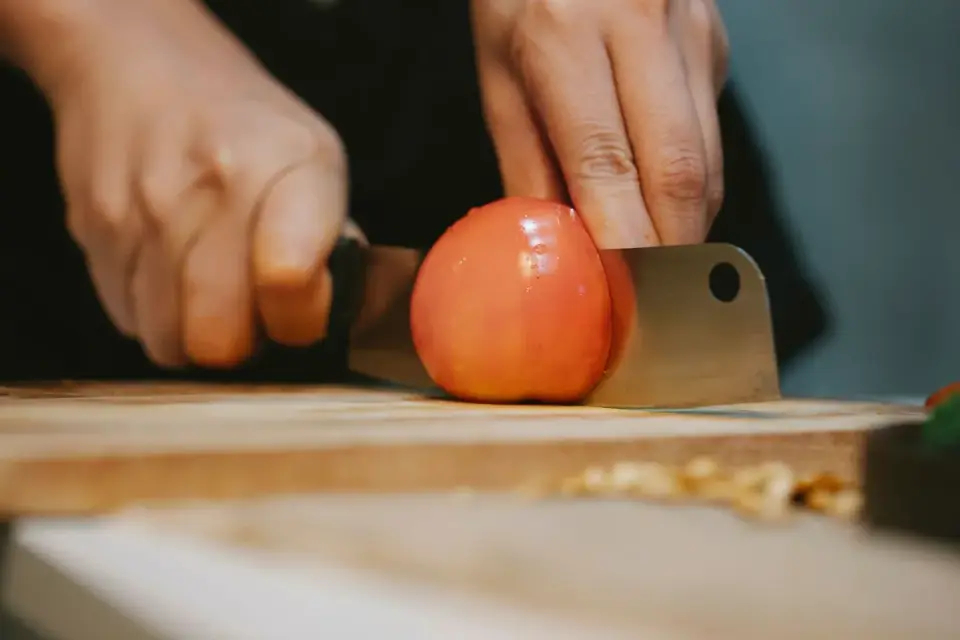
The honest verdict is that this is two questions wearing one name. Ripe, red tomato flesh, eaten in a modest amount, is not something I treat as a toxic exposure in practice. The plant it grew on is a different matter, and so is a tomato that hasn’t turned yet. Owners who ask can dogs eat tomatoes are usually picturing a slice from the cutting board, but the exposures that actually bring dogs into clinics tend to start in the garden, not the kitchen.
Why Ripeness Changes the Chemistry
Tomatoes belong to the nightshade family, and like their relatives, they carry glycoalkaloids — tomatine and solanine — as a natural plant defense against pests. According to the American Kennel Club, these compounds are concentrated mostly in the green parts of the plant, and the amount of tomatine in a fully ripe tomato is not enough to harm a dog. As the fruit ripens from green to red, tomatine and solanine levels fall sharply. That is not a marketing simplification; it is the underlying chemistry that makes the ripe-versus-green distinction meaningful rather than arbitrary.
I think about this the way I think about a lot of borderline ingredients: the question is never just what’s in the food, but how much, in what form, and at what concentration a dog actually encounters it. A ripe tomato and an unripe one are, functionally, two different substances wearing the same shape.
The Garden Is the Real Risk, Not the Kitchen
According to Pet Poison Helpline, dogs should never ingest the leaves, stems, or vines of the tomato plant, and young, green tomatoes carry the same concern. Leafy plant material can run several percent tomatine by weight — a meaningfully higher concentration than anything on a dinner plate. This is where most real exposures happen: a dog with unsupervised access to a vegetable garden, not a dog begging for a bite of BLT.
A client once described her senior beagle’s summer ritual with real affection and real exasperation in the same breath — the dog had appointed himself supervisor of the raised beds, patrolling the tomato cages every evening at the exact hour the light went gold, occasionally lipping a low-hanging fruit off the vine before anyone could stop him. Most evenings it was harmless theater. But one week the tomatoes were still green, the vines were sagging under fruit he could finally reach, and he came inside quieter than usual, refusing his dinner, unsteady enough on the stairs that she called the clinic before bed. He recovered without incident, but the pattern held: it wasn’t the ripe fruit that worried her, it was the vine.
What to Watch For, and When to Call
Signs of tomatine or solanine exposure include vomiting, diarrhea, drooling, lethargy, weakness, and in more significant cases, disorientation or a change in heart rate. None of that should be dismissed as “just a tomato,” and none of it is a reason to panic either — reports of fatal tomato poisoning in dogs are essentially unheard of, though smaller dogs and large-volume green-plant ingestions carry proportionally more risk. If your dog gets into the vegetable bed and starts showing GI signs a few hours later, that is a call to your veterinarian, not a wait-and-see weekend.
A persistently upset stomach that doesn’t track cleanly to a single tomato binge is worth investigating on its own terms rather than reflexively blamed on the garden. Diet transitions, fiber load, and underlying digestive conditions all produce overlapping signs, which is part of why we walk owners through how to change food for a senior dog without wrecking digestion and through how much fiber is actually too much for a dog as separate conversations from acute plant exposures.
If You Choose to Offer a Bite
For owners who still want to share a small piece of ripe tomato — as a low-calorie, occasional extra rather than a meal component — the practical rules are simple: red, ripe, no stem, no leaves attached, and a small quantity relative to the dog’s size. It sits in roughly the same category as other produce-adjacent extras I get asked about, alongside questions like whether sweet potato is safe and how it should be prepared. None of these foods are treatments, and none belong in large enough amounts to displace a balanced diet.
Where the Evidence Runs Thin
I’ll be direct about the limits here, because that’s the same discipline I try to apply when I’m grading a joint supplement against an evidence-first rubric rather than a marketing claim: most of what we know about canine tomatine exposure comes from toxicology reference data and clinical case reports, not controlled feeding trials in dogs. We know the mechanism — glycoalkaloid concentration falling as the fruit ripens — and we know the clinical pattern from cases that reach veterinary attention. What we don’t have is a large prospective dataset on exactly how much ripe tomato a given dog can tolerate before mild GI upset appears, because no one has needed to build one; the injuries that show up in practice come overwhelmingly from the plant, not the fruit bowl. That gap is worth naming rather than papering over. Stay anchored to how the exposure is thought to work — concentration and ripeness driving glycoalkaloid load — rather than reaching for a verdict the data hasn’t actually earned.
Frequently asked questions
Can dogs eat cherry tomatoes?
A ripe, red cherry tomato carries the same low-risk profile as a slice of a larger ripe tomato. The concern is the same regardless of size: make sure it's fully ripe, offer it in a small amount, and remove any attached stem.
What if my dog eats a green tomato from the garden?
Watch for vomiting, diarrhea, drooling, lethargy, or unsteadiness over the following several hours, and call your veterinarian if a large amount was eaten or if any of those signs appear. Most dogs that get into a garden tomato plant do fine, but green fruit and plant material carry the highest tomatine concentration.
Are tomato sauce and ketchup safe for dogs?
Not for the tomatine question, but for a different reason. Prepared tomato products often carry added salt, garlic, onion, or sugar, any of which is a more relevant hazard than the tomato itself, so these are worth skipping regardless of ripeness.
Sources
- Tomatoes for Dogs: What's Safe and What's Not — American Kennel Club
- Tomato Is Toxic To Dogs — Pet Poison Helpline