Can Dogs Eat Uncooked Rice? What Vets Say
Uncooked rice is hard for dogs to digest and may irritate the gut. Learn why cooked plain rice is safer and when to call your vet.
Skip the raw grains — plain white rice cooked soft until tender is the form that may help support comfort during mild stomach upset.
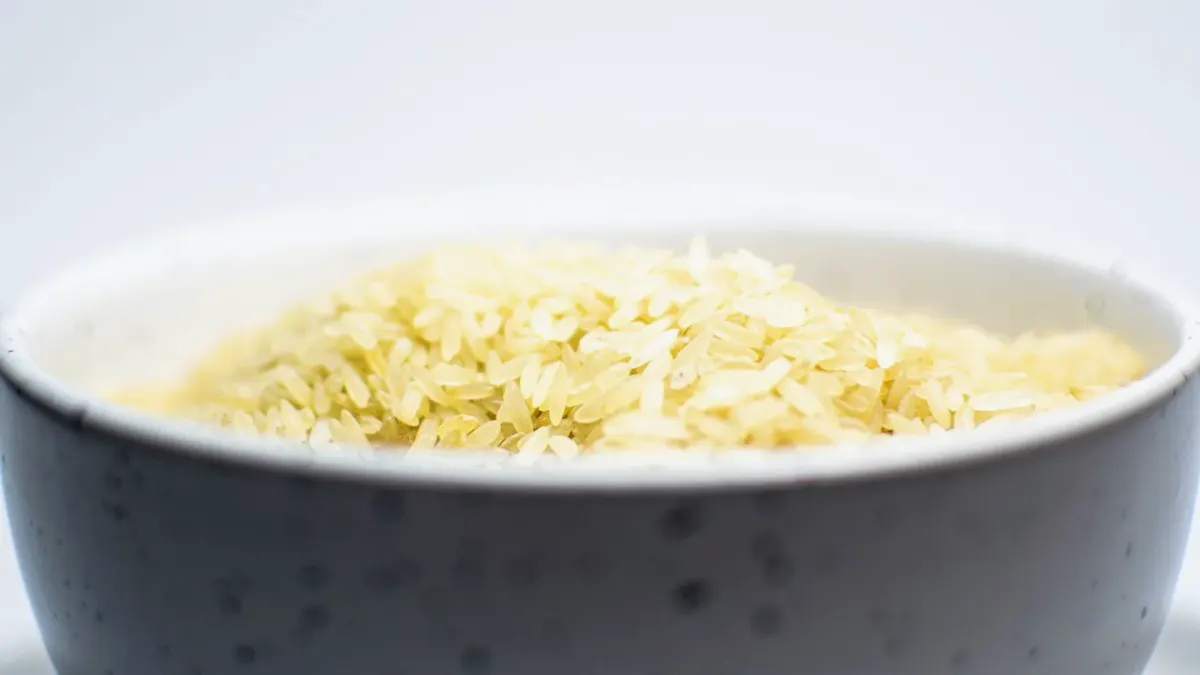
Connie keeps a bag of long-grain white rice in a low pantry bin, and her 8-year-old spayed Weimaraner mix Mora learned to nudge the lid open with her nose. One spill of hard, rattling grains raises the question a lot of owners ask after cleanup: can dogs eat uncooked rice, or does it need to be cooked first?
Cook it first. Raw rice starch is dense and poorly hydrated, so it resists normal stomach and small-intestinal breakdown and may help explain cramping, bloating, constipation, or loose stool after a dog eats more than a few stray grains. Cooking in plain water gelatinizes that starch and softens the kernel, which is why cooked plain white rice — not raw — is the traditional bland-diet base that helps maintain normal stool comfort alongside lean protein and veterinary guidance.
Why cooking changes rice for a dog’s gut
From a food-therapy view, warming and thorough cooking makes a grain easier to transform. In nutrition terms, heat plus water swells starch granules so digestive enzymes can reach them. A dry, glassy kernel passes through far less prepared for that work, so a larger share can reach the large bowel undigested and ferment, a process shown in fermentation research to shift gut bacterial diversity measures described by the Journal of Animal Science.
Brown rice follows the same rule, only more so. Its bran coat adds fiber and chew, which may support normal feeding in healthy dogs when fully cooked, but it is tougher raw and even cooked can be heavier than white rice for a dog recovering from vomiting or diarrhea. For short-term gut rest, plain cooked white rice is the gentler choice.
What happens if a dog swallows raw grains
A few licked-up grains off the floor are unlikely to cause harm in a healthy adult dog beyond mild upset. Watch for drooling after chewing hard kernels, reduced appetite, abdominal tightness, vomiting, or straining to pass stool.
The concern rises with amount. A cup or more of dry rice can swell as it absorbs fluid, take up space, and irritate the lining while it moves slowly through. Very small dogs, puppies, seniors with dental pain, and dogs prone to gulping face more risk of esophageal irritation or choking on hard kernels. Seasoned mixes add a separate problem — onion, garlic, excess salt, or fatty broth — that matters more than the rice itself.
Call your veterinarian promptly for repeated vomiting, bloody stool, belly swelling, lethargy, refusal to drink, or signs that could suggest blockage after eating a large amount of dry rice. Do not try to force vomiting at home unless directed.
Uncooked instant or parboiled products are not an exception. They are still dry and hard before water is added. Flavored rice cups, fried-rice leftovers, and rice with butter or sauce should also stay out of the bowl.
How to serve rice to support comfort
When a veterinarian recommends a bland diet for mild, short-lived upset, the method matters more than the brand of rice:
- Cook plain white rice in water only until very soft, slightly overdone rather than al dente. No butter, oil, salt, onion, or garlic.
- Cool to lukewarm and mix about two parts rice to one part plain boiled skinless chicken breast or lean ground turkey, drained, unless your vet advises a different ratio.
- Offer small, frequent meals and fresh water, then transition back to the regular balanced diet over two to three days as stools firm up.
- Keep portions modest. Like bananas or bread, rice is mostly starch energy with little calcium, essential fatty acids, or complete protein, so it should not replace balanced meals long term.
Dogs with diabetes, chronic kidney disease, pancreatitis, food allergy, or recurrent colitis need individualized advice before any rice meal, even cooked. White rice raises blood sugar more quickly than many other carbs, and fatty toppers often paired with rice can set back a sensitive pancreas. If rice is now a frequent topper because a dog is picky or losing weight, ask about a formulated recovery or gastrointestinal diet instead of stretching a bland diet for weeks.
The bottom line situates rice inside the whole-patient picture. Raw rice offers no soothing role — it is hard, poorly digestible, and may support discomfort rather than ease. The same rice, cooked plain and served briefly in a vet-guided plan, may help support digestive comfort and steady energy while the gut settles. When in doubt, sweep up the spill, offer water, and save the rice for the pot.
Frequently asked questions
Can dogs eat uncooked rice safely?
No. Offer only plain rice cooked soft in water. Raw kernels are hard to digest and may cause vomiting, gas, bloating, or constipation, especially in larger amounts.
My dog ate dry rice off the floor — what should I do?
For a few grains, offer water and watch for upset over 24 hours. For a large amount, or if vomiting, lethargy, belly swelling, or straining occurs, contact your veterinarian promptly.
Is cooked brown rice okay instead of white rice for diarrhea?
Fully cooked plain brown rice is not toxic, but plain cooked white rice is usually gentler for short-term bland feeding because it is lower in fiber. Ask your vet which fits your dog.