5 Cheapest Pet Vaccination Options Before a Trip
Compare low-cost clinics, shelters, and vet offices for pre-trip dog vaccines and travel paperwork.
Low-cost clinics offer the cheapest pet vaccinations when certificates meet destination travel rules.

On this page
For travel, the vaccine itself is only half the job; the signed paperwork proving when it was given is what gets checked. In my practice I organize the whole toolkit around one pattern: keep prevention steady so travel does not unbalance digestion, immunity, and Shen. Core vaccines that may help support healthy immune function still need the right dates, lot details, and veterinarian signature to count for boarding, airlines, or state lines.
A patient of mine, Jacks, a 4-year-old neutered male Havanese, showed how this works in real life. His owner Randall in Lexington-Fayette, Kentucky, wanted the lowest cost rabies and distemper boosters before a family road trip, and we mapped what the destination required first, then chose where to get each shot so nothing had to be repeated.
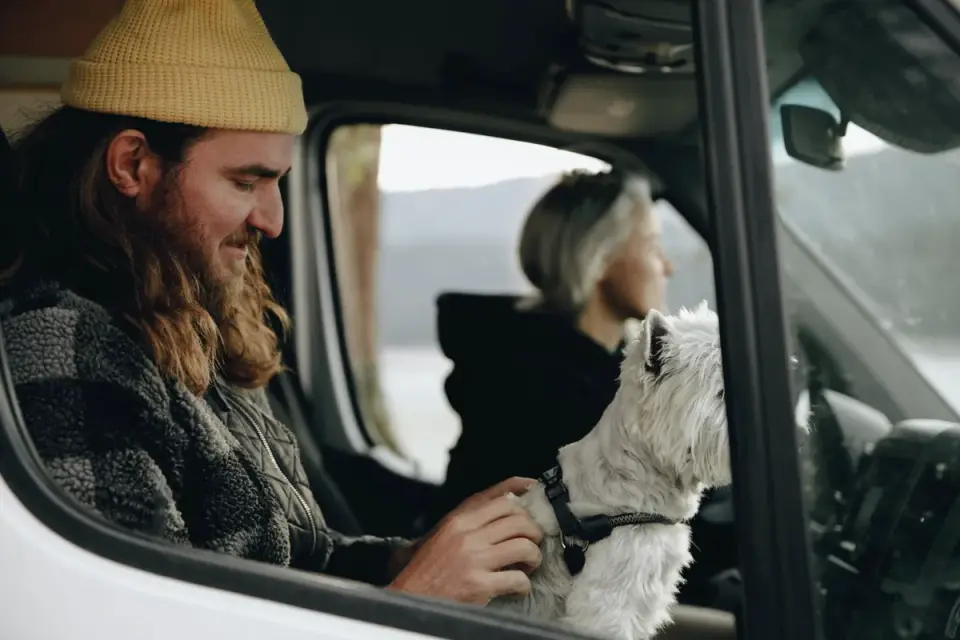
1. Start with destination rules, not price
Before you shop for the cheapest option, list what is required for where you are going. Most U.S. travel hinges on current rabies vaccination, while boarding, daycare, airlines, and some states or countries add distemper-parvo-adenovirus, Bordetella, or canine influenza.
The U.S. Department of Agriculture explains that interstate and international pet travel often requires a valid rabies certificate and sometimes a veterinary health certificate, with rules varying by destination. The Centers for Disease Control and Prevention sets separate federal requirements for dogs entering the United States, including age, microchip, and rabies documentation for higher-risk origins. Check both well before departure, then match that paperwork checklist to any low-cost receipt.
If you are flying, also review Airline Pet Policies: What to Check Before You Book and pack certificates with your Road Trip Packing List: Everything Your Dog Needs.
2. Where the lowest prices usually live
For healthy adult dogs needing routine boosters, these settings are often the least expensive:
- Nonprofit low-cost vaccine clinics: often run on weekends, charge per antigen, and use the same licensed core vaccines as private practices.
- Animal shelters and humane societies: many offer public vaccine days for rabies and DAPP at reduced fees.
- County animal services and public health rabies clinics: seasonal low-fee rabies clinics focused on community coverage.
- Pet-store pop-up clinics: mobile veterinarians offering a la carte vaccines without an office exam fee.
- Veterinary schools and community programs: supervised-student clinics with lower overhead in some cities.
The trade-off is time and continuity. Lines can be long, history-taking is brief, and food therapy, Tui-na, or pattern-based follow-up for a sensitive stomach is not part of that model. From a whole-patient view, that is fine for a straightforward booster, but less ideal for puppies in series, overdue dogs with unknown history, or dogs with prior vaccine reactions.
3. What paperwork must show to count for travel
A low-cost receipt alone rarely satisfies an airline agent, boarder, or border official. Ask before you pay:
- Will I receive a rabies certificate with vaccine name, lot, date given, due date, and veterinarian signature and license number?
- Is a physical exam and health certificate available if my airline or destination requires one?
- Can Bordetella or influenza be documented separately if my boarder requires it?
- How quickly will records be emailed if I lose the paper copy on the road?
The American Animal Hospital Association groups rabies and DAPP as core for most dogs, with Bordetella, parainfluenza, and influenza as lifestyle-based noncore vaccines that travel and boarding often request. That distinction helps you avoid paying for extras you do not need, while still covering what a kennel will ask to see.
I keep my travel cases simple: one folder with rabies certificate, vaccine history, microchip number, medications, and usual feeding routine. That steadiness may help support normal digestion and calm behavior when schedules shift.
4. When paying full price saves money
Low-cost is not cheapest if you have to revaccinate. Pay for a private visit when:
- Your dog needs a health certificate dated within 10 days of travel
- You need a rabies shot tied to a microchip and exam for international forms
- Your puppy has not finished its series and timing matters
- Your dog had facial swelling, vomiting, hives, or lethargy after a prior vaccine
- Your itinerary changed and you need same-week documentation
In those cases, one coordinated visit that produces accepted paperwork costs less than two discounted shots with incomplete certificates. For dogs with chronic digestive or immune imbalance, I also prefer the regular clinic where diet, herbs, and acupuncture supports are already charted.

5. A practical pre-trip vaccine checklist
Three to four weeks out works well for most road trips, longer for international travel:
- Confirm destination rabies, health certificate, and boarding vaccine rules in writing
- Bring prior records so the clinic does not duplicate or miss a due date
- Ask which vaccines are given that day and when protection is considered current
- Confirm when to return if a puppy series or Bordetella booster needs spacing
- Store photos of certificates in your phone plus one paper set in the car
Keep feeding, sleep, and walks as consistent as travel allows. Warm, easy-to-digest meals, regular rest, and gentle Tui-na along the back and shoulders may help support balance and healthy function during long driving days, alongside conventional preventive care.
Low-cost clinics are a sound choice for required travel vaccines when you verify the paperwork first. Match the certificate to the destination, keep a copy where you can find it, and save the full integrative visit for the dogs and trips that need more support.
Frequently asked questions
Are low-cost travel vaccines the same as vet-office vaccines?
Many use the same licensed core antigens, but documentation, exam depth, and follow-up differ. Confirm you will get a signed rabies certificate with lot, dates, and veterinarian information.
How far ahead should I vaccinate before a trip?
For domestic road trips, 3 to 4 weeks allows time to correct paperwork and space boosters. International trips and health certificates often need more lead time, so check destination rules early.
Which vaccines do boarders and airlines ask for most?
Current rabies is most universal. Many boarders also require DAPP and Bordetella, and some request canine influenza. Get requirements in writing before you choose a clinic.