Can You Crush a Dog's Probiotic Chew Into Their Food?
Learn when crushing a probiotic chew is safe, how heat and moisture affect live cultures, and the step-by-step way to mix it into food.
You can usually crush your dog's probiotic chew into their food, but heat and dose splitting matter.
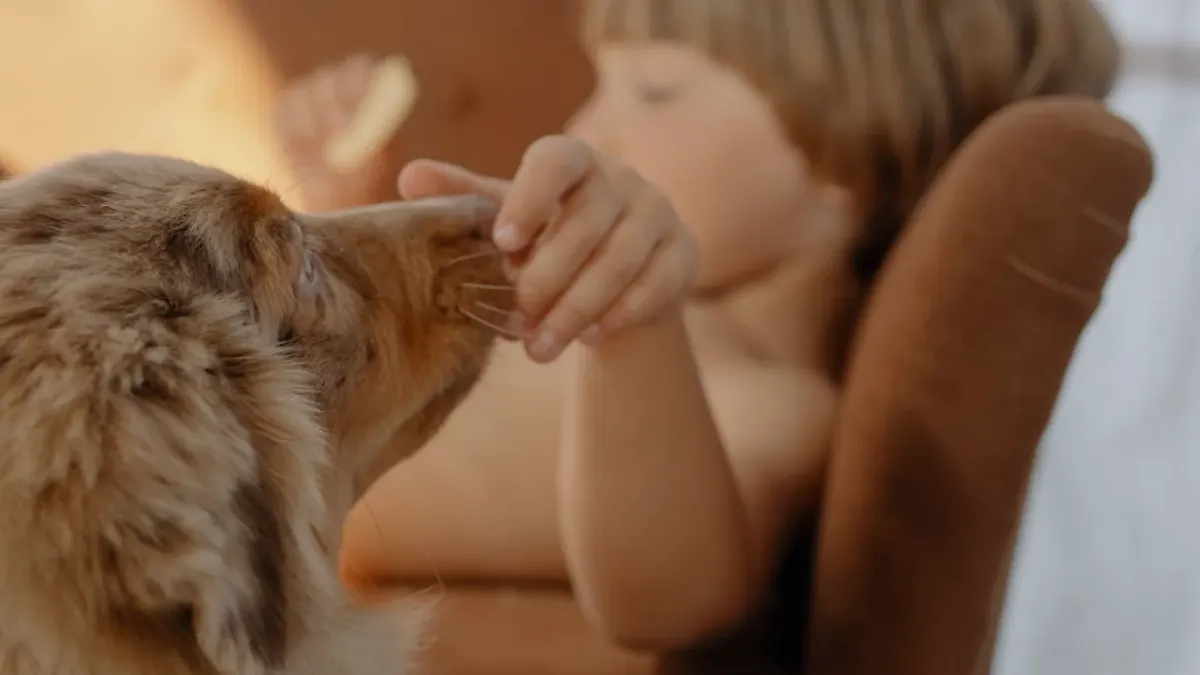
A nine-year-old 48-pound cattle dog mix with stiff mornings and a gassy gut sniffs her chew, mouths it, then drops it beside the bowl and walks away. Her owner is weighing the same choice you are: toss the dose, force it like a pill, or crush it into breakfast so it actually gets eaten. From an integrative plan that pairs food therapy with Tui-na and acupuncture support for mobility and digestion, getting the full dose in calmly matters more than keeping the chew intact. The short verdict is yes, crushing is usually acceptable if you do it cool, dry, and all at once.
Crush the chew just before serving. Place it in a dry fold of wax paper and press with the back of a spoon until it is coarse crumbs, then stir those crumbs through a small portion of cool or room-temperature wet food or plain kibble with a spoonful of water. Feed that dosed portion first and watch that it is fully eaten before offering the rest of the meal. Keep water available as usual.

Get the dose in whole before you worry about the form
Do not split a crushed chew across two meals unless the label directs it. Do not warm it in broth, microwave it, or pour hot water over it to soften it. Live cultures are sensitive to heat and prolonged moisture, and a half-dose morning and night is a different plan than the tested daily amount. If your dog leaves crumbs, scoop them onto a spoonful of plain canned pumpkin or a meat baby food with no onion or garlic and offer once more rather than doubling up later.
A five-year-old 62-pound pit bull mix with chronic loose stool finished his antibiotics three weeks in, and his owner tried to make the chew last by sprinkling half over morning kibble and saving the rest in a damp baggie for evening. By day 10 the stool was still soft-serve in the afternoons and the owner assumed probiotics did not work. The problem was not the strain so much as the delivery: divided, pre-crushed, moisture-exposed crumbs fed on a shifting schedule. Once she crushed a full chew fresh each morning into one small meatball of canned food, given before the main bowl, intake became consistent enough to judge.
Why cool, fresh, and complete works better
Think Western mechanism alongside Eastern pattern. In Western terms, a chew is a carrier for live organisms meant to transit to the gut, and heat, soaking, and long air exposure reduce viable count before they arrive. In TCVM terms, a cold-damp or Spleen-Qi-deficient gut already struggles to transform food, so a soggy, split, irregular dose adds dampness without steady support. A JAVMA review notes that “EPI is treated by pancreatic enzyme replacement therapy, nutritional management (low-residue diets with moderate fat content), and supplementation of cobalamin.” That is a different condition, but the principle carries: enzyme and microbial support only helps when the full nutritional plan is consistent.
Response also varies by individual. In one canine trial, “Diversity metrics did not distinguish non-responders from responders,” reported in Frontiers in Veterinary Science. Expect a two- to four-week trial with steady dosing, same diet, and a simple stool log before you decide.
When crushing changes the plan
Use the whole crushed amount right away for picky eaters, seniors with dental pain, and dogs that chew around supplements. Do not crush ahead for the week. Do not mix into a large batch of raw or fermented food and assume even distribution. If your dog eats around powder, press the crumbs into a thin smear of peanut butter with no xylitol and stick it to the inside of the bowl under a little food.
An edge case shifts this: a 12-year-old 18-pound terrier mix on pancreatic support who vomits bile most mornings. Her owner crushed the chew into a large, warm dinner to hide the taste, and by day 4 the dog was licking grass and skipping breakfast. Warm, large-volume mixing can irritate an empty, acidic stomach and waste the dose if vomited. For that pattern I move the crushed chew to a small, cool midday snack after a short walk and gentle Tui-na along the back, then feed dinner separately. Small, neutral, and observed beats hidden and large.
If stool worsens, vomiting persists beyond 48 hours, blood appears, appetite drops, or a diagnosed gut disease is in play, stop troubleshooting form and call your veterinarian. For general questions on choosing a formula, see Best Probiotic for Dogs: What the Evidence Actually Supports and Can Probiotics Be Given With Antibiotics for Dogs? Timing, Strains, and What the Evidence Shows. If fiber is part of the loose-stool picture, Can Dogs Get Too Much Fiber? Signs, Causes, and How to Dial It Back helps calibrate diet alongside the chew.
Crush fresh, serve cool, feed the full dose first.
Frequently asked questions
Will crushing kill the probiotic?
Crushing alone does not sterilize it, but heat, hot liquid, and long soaking or storage after crushing may reduce live count. Crush dry just before feeding and serve cool.
Can I split one chew across two meals?
Only if the label says to. Most chews are dosed as one daily unit, so splitting changes the intended intake.
How long should I trial a crushed chew before judging?
Give a consistent full dose with a stable diet for two to four weeks and track stool form, gas, and appetite before deciding.
Sources
- EPI review — JAVMA review
- Diversity metrics in canine responders — Frontiers in Veterinary Science