Does My Human Probiotic Capsule Contain Xylitol That's Unsafe for My Dog?
A house-call vet walks through why some human probiotic capsules use xylitol as a filler, how to check your bottle, and what to reach for instead if your dog needs gut support.
Some human probiotic capsule brands contain xylitol, a sugar substitute that is unsafe and potentially toxic for dogs.
On this page
| Product | Score | Key details | Best for | Pros & cons |
|---|---|---|---|---|
| Boops Probiotics 30 Billion Boops Pets | 9.2/10 | Human-grade probiotic blend (30 billion CFUs), pumpkin prebiotic fiber, inulin 400 mg, postbiotic yeast complex 300 mg, digestive enzymes 15 mg · Air-dried soft chew, per label serving | Owners who want a dog-specific probiotic with no xylitol risk and independent purity testing |
|
| Generic human probiotic capsule (chewable/flavored formats) Varies by manufacturer | 5.8/10 | Live bacterial strains plus inactive ingredients that may include sugar alcohols like xylitol, especially in chewable or gummy delivery formats | Human use only, checked against the label before any dog ever gets near it |
|
Mrs. Alvarez called me on a Tuesday, more embarrassed than panicked. She’d been taking a chewable probiotic every morning for her own gut health, and her terrier mix, Biscuit, had gotten good at snatching dropped pills off the kitchen floor. That morning, one capsule went missing before she could grab it back. She hadn’t thought to check the label until she was standing in her kitchen, phone in hand, reading ingredients she didn’t recognize.
Her question is one I hear often enough on house calls that it deserves a straight answer: yes, this happens, and yes, it’s worth checking every bottle in your medicine cabinet before it happens to you.
Does My Human Probiotic Capsule Contain Xylitol?
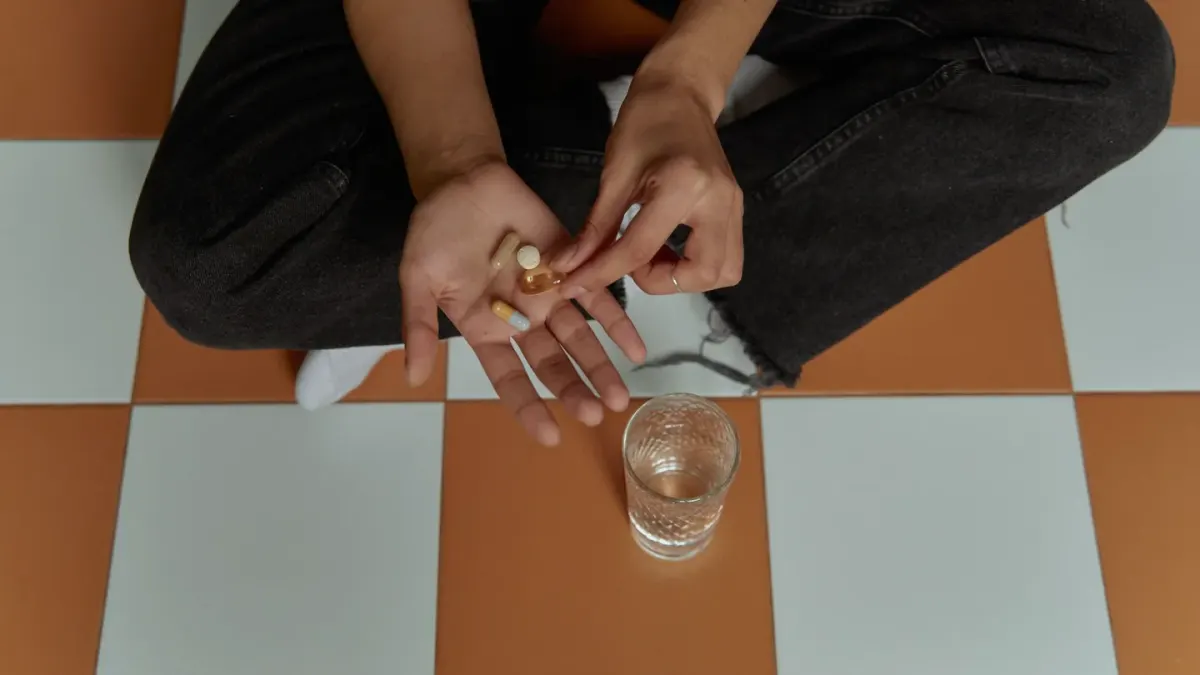
Maybe. It depends heavily on the format. Plain gelatin or vegetable capsules filled with freeze-dried bacterial powder often don’t need a sweetener at all, so xylitol is less likely to appear. Chewable, gummy, or flavored probiotics are a different story. According to NIH Office of Dietary Supplements ingredient data, xylitol turns up regularly in supplement labels as a sweetener, and some manufacturers even use it as a bulking carrier mixed directly with the live culture before encapsulation. That means the sugar alcohol isn’t always an obvious “sweetener” line item; sometimes it’s buried mid-list as part of the fill.
The only reliable way to know is to read the actual label on the bottle in your house, not a generic answer online. Look past the active-ingredient panel for the “other ingredients” or inactive-ingredient section, where xylitol most often hides.
Why Is Xylitol So Dangerous For Dogs?
In people, xylitol barely affects insulin release. In dogs, it does the opposite. The Merck Veterinary Manual explains that xylitol triggers a rapid, dose-dependent surge of insulin from the canine pancreas, which can crash blood sugar within thirty to sixty minutes. Doses above roughly 100 mg per kilogram of body weight have been associated with hypoglycemia, and doses above about 500 mg/kg carry real risk of acute liver failure.
That’s a narrow margin for a fifteen-pound terrier. A capsule that seems trivial to a 150-pound adult can carry a meaningful dose relative to a small dog’s weight, and there’s no threshold considered safe to feed on purpose.
The ASPCA has issued repeated warnings as xylitol has spread from gum and mints into more everyday products, supplements included, and the FDA notes that early signs, vomiting, weakness, loss of coordination, can appear within the first hour. Seizures and collapse can follow in more severe exposures. If your dog gets into a xylitol-containing product, this is a call to your vet or an emergency clinic right away, not a wait-and-watch situation.
What Should I Do If My Dog Already Got Into One?
Call your veterinarian or an animal poison control line immediately with the product name in hand, so they can look up the xylitol content and calculate risk against your dog’s weight. Don’t induce vomiting at home without guidance, since the speed of hypoglycemia onset means timing matters more than most people expect. This is one of the few situations in general practice where minutes genuinely count.
Which Ingredients Should I Actually Check For?
Beyond xylitol, I ask owners to scan for other sugar alcohols (sorbitol and erythritol are lower risk but still worth noting), artificial sweeteners in general, and any flavoring agents pulled from human palates rather than canine ones. If your dog has loose stool from a diet change already, layering an unvetted human supplement on top rarely simplifies things; our guide on dog stomach upset after switching to raw food covers what a normal adjustment looks like versus something that needs attention.
What Should I Give My Dog Instead?
This is where I steer owners toward a probiotic actually built for a dog’s gut, not repurposed from a human shelf. A balanced gut microbiome supports overall immune function, and the mechanism doesn’t change just because the species does, but the delivery format and inactive ingredients absolutely should.
Boops Probiotics 30 Billion is formulated as a 4-in-1 chew: probiotics, prebiotic fiber, a postbiotic yeast complex (300 mg), and digestive enzymes, built specifically for dogs with no xylitol anywhere in the formula. Pumpkin fiber, one of its supporting ingredients, is a gentle, natural source of both soluble and insoluble fiber, which pairs sensibly with the live-culture blend rather than competing with it. The product is made in a facility carrying the NASC Quality Seal and is independently third-party tested for purity and potency, which matters more to me than a flashy ingredient count when I’m recommending something to a client’s dog.
It’s worth being honest about the evidence here too. Research on Frontiers in Veterinary Science: probiotic responder outcomes in dogs has found that diversity metrics did not distinguish non-responders from responders, meaning even a well-chosen probiotic won’t visibly help every dog the same way, and that’s a fair expectation to set rather than promise around. Chronic digestive cases with a suspected pancreatic component are their own category entirely; the JAVMA review on exocrine pancreatic insufficiency notes that condition is managed through enzyme replacement and nutritional planning with a vet, not an over-the-counter probiotic swap.

The Bottom Line
Biscuit turned out fine that morning; his capsule had a smaller list of inactive ingredients than Mrs. Alvarez feared, and no xylitol at all. But she keeps her own supplements on a higher shelf now, and she switched to a dog-specific probiotic so the question doesn’t come up again. That’s the pattern I’d encourage for any household mixing a person’s supplement drawer with a dog underfoot: read the label once, then remove the need to read it under pressure. If your dog’s tummy needs support in the meantime, our guides on firming up a puppy’s loose stool naturally and whether your dog is getting too much fiber round out the whole-dog picture beyond any single ingredient.
These statements have not been evaluated by the FDA. This product is not intended to diagnose, treat, cure, or prevent any disease.
Frequently asked questions
Do all human probiotic capsules contain xylitol?
No. Plain powder-in-capsule probiotics usually don't need a sugar alcohol at all. Xylitol shows up more often in chewable, gummy, or flavored formats, where it's used as a sweetener and sometimes as a carrier for the bacterial culture, so the format is your first clue to check.
How much xylitol is dangerous for a dog?
According to the Merck Veterinary Manual, doses above roughly 100 mg per kg of body weight have been linked to hypoglycemia in dogs, and doses above about 500 mg/kg carry a risk of liver failure. A supplement capsule may only carry a small amount, but for a toy or small-breed dog, small amounts can still matter, and there's no dose considered safe to give on purpose.
What are the first signs of xylitol poisoning in a dog?
Vomiting is often the earliest sign, followed by weakness, wobbliness, and in more severe cases, seizures or collapse as blood sugar drops. The FDA notes that signs can appear within 30 to 60 minutes of ingestion. If you suspect exposure, this is an emergency vet call, not a wait-and-see situation.
Is Boops Probiotics 30 Billion safe for daily use?
It's formulated as a daily digestive-support chew for dogs, built around a human-grade probiotic blend, pumpkin prebiotic fiber, and a postbiotic yeast complex, with no xylitol in the formula. As with any supplement, it's meant for everyday gut-balance support, not as treatment for a diagnosed condition, and it's worth a quick check-in with your own vet if your dog has an existing health issue.
Sources
- Xylitol Toxicosis in Dogs — Merck Veterinary Manual
- Updated Safety Warning on Xylitol: How to Protect Your Pets — ASPCA
- Paws Off Xylitol; It's Dangerous for Dogs — FDA
- Xylitol (Ingredient) — NIH Office of Dietary Supplements
- NASC Quality Seal — Boops Pets — NASC
- Exocrine pancreatic insufficiency management review — JAVMA
- Probiotic responder outcomes in dogs — Frontiers in Veterinary Science