Should Two Dogs Share One Car Seat Safely?
Two dogs in one car seat tangle and shift weight. Learn safer separate restraint setups for pairs.
For two dogs, choose two separate car restraints, not one shared seat, unless both are tiny and tethered separately.
On this page
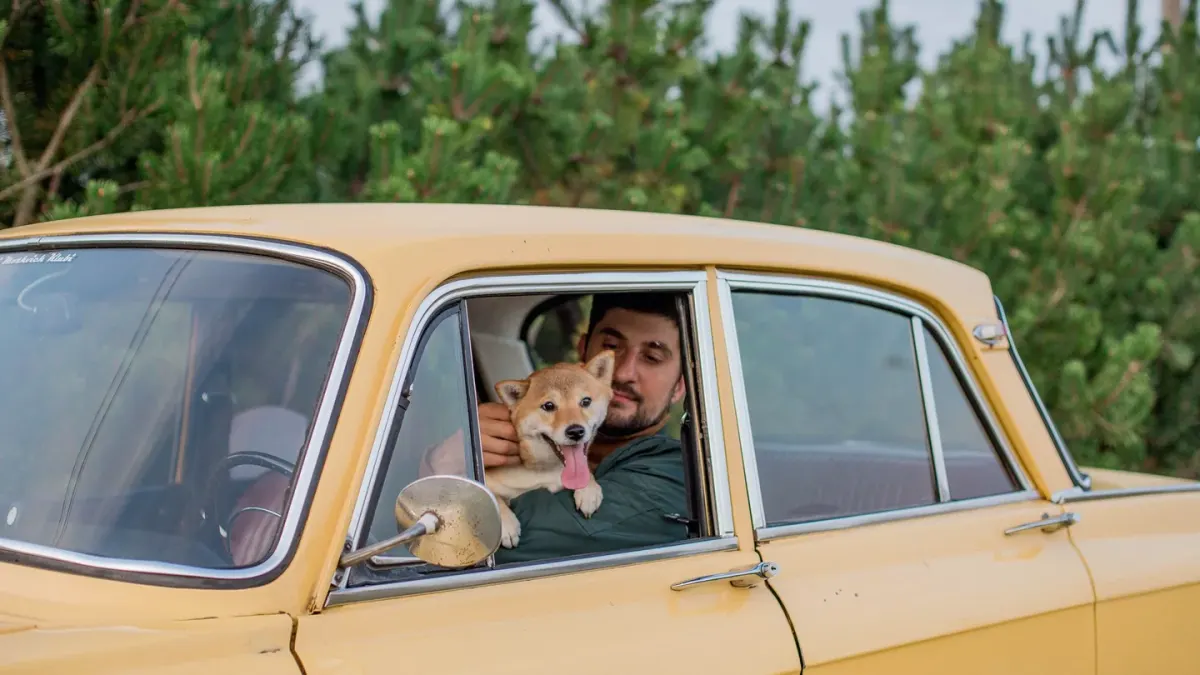
Two dogs riding head-to-head in one soft bucket look cozy until the driver brakes hard, and then both bodies become one shifting load that neither tether was designed to hold.
From a whole-patient view, travel steadiness matters as much as joint comfort, and paired dogs that brace against each other may help support calm behavior on short rides but lose that balance when momentum takes over. The American Veterinary Medical Association reminds owners that unrestrained or poorly restrained pets can be injured and can distract the driver, which is why separation and fit deserve as much attention as cushioning. The same principle guides herbal and TCVM pattern-thinking, where we trace support from the root outward, and here the root is independent stability for each dog.
Why one shared seat changes the physics
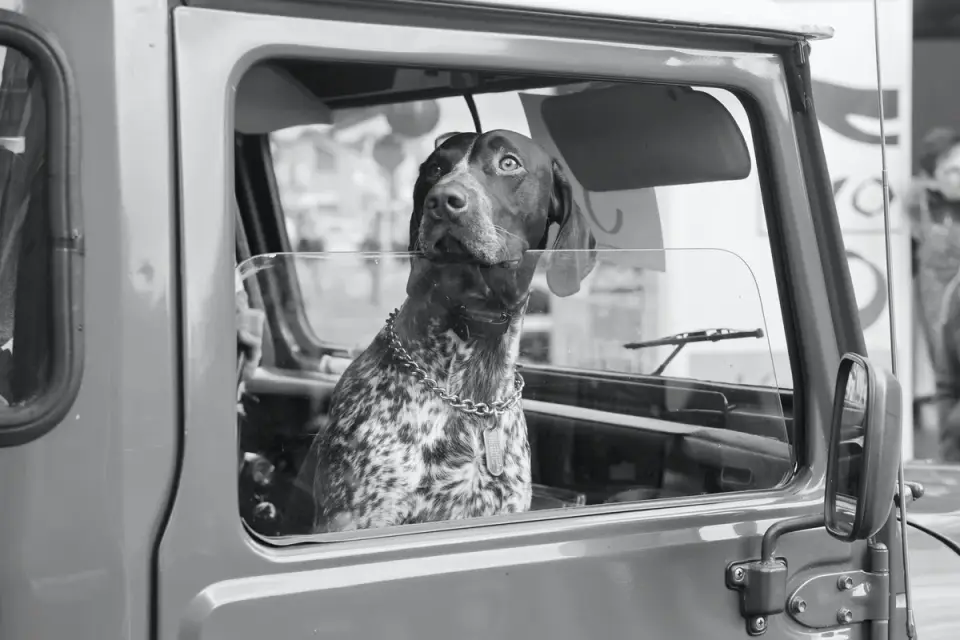
A car seat marketed for two usually means one fabric box with one or two short straps clipped to harnesses. In a sudden stop, two dogs slide toward each other, twist the straps, and load one anchor point at an angle it was not built to hold. The Center for Pet Safety has shown through harness crash testing that excursion and rotation determine injury risk, and adding a second animal to the same space increases both.
Weight shift is the other problem. A 12-pound dog and a 25-pound dog do not decelerate together, so the heavier dog can pin or roll over the smaller one even below 30 mph. Separate anchors let each harness or carrier absorb its own load path without using the other dog as a bumper.
What separate restraint looks like for two
Separate does not have to mean bulky. For most pairs, choose one of these combinations in the back seat:
- Two crash-tested harnesses, each clipped to its own seat-belt anchor or LATCH point, with enough slack to lie down but not to reach each other
- Two secured carriers or small crates, seat-belted independently, for tiny or anxious dogs that do better with walls
- One harnessed dog plus one crated dog, when sizes differ widely or one dog guards space
Fit each harness snugly at chest and girth, then test for tangles before you drive. If the tethers can cross when the dogs turn around, shorten them or add a backseat divider. Our explainer on Crash-Test Ratings for Dog Car Restraints, Explained breaks down what passed testing actually means, and Best Crash-Tested Dog Car Harnesses: What the Evidence Actually Shows describes the harness features that limited excursion in testing.
When a shared bench can still work
There is one exception. Two very small, calm dogs that each wear a well-fitted harness and clip to independent anchors can share a large bench seat or lined booster with a divider, provided the tethers cannot reach each other. Think of the seat as bedding, not restraint, because the belts and harnesses do the work.
I sometimes hear from owners who carry a smaller dog in a bag while running brief shopping errands, and that convenience habit illustrates the limit well. A soft bag or open booster may help support containment for a quick carry, yet it does not replace independent crash restraint in a moving car. If either dog paces, pants, climbs, or tries to sit on the other, split them up.
For pairs that ride well together loose in the house but wrestle in the car, see Dog Car Seat Belt vs Crate vs Barrier: Which Restraint Is Safest? before you decide.
How to set up two tethers without tangles
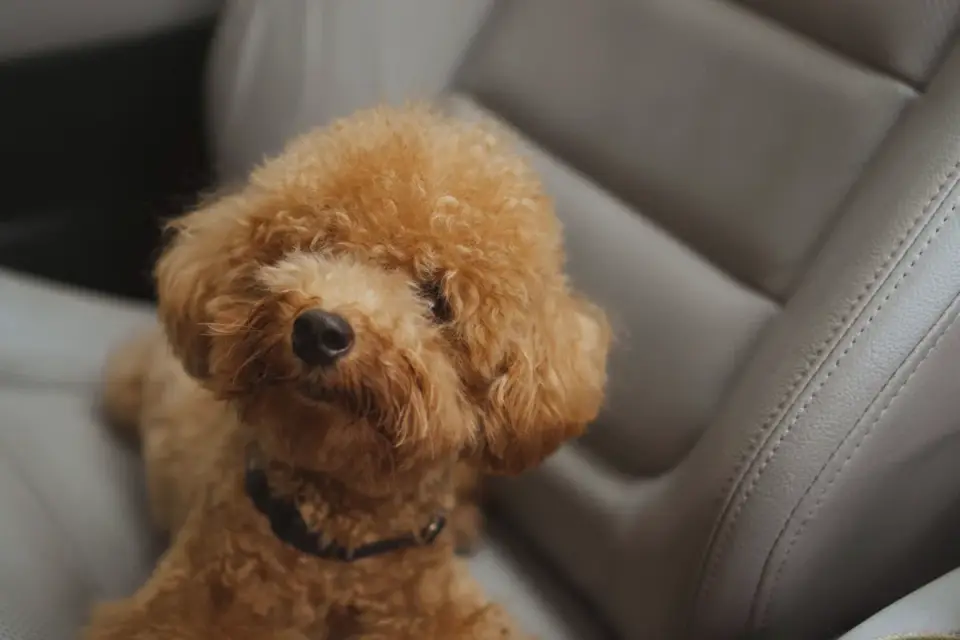
Measure the back seat first, then assign each dog a side and keep that side consistent so the routine itself becomes calming. Anchor left and right separately, run tethers straight down without crossing the middle, and place a folded blanket or low platform between them to reduce sliding.
Leave headrests up as visual boundaries, crack windows equally to avoid guarding, and offer water at stops rather than loose bowls that spill. Dogs with motion sickness, stiffness after long rides, or heat sensitivity do better with more airspace and firmer footing, so a flat hammock under two harnesses often rides steadier than a tall, shared bolster. If car sickness persists, our piece on Do Puppies Outgrow Car Sickness? outlines what settling usually looks like.
Give each dog a familiar chew or mat so togetherness comes from scent and proximity rather than shared straps, and you keep the calm of companionship without coupling their safety to each other.
Frequently asked questions
Can two small dogs share one dog car seat?
Only if each dog has its own well-fitted harness clipped to its own anchor and the tethers cannot reach each other. Treat the seat as bedding, not restraint, and separate them if they climb or tangle.
What is safest for two dogs in the back seat?
Two independent restraints, usually two crash-tested harnesses or two seat-belted carriers, each anchored separately. That prevents one dog from loading the other in a sudden stop.
How do I stop leashes tangling with two dogs in the car?
Assign sides, use short straight tethers to separate anchors, and add a divider or folded blanket between dogs. Test turns and lie-downs while parked before driving.