Dog-Friendly Checklist for a Holiday in a Rented Apartment
Vet-guided checklist for renting an apartment with a dog — lease rules, joint-friendly setup, routine, safety, and neighbor etiquette.
A calm apartment holiday starts with clear rules, joint-friendly setup, and a routine your dog already knows.

On this page
The elevator doors opened onto a quiet hallway, and the 11-year-old chocolate Labrador in front of me planted all four feet and refused to step onto the slick tile. Her owner had booked a bright third-floor rental for a week near her daughter, and on paper it looked ideal: fenced patio, dogs allowed, two short flights of stairs. In practice, the dog had not eaten breakfast, had held urine for 9 hours during the drive, and now faced a new surface, new smells, and stairs that hurt. We unpacked her mat first, carried her bag up separately, and gave her 20 minutes to sniff one room before exploring the rest. That order — baseline needs, then novelty — is the whole checklist in miniature.
My position is simple: prioritize predictable routine and joint-friendly access over square footage or perks. A smaller ground-floor rental with a clear pet policy and a consistent walk loop may help support comfort and mobility far better than a larger place with stairs, slippery floors, and vague rules.
Act-first checklist: the rented-apartment holiday
- Confirm the written pet policy: weight limits, breed restrictions, number of dogs, fees, and where elimination is allowed
- Map stairs, elevators, flooring, and furniture access before you book
- Pack baseline gear: food for the full stay plus two days, medications, mat or crate, non-slip runners, waste bags, cleaning kit
- Preserve feeding, walk, and sleep times within 30 minutes of home routine
- Set up one low-traffic dog zone on day one with water, mat, and chew
- Plan alone-time: crate practice, departure cues, and a neighbor contact if barking happens
- Pet-proof for ingestion, escape, and noise: cords, trash, balcony gaps, door-dash routes
- Have a local vet and emergency clinic address saved before arrival
Read the lease like a behavior plan, not a formality
Pet-friendly means very different things to different hosts. One allows a single dog under 25 pounds with a $150 fee; another allows two large dogs but bans them from the patio unsupervised. Ask for the pet addendum in writing, including cleaning expectations, damage responsibility, and what happens if a neighbor complains about barking.
This matters for prevention. Dogs in novel apartments vocalize, pace, and eliminate indoors most often in the first 48 hours, when uncertainty is highest. Knowing exactly where your dog is allowed to toilet, whether the crate can be left in the living room, and whether dogs can be left alone at all lets you prevent the conflict instead of negotiating it mid-stay. For help vetting listings before you commit, see How to Find Truly Pet-Friendly Hotels, which covers many of the same screening questions.
The American Veterinary Medical Association reminds owners to confirm destination rules, identification, and health paperwork before travel, and a rented apartment is a destination with its own rules. Keep collar tags, microchip information, vaccination records, and a recent photo on your phone.
Set up for stiff joints and slick floors
Most rentals are not designed for aging dogs. Hardwood, tile, and laminate look clean and feel treacherous to a dog with reduced hind-limb strength. I counsel owners to treat traction as medical equipment: pack two or three washable runners, place one from the entry to the dog zone and one beside the bed, and block access to the slipperiest hallway until the dog has learned the layout.
Furniture is the second decision. At home many dogs sleep on the couch; in a rental that invites both damage and a jump injury. Bring the dog’s own mat or travel crate and make it the highest-value spot with meals, chews, and quiet praise. Elevate food and water slightly if that is already the home setup, but do not introduce a new raised feeder on holiday and expect instant comfort.
Expectation first: supplements and comfort measures may help support joint function over weeks, they do not remodel a joint in a weekend. What changes comfort in a rental is fewer stairs, fewer slips, and shorter, more frequent walks.
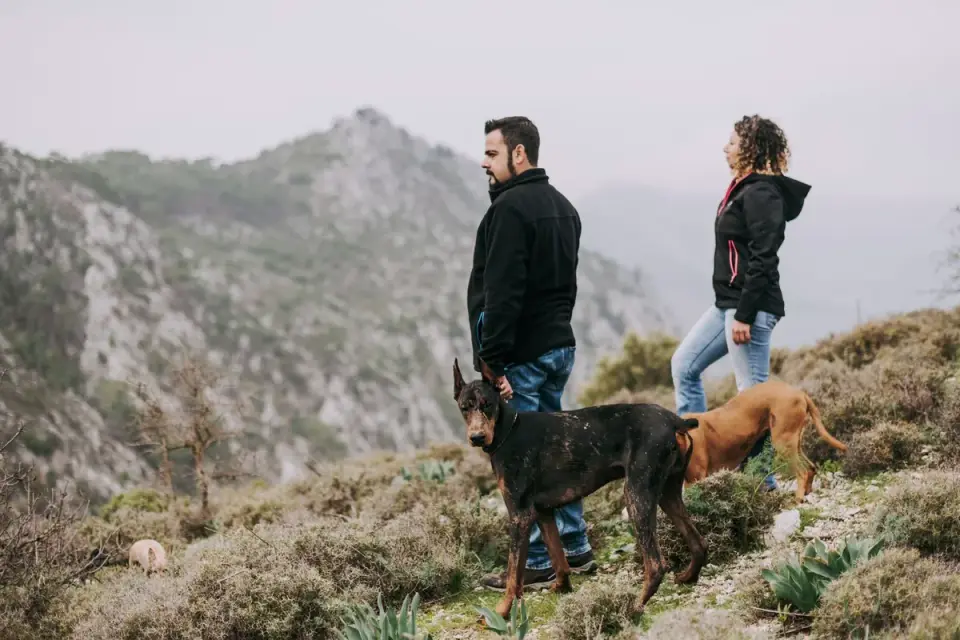
The tradeoff showed up with a stocky 68-pound pit bull-type mix I counseled before a city rental stay. His owner had chosen a beautiful second-floor walk-up to save money, assuming three daily stair climbs would be fine because the dog was only middle-aged. By night two the dog was hesitating at the landing, shifting weight forward, and needing coaxing that had never been needed at home. They moved the feeding station and mat downstairs to the entry nook, cut stair trips from six to two per day, and added a short midday loop instead of one long evening march. He still enjoyed the trip. The stairs simply stopped being exercise and became a toll.
That is where the cheaper rental stops winning. A ground-floor unit or a building with an elevator is worth the fee if it preserves movement.
Keep the routine boring on purpose
Dogs settle faster when the day rhymes with home. Feed at the usual times, walk the same loop at first rather than exploring a new route every outing, and keep bedtime cues identical: same mat, same chew, same lights-down sequence.
Count on regression. Even well-trained dogs may whine at night, follow you room to room, or miss a housetraining cue in a new layout. Plan four to five short sniff walks on day one rather than two long marches, and reward elimination in the approved spot immediately. Bring an enzymatic cleaner and paper towels even if the listing says the dog is fully trained; cleaning quickly protects your deposit and removes odor that invites repeat marking.
Alone-time needs rehearsal. Many rentals prohibit leaving dogs unattended, and separation distress is louder through thin walls. Practice 10- to 30-minute absences with a food puzzle before you need a dinner out, and leave a note with your phone number for the adjacent neighbor. Silence is not guaranteed.
Routine also steadies the gut. Travel, new water, and rich local food can loosen stool within 24 hours. Keep the home diet unchanged for the trip and bring extra in case your return is delayed.
Short stays test flexibility more than fitness.
Pet-proof the rooms you were given
Walk the rental at dog height before you unpack. I look for trash cans without lids, food left by prior guests, exposed cords behind nightstands, medications on low shelves, xylitol-containing gum in drawers, houseplants, and balcony railings wide enough for a head or full body to slip through. Close bedroom and laundry doors until you have checked each space.
Entryways deserve special attention. Rental doors often open directly onto hallways or streets, and cleaning staff or hosts may enter without warning. Use a baby gate, leash tether, or crate when the front door must open, and confirm checkout cleaning products are rinsed and dry before the dog re-enters the space. If you are crossing borders for the stay, review entry and vaccination requirements through the Centers for Disease Control and Prevention well ahead of booking.
For international planning details beyond the apartment itself, see How to Travel Internationally With Your Dog: A Vet’s Planning Checklist.
The exception: when the usual advice bends
The standard script says walk more to tire the dog out. With seniors, anxious dogs, or brachycephalic breeds in heat, that backfires. I worked with an owner wintering for 12 nights in a rental with a small reactive terrier who barked at every hallway sound. The usual advice — long morning hike, then rest — left the dog overstimulated and vocal by noon. We flipped it. They shortened the morning outing to a 0.4-mile loop around the same quiet block, fed breakfast in a snuffle mat inside the interior bathroom zone where hallway noise was muffled, and saved the longer decompression walk for late evening when the building was still. Barking episodes dropped from hourly to two in three days, not because training accelerated but because the environment stopped flooding the dog.
That is the bend: less novelty, more repetition. Choose the boring walk. Choose the interior room. Let the dog be a little under-exercised for two days while the nervous system calibrates.
For longer relocations that involve leases, veterinary records, and import rules, the planning timeline in Moving Abroad With a Dog: A Relocation Checklist is a useful companion, and general pet-travel paperwork guidance is summarized by the U.S. Department of Agriculture Animal and Plant Health Inspection Service.
Where I land
Book for joints, rules, and routine — in that order. Confirm the pet policy in writing, choose step-free access and traction over views, and keep feeding and sleep times close to home. Bring the mat, the runners, the cleaner, and the local emergency clinic address. The holiday will not be identical to home. It can still be low-stress, neighbor-friendly, and kind to an aging body if you make the predictable choice first.
Frequently asked questions
What should I ask a host before booking a rental with a dog?
Ask for the written pet policy covering size or breed limits, number of dogs, fees, alone-time rules, approved toilet areas, and cleaning expectations. Confirm stairs, elevator access, flooring type, and whether crates or gates are allowed.
How do I help an older dog settle in a rented apartment?
Place non-slip runners on hard floors, set up a single quiet dog zone with a familiar mat or crate, limit stair trips, and keep feeding and walk times close to home. Choose shorter, more frequent walks for the first two days.
Can I leave my dog alone in a vacation rental?
Many rentals prohibit it, and barking carries farther in apartment buildings. Check the lease, practice short absences with a food puzzle, and leave your phone number with a neighbor. Plan for daycare or take turns going out if alone-time is not allowed.
Sources
- Traveling with Your Pet — American Veterinary Medical Association
- Bringing a Dog into the United States — Centers for Disease Control and Prevention
- Pet Travel — U.S. Department of Agriculture Animal and Plant Health Inspection Service