What Are Urine Infection Signs in Female Dogs?
Learn early UTI signs in female dogs, why they look like behavior problems, and when to call your vet.
If your female dog starts having accidents and straining to pee, schedule a vet urinalysis before you retrain.

On this page
I counsel owners to check the bladder before correcting the behavior when a previously housetrained female dog starts having accidents.
Female dogs are anatomically more prone to bacterial urinary tract infections because of a shorter, wider urethra, and early signs often look like stubbornness, anxiety, or regression.
Why UTI signs look like behavior problems
A dog with bladder inflammation feels urgency and discomfort. She may ask to go out more often, then produce only a few drops. She may squat repeatedly on a walk, lick her vulva, dribble in her sleep, or urinate right after coming inside. Owners often read that as defiance or anxiety.
What helps me sort it out in the room is the pattern: new onset, frequent small volumes, straining or whimpering, strong odor or cloudy urine, and accidents in a dog whose housetraining was previously solid. VCA Hospitals lists similar lower urinary signs in dogs, including pollakiuria, dysuria, and inappropriate urination, and recommends veterinary evaluation rather than assuming a training lapse.
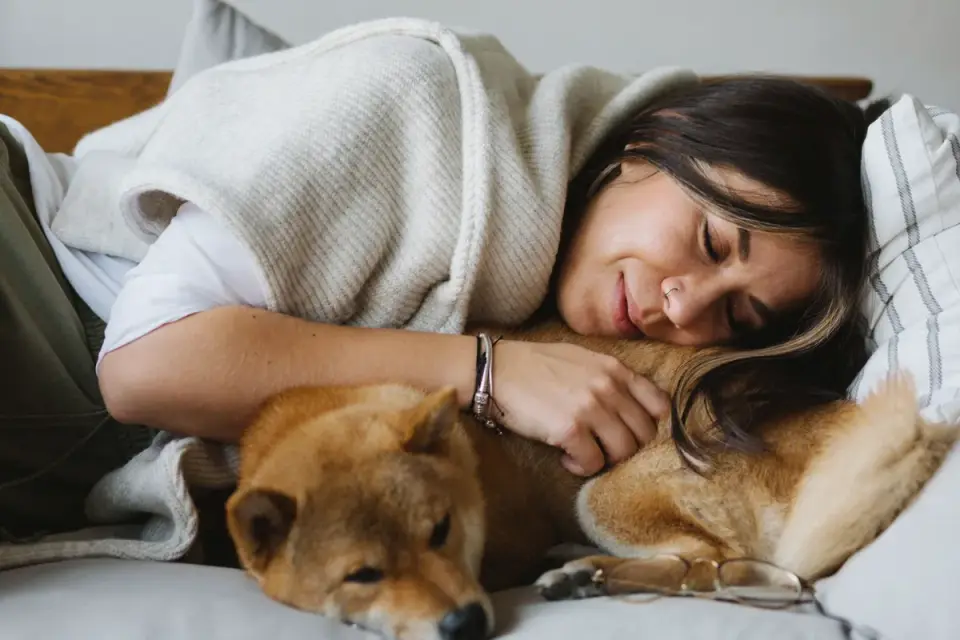
That distinction matters because punishment increases stress without reducing urgency. If your dog hides to urinate, review our A First Week Plan for a Dog That Hides From Visitors for low-stress handling principles, but do not apply them as a substitute for a urinalysis.
The early signs to track for your vet
For two to three days, keep a simple baseline log: time out, volume estimate, color, odor, straining yes or no, and where accidents happen. Bring a fresh sample if your clinic advises it. This baseline helps your veterinarian separate a true infection from heat-related spotting, incontinence after spaying, stones, or stress-related frequency.
Call promptly for straining with little urine, visible blood, crying to urinate, lethargy, vomiting, loss of appetite, fever, or a painful abdomen. Female puppies with recurrent infections, senior dogs with new incontinence, and any dog that cannot pass urine need same-day care.
In the exam room I expect a history, physical exam including vulvar conformation and palpation, urinalysis, and often urine culture to confirm bacteria and guide treatment. Imaging or bloodwork may follow for recurrent cases. That stepwise workup is why I ask owners to avoid cranberry powders, apple cider vinegar, or leftover antibiotics at home — they can mask signs without clearing infection.
What medical rule-outs change the plan
Not every frequent squat is an infection. Intact females in proestrus may lick and spot blood, which confuses owners; if you have questions about development, see When Do Female Dogs Stop Growing in Size?. True aggression around handling when the belly or hind end is touched is another red flag for pain — learn what warrants referral in Signs of True Aggression and When to Get Professional Help.
Where stress does contribute to indoor accidents, keep routines predictable first: scheduled outings, quiet potty spot, calm praise for going outside, enzymatic cleanup indoors. If anxiety persists after the urinary issue is resolved, the comparison in Boredom vs Separation Anxiety: How to Tell the Difference can help you describe the remaining behavior accurately at a recheck.
What to expect after diagnosis
Your veterinarian will set the timeline based on culture results and severity. Most uncomplicated cases improve quickly once appropriate treatment starts, but finish the full course and return for the recheck urinalysis even if accidents stop. My preventive counsel is simple: more water access, frequent potty breaks, prompt outings after naps and play, gentle vulvar hygiene only as directed, and weight management to support comfortable posture and complete emptying.
If accidents continue after a normal recheck, ask about re-evaluation for stones, anatomic factors like a hooded vulva, hormone-responsive incontinence, or concurrent behavior triggers. Structure your notes around what changed, when, and how much — that expectation-first record shortens the path to an answer and may help support low-stress handling at future visits.
Frequently asked questions
How can I tell a UTI from a housetraining regression in a female dog?
A UTI is more likely when accidents are new, frequent, and small-volume with straining, licking, odor change, or blood. A training issue is more likely with normal volume, normal effort, and clear triggers like schedule changes. A urinalysis settles it.
Should I collect urine at home before the appointment?
Ask your clinic first. Many prefer a sterile cystocentesis sample for culture, while others accept a clean midstream free-catch sample collected within a few hours and kept cool.
Can I try cranberry or home remedies first?
I do not recommend delaying care to try home remedies. They do not replace diagnosis and culture-guided treatment, and waiting can let infection ascend toward the kidneys.