How Do Researchers Measure Gait Changes in Aging Dogs?
How labs track stride, load, and pain scores in senior dogs — and what owners can watch at home.
Researchers measure gait changes with timed walks, pressure mats, and joint scores — here's what each test shows.
On this page
Annette first noticed it when Dimitri, her 13-year-old neutered male Australian Cattle Dog in Green Bay, Wisconsin, started taking two short steps where he used to take one long stride on the kitchen tile, then needed about six seconds to push up from his bed.
That kind of small shift is exactly what gait labs try to turn into numbers. Researchers do not rely on a single glance. They combine timed function, ground forces, and validated owner questionnaires, then look for change over weeks.
What to watch before the vet visit:
- Stride and symmetry: shorter steps, head bob, or one hind leg swinging wider
- Rise and transition time: seconds to stand, hesitation on stairs or car ramps
- Daily distance and rest breaks: same route, more pauses, slower pace
- Load shifting: leaning forward, sitting crooked, licking one joint
- Mouth and posture link: dropped food, head-low stance, reluctance to chew hard treats alongside stiffness
Those five checks map directly to how labs grade mobility.
How timed walks capture slowing
The simplest research tool is also the most owner-friendly. Dogs walk a set distance, often 10 to 30 meters, or walk for six minutes while observers record speed, stops, and stride count.
Speed matters because it reflects comfort and muscle. A dog that protects a sore hip shortens stride length and increases stride frequency to keep balance. Labs film from the side and overhead to count footfalls and note asymmetry.
At home, Annette can use the same logic. Walk the same block, note total time and number of rest breaks, and record seconds needed to rise. Vets often see that owners who bring three dated walks get clearer plans than owners who report “he seems slower.”
What force plates and pressure mats add
Observation catches pattern. Force measurement catches load.
In a gait laboratory, a dog walks across a force plate or pressure-sensitive walkway that records peak vertical force and impulse for each limb. A sore leg pushes less and for a shorter time, and the opposite leg takes more. That left-right difference is reported as a symmetry index.
The American College of Veterinary Surgeons describes osteoarthritis in dogs as a loss of cartilage and joint function that produces stiffness, lameness, and altered loading, which is why objective load data helps confirm what an exam suggests.
This is strong evidence for describing how a dog moves on that day. It is thinner for predicting long-term aging on its own, because weight, speed, nail length, and a slippery surface all shift the numbers. Good labs therefore standardize speed and repeat trials, usually three to five clean passes per session.
Why pain scores still count
Machines do not feel pain. Validated questionnaires fill that gap by asking owners about function over the prior week or month.
Two tools dominate canine work: the Canine Brief Pain Inventory for pain severity and interference, and the Liverpool Osteoarthritis in Dogs questionnaire for daily mobility. The Liverpool tool was developed and tested for canine osteoarthritis, as documented in the National Library of Medicine record for the LOAD validation study, and later studies use it to track change after weight management or medication.
Scores may help support decisions about exercise, weight, joint nutrition, and veterinary rechecks. They do not diagnose arthritis by themselves. The Merck Veterinary Manual overview of osteoarthritis in dogs and cats places history and owner-reported function alongside exam and imaging, which matches how researchers use these forms.
Where the mouth meets movement
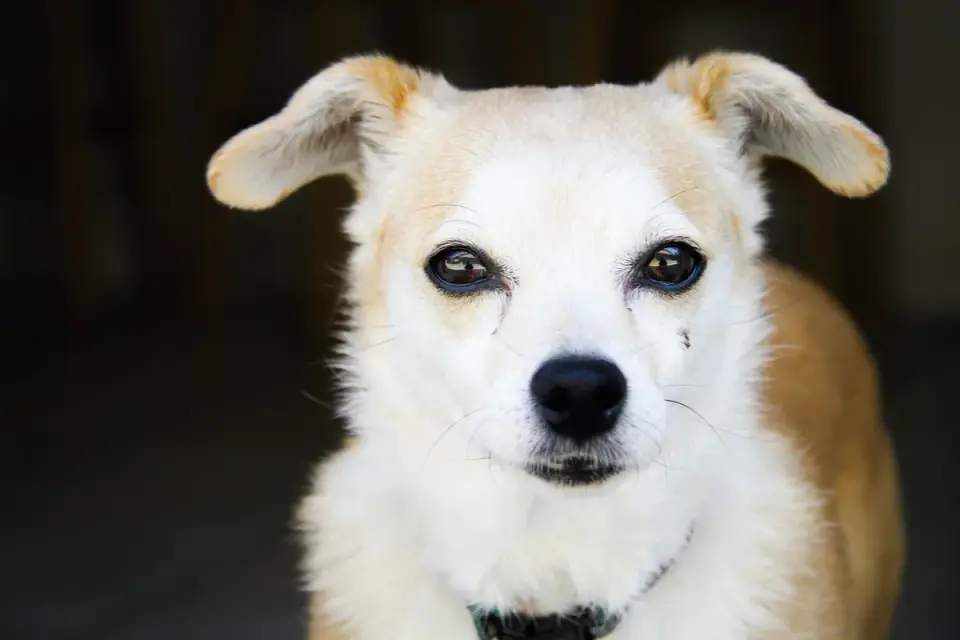
Periodontal disease supports a different kind of gait change. A dog with sore gums or a loose tooth often carries the head low, chews on one side, drops food, and braces the forelimbs to avoid jarring the head on stairs.
That posture can look like shoulder or neck stiffness. The oral-systemic link here is plain: plaque drives gum inflammation, gum inflammation supports persistent low-grade immune activity, and mouth pain changes how the whole dog loads its legs. Dental care does not treat arthritis, but it supports normal chewing, head carriage, and willingness to move, which makes later gait readings cleaner.
When a claim outruns the periodontal data, I set it aside. Mouth health supports comfort and function. It does not rebuild cartilage.
For owners tracking early aging shifts, the Early Signs of Aging in Dogs: What Actually Changes First guide pairs well with these gait checks, and Why a Dog’s Back Legs Give Out — and What Actually Helps helps sort joint stiffness from neurologic weakness.
A steady home log — same surface, same distance, rise time in seconds — gives the veterinarian usable trend data, not just a single stiff morning.
Frequently asked questions
Can I measure gait changes at home without lab equipment?
Yes. Time the same walk, count rest breaks, and time rises from lying down. Keep surface and leash length consistent and share dated notes with your veterinarian.
Why do researchers use both machines and questionnaires?
Force plates show how load shifts between legs on test day, while validated owner scores show pain and function over weeks. Together they give a fuller picture than either alone.
Does dental pain really affect how a dog walks?
It can affect posture and willingness to move. Dogs with mouth pain may carry the head low and brace the front legs, which alters stride. A dental exam helps separate that effect from joint disease.
Sources
- Osteoarthritis in Dogs — American College of Veterinary Surgeons
- Development and Validation of a Questionnaire to Assess the Severity of Osteoarthritis in Dogs — National Library of Medicine record for the LOAD validation study