7 Ways Sleep Patterns Change in Senior Dogs
Learn how aging shifts sleep in senior dogs, what nighttime waking means, and when to call your vet.
Senior dogs sleep more lightly, wake more often, and need steady routines that protect rest.
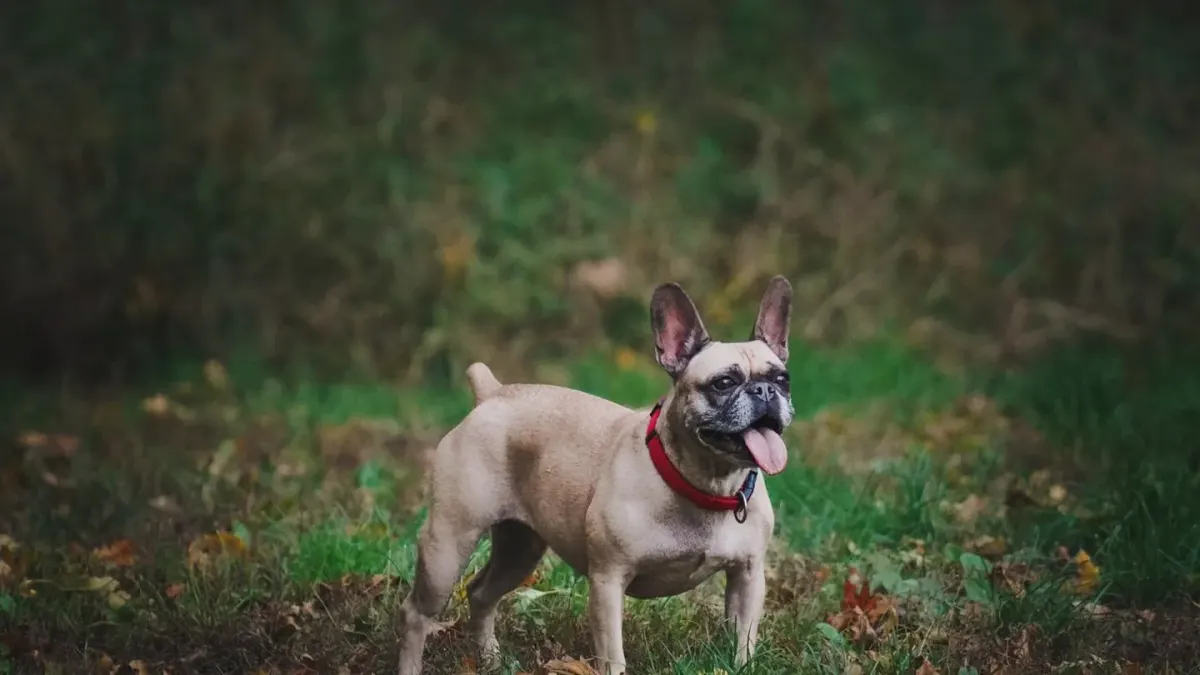
Miya, a 12-year-old spayed Bernese Mountain Dog, started pacing at 2 a.m. in her Costa Mesa home. Her owner Ricky counted three wake-ups in one night after months of quiet sleep.
That shift is common with age. Total rest increases while deep rest often decreases. Plan for more daytime naps and more nighttime interruptions.

What aging changes first
Track sleep for three nights before you change anything. Note bedtime, wake times, panting, pacing, and bathroom trips. Bring that log to the visit if the pattern is new or worsening.
Older dogs often cycle between light sleep and waking more often. They may doze most of the day and still seem restless at night. Pain from arthritis can shorten each sleep bout. That link between mobility pain and rest explains why many owners also notice stiffness on rising, a topic covered in Why a Dog’s Back Legs Give Out — and What Actually Helps.
Keep daytime activity steady. Offer short walks, sniff time, and gentle play in morning light. Avoid long midday naps that push wakefulness into the night.
Support joints, bladder, and brain
Give the last water and bathroom break on a fixed schedule. Add a non-slip bed in a warm, quiet corner away from hall traffic. Use nightlights near the door and yard path.
Check comfort first when sleep breaks down. Stiff joints make it hard to settle, turn, or stand to go out. Cold can amplify that effect, as explained in Does Cold Weather Make a Senior Dog Seem More Stiff and Slow Than Usual?. Ask your veterinarian about pain screening before you try a supplement or a new bed alone.
Follow guidance on nighttime behavior in older dogs from Merck Veterinary Manual. It describes altered sleep-wake cycles, increased anxiety at night, and reduced response to cues. Those signs point toward medical or cognitive causes rather than stubborn behavior.
Watch for Sundown-type signs. Pacing, staring, getting stuck in corners, and house-soiling in a previously trained dog deserve prompt review. Cognitive change is summarized for owners by Texas A&M School of Veterinary Medicine & Biomedical Sciences as disorientation, altered interactions, and altered sleep-wake cycles. Early screening helps rule out pain, urinary disease, hypertension, and medication effects.
When my usual routine is the wrong call
My recommendation is simple: protect the schedule, protect the joints, and screen for disease. That approach helps most seniors with fragmented sleep.
It fails when the cause is urgent. Do not push more exercise if breathing is labored, cough interrupts rest, or the dog cannot settle without panting.
Call sooner for sudden change. Same-day care is warranted for repeated nighttime vomiting, collapse, pale gums, extreme thirst, or loss of hind-leg function, a red flag reviewed in Dog Hind Leg Weakness: A Neurologist’s Checklist for Sorting Out the Cause. Practical home steps for established behavior cases are also reviewed by American Veterinary Medical Association, which emphasizes consistent routines, environmental support, and veterinary follow-up.
What would one calmer night tell you about pain, timing, or habit?
Frequently asked questions
How much do senior dogs normally sleep?
Many seniors rest 16 to 20 hours in a 24-hour period, broken into naps and overnight sleep with brief awakenings.
When should nighttime waking trigger a vet visit?
Call when waking is sudden, frequent for more than three nights, or paired with pacing, house-soiling, panting, thirst, or stiffness.
Sources
- Canine Cognitive Dysfunction — Texas A&M School of Veterinary Medicine & Biomedical Sciences