How Strong Is the Evidence for Devil's Claw in Dogs?
Devil's claw is popular for joints, but canine data are thin. Learn what human and lab research shows, safety concerns, and what to prioritize instead.
Devil's claw evidence in dogs is thin, so cost and vet access should guide you more.
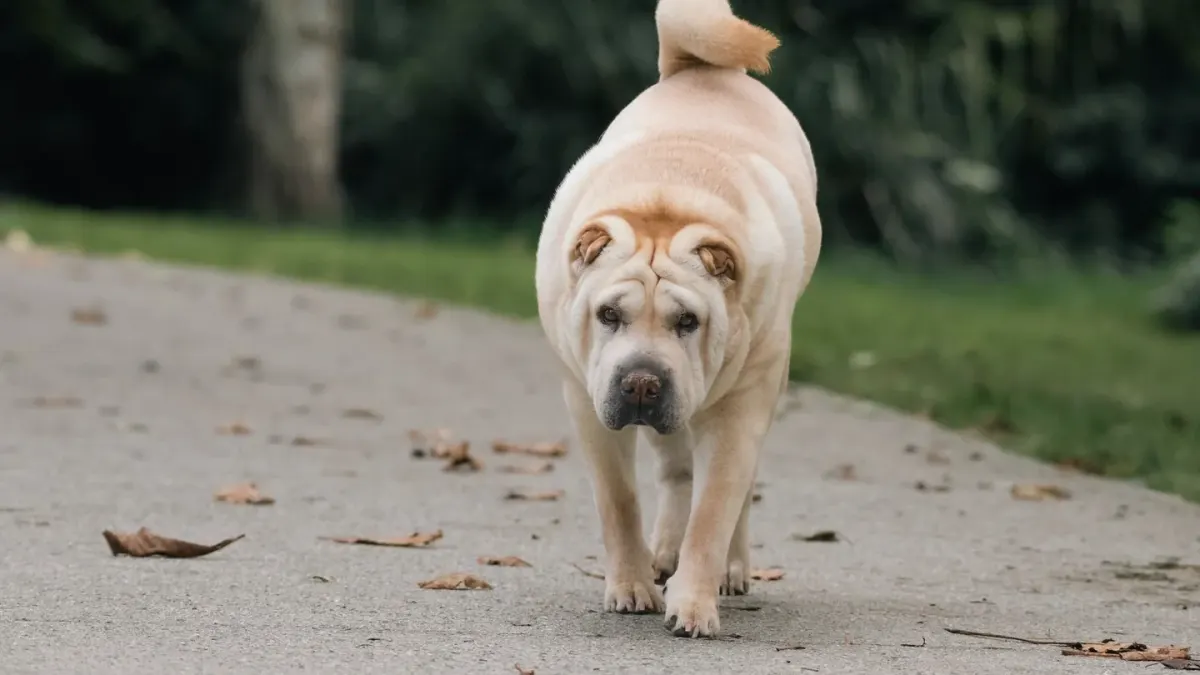
A senior mixed-breed dog, about 11 years old and 68 pounds, hesitates at the bottom of two carpeted stairs every evening. She will go up for meals, but she pauses, shifts weight off her left hip, then climbs in a rush. Her owner, juggling work and a tight budget, asks whether a bottle labeled with devil’s claw could help her move more comfortably and whether it is worth the price compared with a vet visit.
Here is my verdict: I do not recommend devil’s claw as a first-line joint support for dogs. The direct canine evidence is essentially missing, the human evidence is modest and mixed, and safety questions around stomach, heart, and drug interactions matter. Supplements support wellness, not replace medicine.
Run any devil’s claw product through this checklist first:
- Is there a dog study behind the claim, not just human or rat data?
- Is harpagoside content stated, with a lot number and third-party testing?
- Has a veterinarian screened for ulcers, heart disease, diabetes, pregnancy, and NSAID or blood-thinner use?
- Is the cost lower than proven supports you could buy or do instead?
- Is there a 4- to 6-week plan to track stairs, rises, and walk distance?
What devil’s claw is claimed to do
Devil’s claw root (Harpagophytum procumbens) contains iridoid glycosides, mainly harpagoside, proposed to help support a normal inflammatory response and joint comfort. In traditional use and in human low-back and osteoarthritis trials, extracts are studied for short-term comfort and mobility.
The problem is translation. According to the National Center for Complementary and Integrative Health, human studies suggest small benefits for low-back discomfort for some extracts, but evidence for osteoarthritis is limited and product quality varies widely. That is a thin bridge to an older dog with hip osteoarthritis, different metabolism, dosing, and risks.
The European Medicines Agency assessment of devil’s claw root similarly describes traditional use for minor joint discomfort and digestive complaints, not a well-established veterinary indication with controlled canine efficacy data. Traditional use is not the same as proof in dogs.
Why canine evidence stays thin
I searched for what owners actually want: a randomized, placebo-controlled trial in dogs with arthritis, with force-plate, activity, or validated pain scores. I did not find one that holds up.
What we do have is human trials with different extracts and doses, plus laboratory and rodent work on inflammatory pathways. The Cochrane Back and Neck Group review of herbal medicine for low-back pain found some support for standardized devil’s claw extracts for acute low-back episodes, but with heterogeneity and modest effect sizes. That cannot tell us a safe or effective dose for a 20-pound Beagle versus a 90-pound Shepherd.

A mid-life herding mix, 6 years old, started a bulk powder with devil’s claw after the owner stopped a proven joint chew to save money. For three weeks the owner counted night-time restlessness: 5 restless nights the first week, 4 the second, 6 the third, with no change in morning stiffness. The tradeoff became clear on week four when the dog vomited bile twice and skipped breakfast. The owner stopped the powder, called the clinic, and learned the dog already had a history of sensitive stomach and was due for an NSAID trial. Cheap per scoop was not cheap once access and monitoring were factored in.
That pattern is common. Bitter herbs can irritate the stomach, which matters for dogs already prone to gastritis or taking NSAIDs, corticosteroids, or anticoagulants. Reported human concerns include stomach upset, diarrhea, headache, blood pressure and heart rhythm effects, and lowered blood sugar. Pregnant dogs, dogs with ulcers, gallstones, heart arrhythmia, or diabetes should not get it without direct veterinary oversight.
What I prioritize before the ideal
Weigh the cost and the access before the ideal. A supplement supports wellness, not replaces medicine.
For a dog struggling with stairs at night, I prioritize weight control, traction and ramps, consistent low-impact walks, and a vet exam to stage pain. For oral support, glucosamine, chondroitin, and green-lipped mussel have more canine-specific study history, even if results are mixed. You can read how I frame those tradeoffs in Natural Anti-Inflammatory Options for Dogs With Arthritis: What the Evidence Actually Shows and Glucosamine for a Dog Struggling With Stairs at Night: What the Evidence Actually Supports.
A small terrier mix, described only as an adult rescue around age 8, shows where the usual advice has to bend. The owner lived 42 miles from the nearest clinic with evening hours and could not get a recheck for three weeks. Instead of ordering devil’s claw online, she used that window to track what the vet could use later: time to rise from a rug, number of pauses on a 0.4-mile loop, and stair hesitation score. She added a non-slip runner, split food to trim weight, and kept the dog on its current vet-approved plan. When the visit happened, that log made the pain assessment faster and clearer.
If an owner still wants to try devil’s claw after that discussion, I ask for label transparency using the same bar in Dog Joint-Support Supplement Label Disclosure Checklist: species-specific dosing, harpagoside standardization, heavy-metal and adulterant testing, lot number, and a clear stop date. No vomiting, diarrhea, inappetence, or behavior change gets ignored.
Short and plain: without canine dosing and safety data, devil’s claw is an experiment you pay for.
Frequently asked questions
Can dogs take devil's claw safely?
Safety in dogs is not well established. Stomach upset, interactions with NSAIDs, steroids, blood thinners, heart drugs, and diabetes drugs are concerns in people, so ask your veterinarian first, especially with ulcer, heart, or gallbladder disease.
What dose of devil's claw works for dogs?
There is no validated canine dose. Human products vary widely in harpagoside content and cannot be converted by weight alone. Do not dose from a human label.
How long before I would see anything?
There is no canine timeline to cite. If a vet approves a trial, track stairs, rises, and walk distance daily for 4 to 6 weeks and stop if there is vomiting, diarrhea, or loss of appetite.
Sources
- Herbal medicine for low-back pain — Cochrane Back and Neck Group