How To Introduce An Anxious Resident Dog To A New Kitten Safely
A veterinarian's step-by-step plan for introducing an anxious dog to a new kitten, with scent swapping, barriers, calming support, and bodywork alongside training.
I would introduce an anxious resident dog to a kitten in slow, scent-first stages that protect both animals.

On this page
A six-year-old, 48-pound cattle dog mix hears the carrier zip and starts pacing before the kitten ever appears, panting, lip-licking, unable to settle even for cheese. Three weeks in is when her owner finally sees the shift she wanted: the dog chooses her bed instead of crowding the bathroom door where the kitten is housed. That choice is the whole goal of this introduction. Not friendship on day one, but a dog who can disengage.
My verdict for anxious resident dogs is simple: run a slow, barrier-first introduction alongside conventional training and veterinary guidance, with manual-medicine support like acupuncture, Tui-na bodywork, and predictable rest routines layered in. Calming supplements may help support relaxation during the process, they never fix arousal by themselves.
The checklist I want every owner to start with:
- Give the kitten a closed home base with litter, food, water, and hiding places for at least the first 7-10 days
- Keep the dog’s routine intact: same walks, meals, and sleep spot
- Swap scent before sight: blankets, worn T-shirts, then room swaps without direct contact
- Do all early exposures on leash or behind a tall baby gate, dog calm enough to take treats
- Keep sessions under 3-5 minutes and end while the dog is still under threshold
- Teach a single disengage cue like “away” or “place” and reward looking away from the kitten
- Track sleep, appetite, and arousal daily; do not advance stages if stress signs climb
- Call your veterinarian if anxiety escalates to anorexia, panic, redirected aggression, or prey-drive fixation
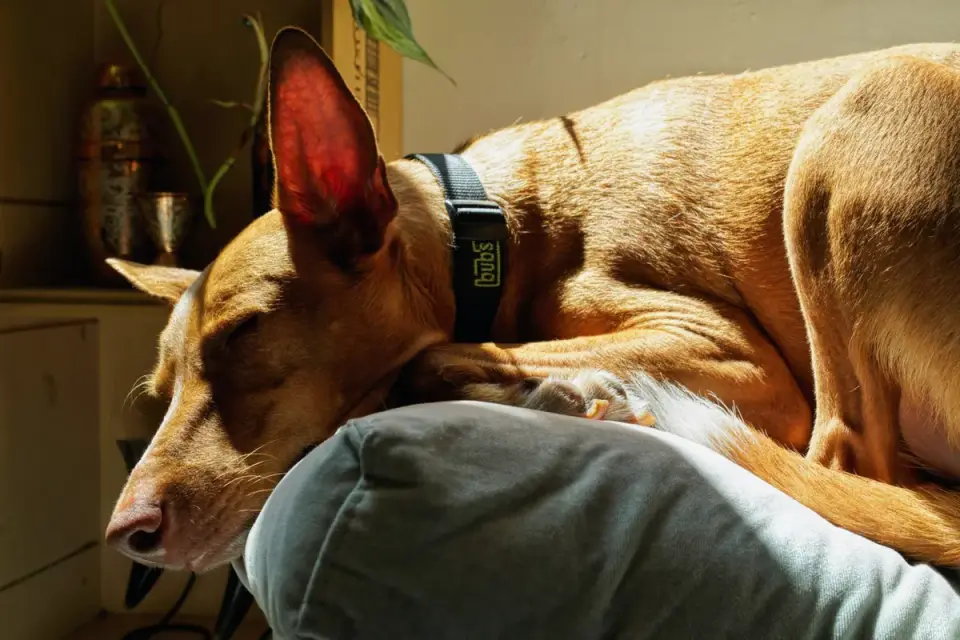
Why Anxious Dogs Struggle More With A Kitten In The House
An anxious dog is already running hot. Add novel smell, high-pitched movement, and disrupted routine, and arousal spills over into chasing, whining, or shutdown. The mechanism is not disobedience. Novelty raises sympathetic tone, sleep fragments, and impulse control drops.
This is where I run manual-medicine counsel alongside conventional care. Desensitization and counter-conditioning remain the core behavior plan. Around that core, steady pressure from Tui-na style stroking along the shoulders, a quiet mat for acupressure rest, and chiropractic-informed posture checks may help support general comfort and body awareness. That combination steadies the nervous system enough for learning, but it does not replace training or veterinary assessment.
Scent Before Sight, Then Sight Without Access
Start with complete separation. Let the dog sniff a kitten blanket on the floor while you reward calm investigation, then return the dog’s blanket to the kitten room. After two to three days of neutral responses, trade spaces: kitten secured elsewhere, dog explores the hallway, then reverse. You are building a scent map before anyone has to manage movement.
Only then add protected sight. A tall gate covered three-quarters with a sheet works well. Feed the dog at distance, reward glances away, and close the visual gap over days. If the dog cannot eat, barks continuously, or fixates, you moved too fast. Drop back a stage.
A failed approach I see often involves a well-meaning owner who skips this middle step. One household with a four-year-old, 62-pound pit mix tried a living-room “meet and greet” on day two because the dog had lived politely with an older cat years earlier. By day 10 the dog was drooling at the kitten-room door and refusing breakfast, while the kitten stopped using the litter box. They had to restart with full separation for another two weeks. The tradeoff was clear: rushing for early reassurance cost them more total time than a slow start would have.
What Calming Ingredients Can Realistically Do Here
Supplements are tools that may help support calm behavior during training, not fixes for prey drive or panic. I grade them on the same evidence-first rubric I use for joint support: what was studied, in whom, and where it stops.
L-theanine is an amino acid found in tea that has been studied for its calming properties, and human reviews note context like “except for one study on psychotic anxiety (SMD = 0.54; 400 mg/day for 8 weeks)” reported in Molecular Psychiatry. That does not translate to a dog-and-kitten dose. Chamomile and related herbs sit in a similar place: “For the remaining species, evidence is derived mainly from preclinical studies or traditional use” as summarized in MDPI Biomedicines. For ashwagandha, “A systematic review analyzed multiple RCTs and concluded that ashwagandha has a moderate positive impact on stress reduction and cognitive performance” in Cureus, again largely outside canine introduction work.
My takeaway is narrow. A quality calming chew with familiar ingredients, discussed with your veterinarian, may help support steadier arousal while you do the separation and reward work described in Dog Calming Chews: What the Ingredients Actually Do, and Where I Draw the Line. It will not teach disengagement.
The strongest counterargument is that supplements distract from training and waste money during a critical socialization window for the kitten. I take that seriously. My answer is sequencing: management and training first, veterinary input second, and only then a simple supplement trial if arousal still blocks learning. For background on how those formulas compare, see Chamomile vs L-Tryptophan for Calming Dogs: What the Evidence Actually Says.
Short paragraph that matters. If your dog cannot break gaze, no chew will override that.
Supervised Contact And Living Together Without Conflict
Do not allow free access until you have a week of boring gate sessions: dog notices kitten, orients to you, eats, and settles. Then try parallel time with the dog on leash and the kitten free to retreat to a perch or hide. Keep the leash loose. Reward the dog for choosing distance.
An edge case changes the calculus for small, senior dogs. A nine-year-old, 18-pound shih tzu with stiff hips did beautifully at gates but guarded his orthopedic bed once the eight-week-old kitten started bouncing onto it by week three. The fix was not more exposure. It was environmental: a second dog bed in a kitten-free corner, plus a heated kitten hide across the room so the kitten stopped seeking the dog’s warmth. Pain and resource value, not prey drive, were driving tension. When mobility or rest is limited, protect sleep first and revisit introductions with your veterinarian, much as you would prepare for other stressors in How to Prepare Your Dog for a Vet Visit to Reduce Fear.
Keep kitten nails trimmed, provide vertical escape routes, and never leave them alone together until the dog reliably disengages for at least a month. Most households need three to six weeks. Anxious dogs often need longer, and that is normal.
Frequently asked questions
How long should I keep my anxious dog and new kitten separated?
Plan on full separation for at least 7-10 days, then gradual gate exposures for several weeks. Advance only when the dog can notice the kitten, take treats, and look away calmly.
Should I use a calming supplement for the introduction?
It can be a supporting tool alongside separation, training, and veterinary advice, not a substitute. Ask your veterinarian whether a simple formula fits your dog's health history.
Sources
- Biomedicines Herbal Review for Anxiety and Stress — MDPI Biomedicines
- Systematic Review of Ashwagandha for Stress — Cureus
- L-Theanine Meta-Analysis in Anxiety — Molecular Psychiatry