Is Acepromazine Safe For Calming Dogs During Travel
Acepromazine sedates but doesn't relieve anxiety in dogs. Learn travel risks, safer options, and an integrative calming plan.
Acepromazine quiets movement without easing fear, so travel calm needs a safer, whole-patient plan.
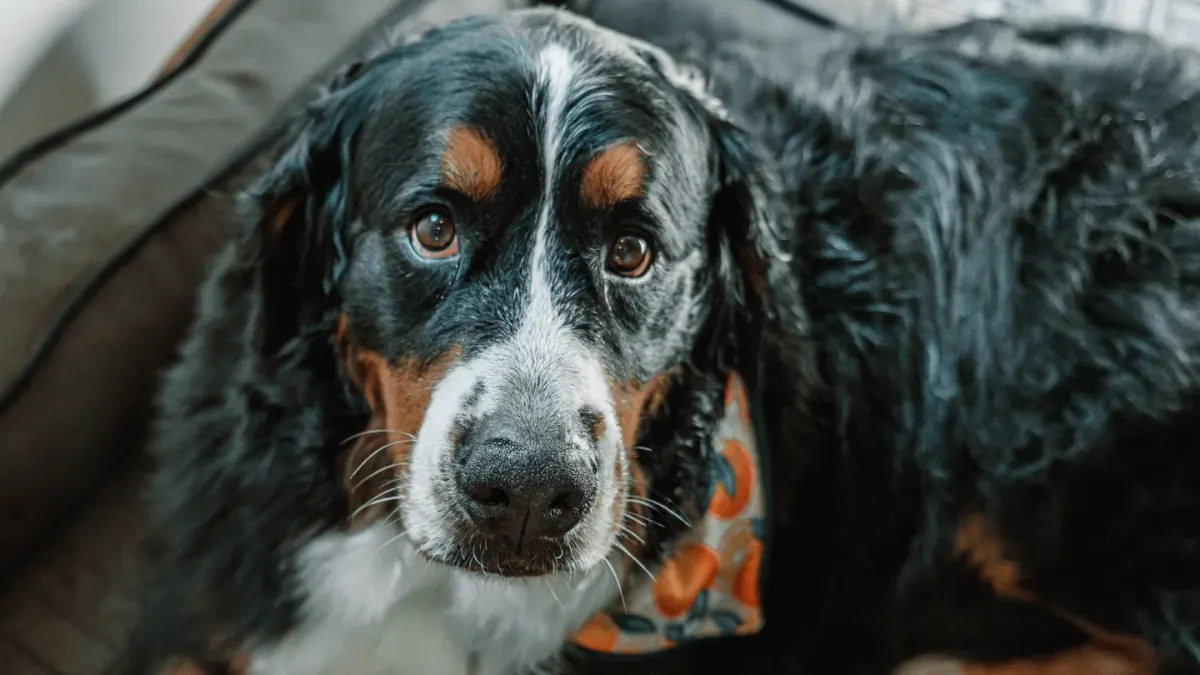
You are buckled for a six-hour drive to the coast, and your four-year-old, 62-pound Lab mix is already drooling, pacing the hallway, and whining at the suitcase. He is not disobedient. He is braced, chest tight, ears pinned, and you are wondering whether that old prescription for acepromazine in the cabinet would just make the trip easier for both of you. It is a concrete decision many owners face in the driveway, and my answer is direct: I do not reach for acepromazine for travel anxiety.
My verdict is that acepromazine may produce stillness, but it does not support calm. According to VCA Hospitals, acepromazine is a phenothiazine sedative that decreases consciousness and movement without reliably reducing fear, which means a dog can appear sleepy while still feeling the noise, motion, and confinement of travel. That mismatch is why I leave it out of an integrative travel plan built from acupuncture principles, Chinese herbal pattern work, food therapy, and Tui-na bodywork alongside Western behavior and structure/function support.
Why sedation is not the same as calm
Acepromazine works on dopamine pathways to blunt arousal and motor activity. It does not work like an anxiolytic that may help support a balanced stress response. In plain Western terms, the engine idles lower but the alarm keeps ringing. In Eastern pattern terms, travel fear often looks like Heart Shen disturbance with Liver Qi constraint — panting, restlessness, clinginess, digestive upset — and heavy chemical restraint does not settle that pattern, it only covers it.
Paradoxical excitement, low blood pressure, prolonged grogginess, and impaired thermoregulation are practical tradeoffs on the road. A sedated dog cannot reposition well, respond to overheating in a car, or learn that travel is safe.
I learned this tradeoff with a seven-year-old, 48-pound cattle dog mix who had been given a sedative for a cross-state move three weeks in. By day 10 after arrival she was still startling at car keys, and her owner reported she had stumbled on the hotel stairs the night they dosed her yet panted through the whole night. The legs were heavy. The worry was untouched. That split — quiet body, loud mind — is exactly what makes me reject acepromazine as a travel calmative.
What may help support travel ease instead
A whole-patient plan starts weeks before departure when you can. Short, neutral car sessions paired with food therapy staples your dog already tolerates, gentle Tui-na along the back and ears to encourage settling, and consistent departure cues help build a different expectation. Acupuncture or acupressure points for Shen support are part of my four-pillar approach in clinic, selected by pattern, not as a one-point recipe.
For oral support, the evidence is modest and ingredient-specific, so I grade carefully. MDPI publishes a review noting that “For the remaining species, evidence is derived mainly from preclinical studies or traditional use.” That line keeps me honest about herbs like chamomile: traditional use for relaxation is long, canine travel data are thin. Cureus publishes a systematic review that found “A systematic review analyzed multiple RCTs and concluded that ashwagandha has a moderate positive impact on stress reduction and cognitive performance,” but that work is largely human, not dogs in cars.
You can read how I weigh those ingredients in Dog Calming Chews: What the Ingredients Actually Do, and Where I Draw the Line and in Chamomile vs L-Tryptophan for Calming Dogs: What the Evidence Actually Says. If your dog also struggles at clinics, the handling principles in How to Keep a Dog Calm During a Vaccine Shot or Blood Draw transfer well to rest stops and ferry lines.

The counterargument I take seriously
The strongest pushback is practical: what if nothing else has worked and the dog injures itself trying to escape a crate at 70 miles per hour. Safety matters.
I still land against acepromazine for that drive. A dog that cannot coordinate but remains panicked is at risk for falls, overheating, and learned fear that gets worse next trip. If anxiety is severe, talk with your veterinarian before travel about true anxiolytics and a behavior plan, rather than reaching for leftover sedation. Prescription decisions, timing, and monitoring belong in that exam-room conversation.
The edge case that changes my advice is the senior traveler. An eleven-year-old, 34-pound beagle I followed could no longer jump into the SUV by week three of a joint-support plan, and his owner assumed sedation would help him rest on a long ride home. What he needed was joint comfort, non-slip footing, frequent potty breaks, and a cooler, quieter crate setup. Once pain and slipping were addressed, his whining dropped within two rest stops. Older dogs often look anxious when they are uncomfortable, nauseous, or overheated, and sedation hides those signals.
Talk with your veterinarian early, test any approved support at home first, and keep travel days boring, cool, and predictable. Calm is learned through the body, not forced upon it.
Sources
- Acepromazine — VCA Hospitals
- Biomedicines chamomile review — MDPI
- Ashwagandha stress review — Cureus