L-Tryptophan for a Dog Anxious at the Groomer: What It May Support
A plain-spoken guide to L-tryptophan for grooming anxiety — mechanism, evidence limits, timing, and a practical groom-day plan.
Tryptophan might support calmer grooming visits for an anxious dog, but routine and timing carry the result.
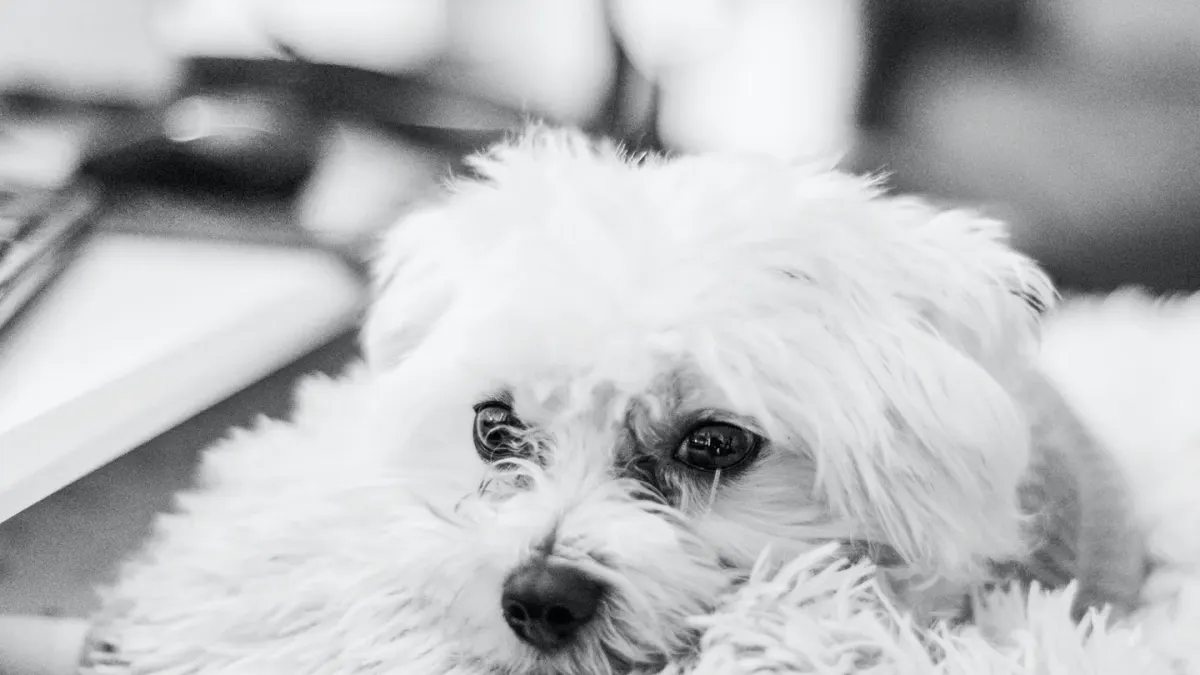
The van pulls up and a six-year-old, 42-pound cockapoo starts whining at the window, licking his lips and pacing from door to couch. His owner wonders whether to give an L-tryptophan chew that morning to take the edge off the clippers, the dryer, and the table. That decision — give something now and hope for a quieter appointment — is where most groomer anxiety plans start, and where they usually need more structure. L-tryptophan may help support relaxation, but it works best as one piece beside handling, timing, and a conventional workup for pain or skin disease.
Three weeks in of monthly grooms, the same pattern repeats: panting in the lobby, trembling on the table, then exhaustion at home by day 10 after each cycle when the owner finally books the next visit. In TCVM terms I still check the whole patient — Shen disturbance from noise and restraint sitting beside a conventional exam for otitis, matting pull, or hip stiffness that makes standing hurt. Set meridian logic comfortably beside a conventional workup, and the question shifts from “will tryptophan sedate him?” to “what is driving arousal, and what may help support a calmer baseline?”
Where the stress really comes from
Grooming stacks triggers. Restraint, high tables, clippers vibrating near ears, forced dryer air, strangers handling feet and face. Give the chew too late, skip a walk, arrive rushed, and arousal is already high.
Do this instead. Book a quieter slot. Walk 20 minutes beforehand. Bring a lick mat. Ask for breaks. Keep departures boring. Track what helped.
L-tryptophan is a dietary amino acid precursor in the serotonin pathway. The logic is straightforward: supply precursor to may help support normal serotonin activity and calm behavior. The direct canine grooming evidence is thin, which is why I keep expectations realistic and pair any supplement with training.
My position: try it as support, train for the outcome
I recommend a short, evidence-bounded trial of L-tryptophan-containing calming support for predictable groomer fear, paired with desensitization — not as a solo fix. The strongest counterargument is fair: acute grooming panic often needs prescription anxiolysis or a groom-plan change, and a precursor amino acid will look weak by comparison.
I still land here because the risk profile of a quality chew is manageable for most healthy dogs, the routine around it teaches the dog something durable, and owners actually follow through. For context on how this ingredient compares, see Chamomile vs L-Tryptophan for Calming Dogs: What the Evidence Actually Says and Dog Calming Chews: What the Ingredients Actually Do, and Where I Draw the Line.
The broader calming literature shows the same pattern of modest, context-dependent findings. A systematic review found that ashwagandha evidence, summarized by Cureus as “A systematic review analyzed multiple RCTs and concluded that ashwagandha has a moderate positive impact on stress reduction and cognitive performance,” remains general rather than groom-specific. Chamomile data are even more limited: “For the remaining species, evidence is derived mainly from preclinical studies or traditional use,” as noted by MDPI. And for L-theanine, often paired with tryptophan, one signal came “except for one study on psychotic anxiety (SMD = 0.54; 400 mg/day for 8 weeks)” reported by Molecular Psychiatry.

That is why I grade tryptophan as plausible support for mild to moderate unease, mixed for true panic.
How to run the groom-day plan
A four-year-old, 18-pound terrier mix got a tryptophan chew 30 minutes before drop-off and nothing changed — still barking, spinning, and mouthing the lead. The owner had skipped breakfast, arrived late, and asked for a full cut with nails after three missed appointments. By day 14 the groomer reported the dog shut down, not calmer. The tradeoff was clear: a late single dose cannot offset hunger, time pressure, and an over-long session. Shorten the service, feed a light meal two hours out, and test timing on a calm day first.
Follow this order. Confirm with your veterinarian that a calming chew fits your dog’s diet and drugs, especially serotonergic prescriptions. Choose a product with a transparent panel and lot control. Give per label, usually 60–90 minutes before the trigger, not at the door. Pair with a two-minute handling rehearsal daily: ears, paws, dryer sound at low volume, reward for stillness. Keep the appointment short. Debrief with the groomer.
A nine-year-old, 65-pound Labrador with stiff hips shows the edge case. She stands quietly for brushing at home but pants and sits repeatedly on the grooming table by minute 15, then limps that evening. That is less about worry and more about pain from prolonged standing on a slick surface beside dryer heat. For seniors, ask for a non-slip mat, frequent lie-down breaks, and a vet check for orthopedic pain before adding any calming ingredient. Preparation lessons from vet handling also transfer — see How to Prepare Your Dog for a Vet Visit to Reduce Fear.
Watch response for two to three grooms. Note drooling, yawning, lip-licking, avoidance, and recovery time at home. If fear escalates, stop repeating exposure and ask your veterinarian about behavior referral or situational medication.
Frequently asked questions
When should I give L-tryptophan before the groomer?
Follow label directions and your veterinarian's advice, typically 60-90 minutes before the appointment so handling and intake are already calm. Test timing once on a non-groom day.
Will tryptophan sedate my dog for grooming?
No. It may help support relaxation as part of a plan, but it is not a sedative. Dogs with panic, bite risk, or pain-related aggression need a veterinary plan first.