Opened Dog Probiotics and Shelf Life: What Still Counts as Fresh
How long an opened dog probiotic lasts, why potency fades after opening, and how to store, check, and replace it.
An opened probiotic keeps its label strength only when you limit heat, moisture, and time.
On this page
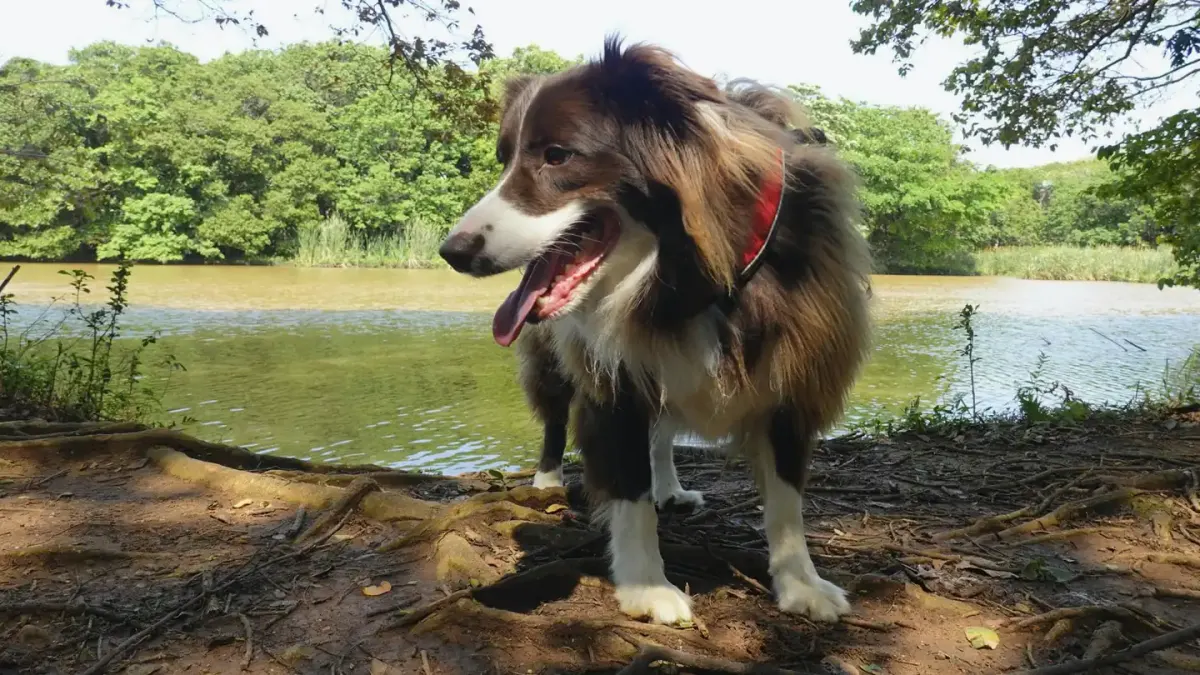
You open a new pouch for a five-year-old, 48-pound cattle-dog mix with soft stool after boarding, and by week three the scooping feels routine. The bag still looks half full at day 24, the kitchen is warm, the seal is half-closed, and you wonder whether those last scoops are still doing anything. That question is the whole decision: keep using a product that may have lost viable organisms, or replace it and reset the trial. I work that differential before I blame the strain.
Most opened probiotics hold label potency for 2-3 months after opening when sealed, kept dry, and stored as directed. Check the expiration date first, then count from opening.
What opening actually changes
Unopened shelf life is about a sealed barrier. Opening introduces the differentials for potency loss: moisture, heat, oxygen, and light. Live organisms die faster in humidity. Soft chews absorb water and harden or go sticky. Powders clump. Capsules protect better, but a loose cap in a steamy bathroom still shortens life.
Do this. Write the open date on the bag with marker. Reseal fully after every use. Keep the desiccant inside. Keep the scoop dry.
Read the label before you count months
Labels answer this faster than any rule of thumb. Look for expiration or best-by date, storage temperature, whether refrigeration is required, and guaranteed CFU through end of shelf life versus at manufacture. Through end of shelf life is the stronger promise.
Use the earlier limit. If the bag expires in six weeks, that date controls even if you opened it yesterday. If you opened it three months ago and it expires next year, assume viability is falling. That distinction matters because Frontiers in Veterinary Science reported that “Diversity metrics did not distinguish non-responders from responders,” which reminds me not to judge a fading product by stool alone.
I kept a spare pouch in a hot garage for a nine-year-old, 71-pound Shepherd mix during summer, thinking a sealed bag forgives heat. By day 10 the chews smelled sharper, turned tacky, and stuck together. I had hoped refrigeration after the fact would rescue them. It did not. Heat plus a weak reseal had already done the damage, and the right move was discard and restart with a fresh, cool-stored bag to run a clean trial.
Store it so the count holds
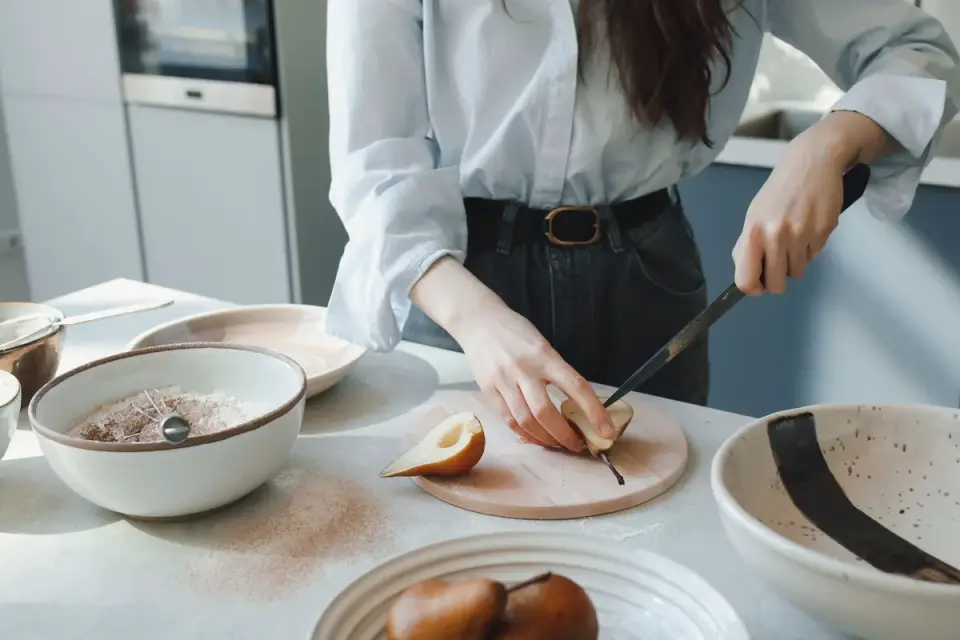
Keep probiotics cool, dry, and dark. Follow label refrigeration instructions. Do not move powder to a pill organizer. Do not store above the stove, on top of the dryer, or in a damp treat jar.
Run this order. Wash and dry hands. Use a dry scoop. Level, dispense, reseal. Return to storage right away. Keep chews in the original resealable pouch rather than decanting into plastic bins that breathe.
For background on choosing strains and forms that match this storage plan, see Best Probiotic for Dogs: What the Evidence Actually Supports and timing around antibiotics in Can Probiotics Be Given With Antibiotics for Dogs? Timing, Strains, and What the Evidence Shows.
When to throw it out even if the date looks fine
Toss it when you see clumping that will not break apart, off odor, mold, color change, chews that are rock-hard or weeping, or any moisture inside. Toss it after vomiting, diarrhea with blood, or a product that was soaked, left in a hot car, or cross-contaminated with wet food on the scoop.
This protects the trial. A stale product creates a false differential: is the gut not responding, or is the dose no longer alive?
A three-year-old, 22-pound terrier mix came back with intermittent loose stool at week five of a powder that had been left half-open near the sink. The owner had doubled the scoop to compensate. The better differential included diet change, parasites, over-supplementation, and, when signs persist, pancreatic or intestinal disease rather than just more powder. That is also why I keep Digestive Enzymes for Dogs: What They Actually Do and When They’re Worth It in mind, because the Journal of the American Veterinary Medical Association notes that “EPI is treated by pancreatic enzyme replacement therapy, nutritional management (low-residue diets with moderate fat content), and supplementation of cobalamin.” Probiotics support normal digestive function; they do not replace that workup.
Run a clean two-week check
Buy the smallest size you will finish in 60-90 days. Log start date, open date, dose, diet, treats, and stool score. If stool does not normalize in two weeks on a fresh, well-stored product, call your veterinarian before switching brands three times. Bring the bag, lot number, and expiration date.
Replace an opened container by 90 days even if scoops remain. Replace sooner in heat or humidity.
Frequently asked questions
How long is a dog probiotic good after opening?
Most hold best for 60-90 days after opening when resealed and stored as labeled. Use the printed expiration date if it comes first, and discard sooner with moisture, odor, or texture change.
Does refrigeration extend shelf life after opening?
Only when the label directs it. Refrigerate those products and keep others cool and dry. Moving a shelf-stable chew to a humid fridge without a tight seal can shorten life.
Can I use an expired probiotic if it looks normal?
Do not rely on it. Viable count falls with time, heat, and moisture even when appearance holds. Replace it to keep the trial interpretable.
Sources
- Exocrine pancreatic insufficiency review — Journal of the American Veterinary Medical Association
- Gut microbiome response study — Frontiers in Veterinary Science