How to Socialize a Puppy Before Vaccinations Are Finished
A vet's evidence-based timeline for socializing a puppy safely before full vaccination, balancing infectious disease risk against the behavioral cost of waiting.
You can start to socialize a puppy well before vaccinations are complete if you manage exposure risk deliberately.
On this page
Milo was an eight-week-old cavapoo, eleven pounds, when his owners brought him in for his first visit on a rainy Tuesday afternoon. They had read that he shouldn’t leave the yard until his final shot at sixteen weeks, and they were already worried he’d bark at the mail carrier and cower at the vacuum. I hear a version of this every week. In my practice, the puppies who arrive at five months undersocialized almost always trace back to an owner who took “wait until fully vaccinated” too literally, and I understand why — it’s the advice everyone repeats. But the socialization window and the vaccination window overlap, and treating them as sequential rather than parallel is where most of the trouble starts.
The short version: don’t wait for the last shot to start socializing, but do control where you take your puppy and who they meet. The window for social learning in dogs runs roughly from three to fourteen weeks of age, and it closes gradually rather than slamming shut. The vaccine series, meanwhile, typically isn’t complete until fourteen to sixteen weeks. If you sit out that entire stretch, you’ve missed most of the period when a puppy’s brain is primed to file new people, surfaces, sounds, and dogs under “normal” instead of “threat.” The American Veterinary Medical Association and the American Animal Hospital Association have both said the same thing for years: the behavioral risk of under-socializing generally outweighs the infectious disease risk, provided you’re smart about the exposures you choose.
Weeks 8 to 10: build the list before you build the exposure
This is the stage where I tell owners to make an actual list — not a vague plan to “get him out more.” Write down surfaces (tile, grass, gravel, a wobbly bathmat), sounds (blender, doorbell, kids yelling), and people (a man in a hat, someone with a cane, a toddler). At eight to ten weeks, almost none of this needs to happen anywhere risky. Carry the puppy through a parking lot instead of setting paws down. Invite one healthy, fully vaccinated adult dog from a friend’s house over for a supervised, short visit. Let the puppy watch the world from a stroller or a sling at the edge of a farmers market. None of it requires setting foot where an unknown dog’s stool or vomit might have been, which is the actual transmission risk for parvovirus and distemper, not fresh air itself.
Weeks 10 to 12: add structured contact with known-safe dogs and people
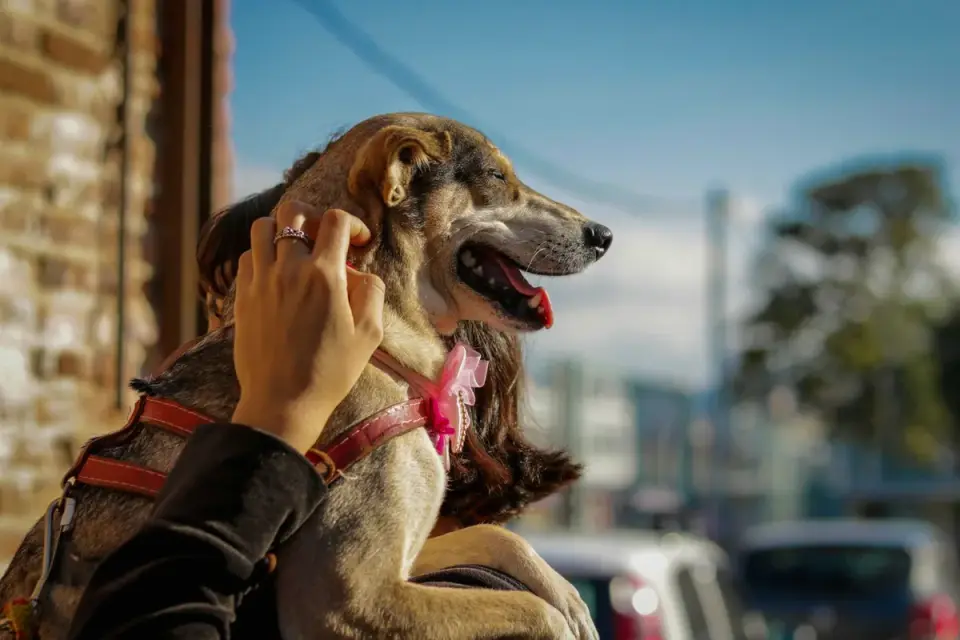
Once a puppy has had at least one round of core vaccines, typically around ten to twelve weeks depending on your veterinarian’s schedule, I usually clear them for puppy socialization classes that vet-screen attendance and require proof of at least one vaccine plus a health check at the door. This is different from an open dog park, and the distinction matters more than owners expect. A well-run puppy class controls the variables: known vaccination status, no obviously sick dogs, disinfected floors, small groups. I’ve watched a properly run class turn a hunched, tail-tucked ten-week-old into a dog that leans into new people within four sessions — not because of anything magic, just repeated, low-stakes reps in a room where nothing bad happens.
If a formal class isn’t available, ask friends and family whether their adult dogs are current on vaccines and generally tolerant of puppies, and start there. One-on-one meetings with a calm, known dog teach bite inhibition and body language far better than a crowd does anyway.
Weeks 12 to 16: widen the world as the vaccine series closes
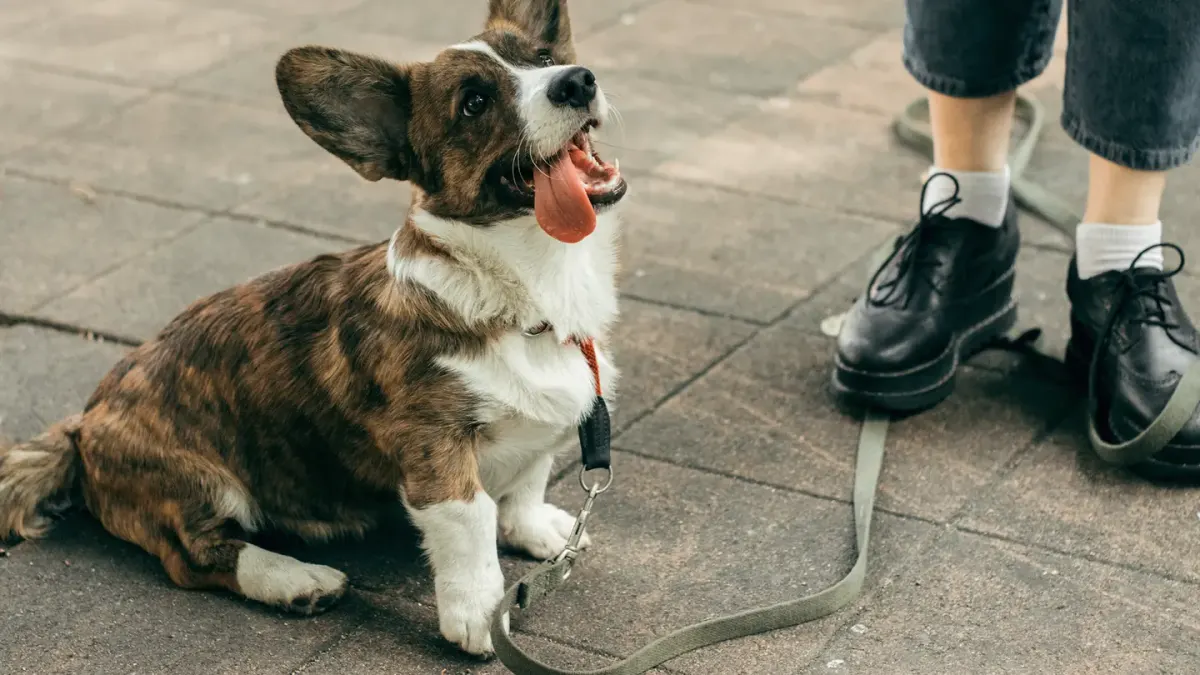
By twelve weeks, most puppies have had two rounds of vaccines and can start walking on their own paws in low-traffic public places — a friend’s fenced yard, a quiet sidewalk away from where unknown dogs congregate, the parking lot outside a pet store rather than the sniffing station just inside the door. This is also the stretch where I see the most anxious puppies, the ones who startle at a garbage truck or freeze at the sight of a skateboard. Novel-sound and novel-object exposure should keep going right through here, ideally paired with something the puppy already loves — a favorite treat, a familiar person’s voice — so the new thing gets filed as neutral or good rather than alarming.
Some owners ask about calming support for a puppy who seems especially reactive to new experiences during this stretch. The evidence here is real but bounded, and it’s worth being honest about both halves. A review in Biomedicines notes that “for the remaining species, evidence is derived mainly from preclinical studies or traditional use” when it comes to chamomile’s effects on anxiety and stress — promising in concept, thin in direct canine data. Ashwagandha has a stronger human evidence base: a systematic review published in Cureus “analyzed multiple RCTs and concluded that ashwagandha has a moderate positive impact on stress reduction and cognitive performance.” L-theanine’s human data is more mixed — a review in Molecular Psychiatry found benefit “except for one study on psychotic anxiety (SMD = 0.54; 400 mg/day for 8 weeks),” which is a narrow, specific result, not a blanket calming effect. None of that data is generated in puppies, and none of it substitutes for the actual behavioral work of controlled, positive exposure. I mention it to owners as a possible supporting tool, never as the plan itself.

Where I land with owners
I lost a case early in my career — not to disease, but to a fear response that never fully resolved because the family, acting on good intentions, kept their puppy essentially housebound until sixteen weeks. He’s twelve now, still startles at strangers on the porch, still needs a wide berth from other dogs on leash, and his owners still ask what they could have done differently. I don’t tell that story to scare people out of caution. I tell it because the actual data — from the AVMA’s own socialization guidance down to the behavior research it’s built on — says the fear window doesn’t wait for the vaccine schedule, and a puppy that misses it rarely gets a clean second chance. If your puppy is already showing signs of fear that look more like true anxiety than simple newness, it’s worth reading up on the difference between boredom and separation anxiety and on subtler stress signals like whale eye, since those patterns can start showing up in this same window.
My actual recommendation, in order: start controlled, no-paws-down exposure at eight weeks; add screened dog contact around ten to twelve weeks once the first vaccine round is in; widen to low-traffic public spaces from twelve to sixteen weeks as the series completes; and treat any real fear response — not just newness-related caution, but freezing, shaking, or refusal to move — as worth a conversation with your veterinarian rather than something to push through on your own. If leash behavior around other dogs looks more like frustration than fear, it’s a related but different problem, and it’s worth reading how to tell barrier frustration apart from aggression before assuming the worst. And if the puppy phase brings mouthing alongside the socialization work, that’s normal enough that it has its own separate playbook.
Is the eight-week start too aggressive for every puppy, in every environment? Probably not — a puppy in a dense urban building with an elevator full of unknown dogs needs a more conservative version of this plan than one in a quiet cul-de-sac, and that’s a conversation worth having with your own veterinarian rather than a fixed rule to apply everywhere.
Frequently asked questions
Is it safe to take a puppy outside before all vaccinations are done?
Yes, with control over the environment. Carrying a puppy in public, hosting screened playdates with known-vaccinated dogs, and attending vet-screened puppy classes are all generally considered lower-risk than letting an unvaccinated puppy walk on ground where unknown dogs' waste may be present.
When does the puppy socialization window close?
It tapers gradually from around three weeks to roughly fourteen weeks of age, which is why most veterinary behaviorists recommend starting exposure well before the vaccine series is complete rather than waiting.
Can calming supplements help a fearful puppy during socialization?
Some ingredients like ashwagandha have moderate human evidence for stress reduction, but data in puppies specifically is limited. Supplements are not a substitute for controlled positive exposure, and any persistent fear response is worth discussing with your veterinarian.
Sources
- Chamomile, Anxiety, and Stress: A Review of the Evidence — Biomedicines
- A Systematic Review of Ashwagandha and Stress Reduction — Cureus
- L-Theanine and Anxiety: A Review of Clinical Trials — Molecular Psychiatry