What Does Whale Eye Mean in Dogs?
Learn what whale eye signals in dogs' body language, how to identify it, and what to do when your dog shows signs of stress, anxiety, or discomfort.
Whale eye—the whites of your dog's eyes becoming visible when they look away—often signals stress, fear, or discomfort that deserves your attention.
Understanding What Your Dog Is Actually Telling You
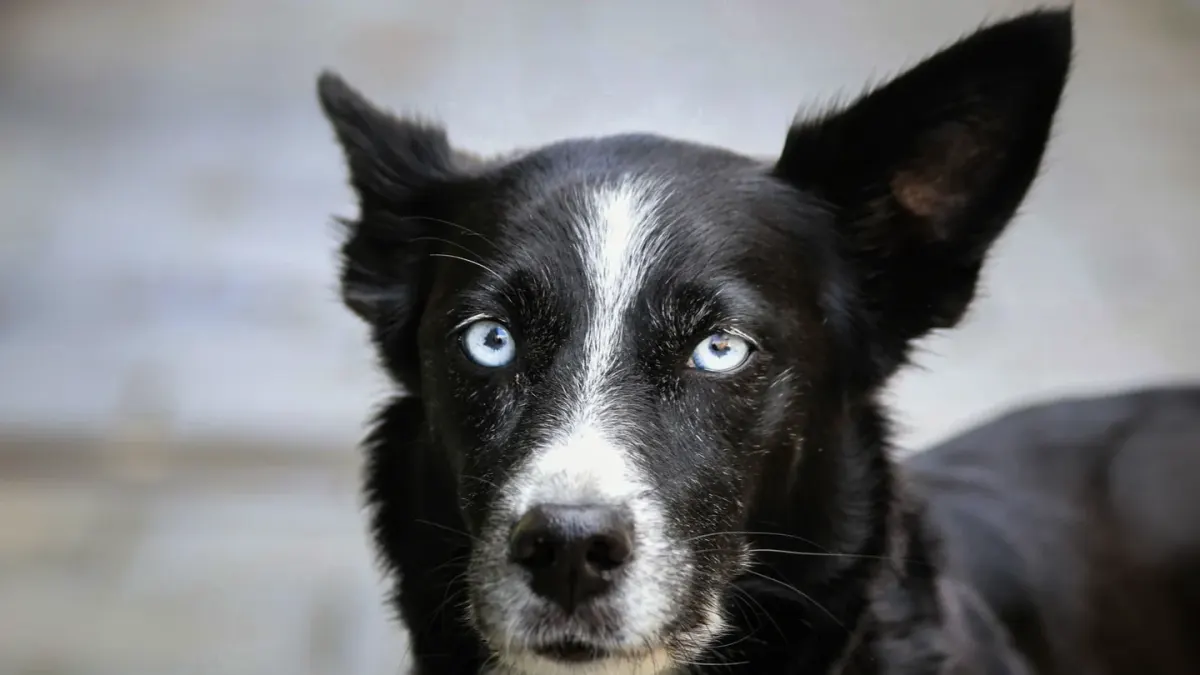
In my practice, I see it almost every week. An owner brings in a dog for a routine exam, gently pets them during intake, and suddenly the whites of their eyes become visible at the inner corner. The dog doesn’t growl, doesn’t snap—they just glance away with that distinctive wide-eyed look. That’s whale eye, and it’s one of the most honest signals your dog can send that something in the moment is not okay.
Whale eye isn’t a behavior problem or a dominance display—that’s an old myth. It’s genuine communication. Your dog is saying: I’m uncomfortable. I’m anxious. I don’t feel safe right now. The whites showing up, even just a sliver, means your dog’s emotional state has shifted. They haven’t escalated to growling or snapping yet. They’re trying to tell you quietly, and that matters because it’s your window to change what’s happening before anything bigger occurs.
The signal happens because dogs lose some control of the muscles around their eyes when they’re stressed or afraid. It’s an involuntary tell, which is exactly what makes it so reliable.
The Context That Shapes What Whale Eye Means
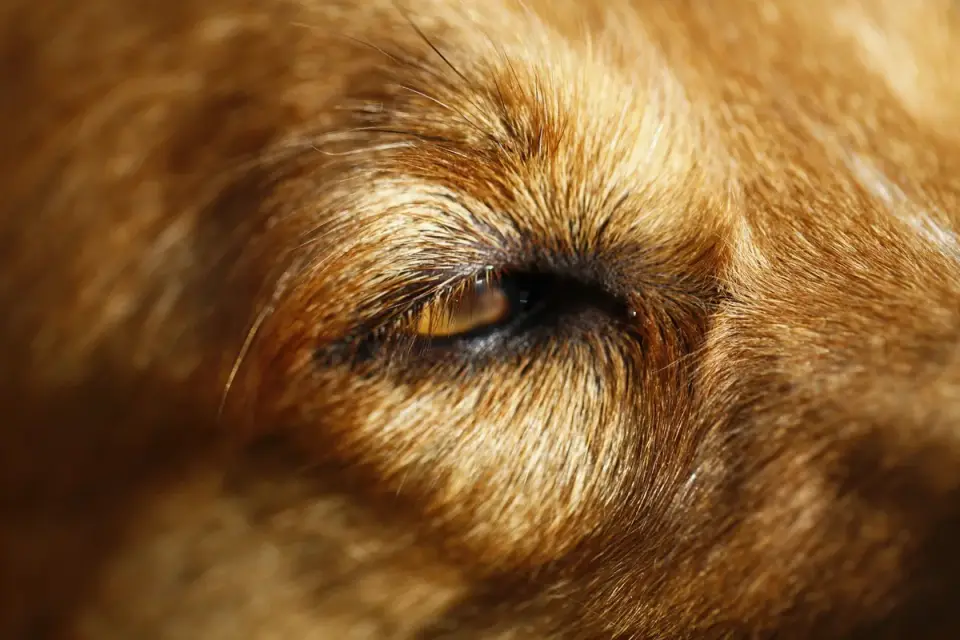
Whale eye doesn’t appear in a vacuum. It always happens in response to something specific, and that something is different for every dog. Some dogs show whale eye when they’re startled. Others show it predictably during handling—grooming, nail trimming, restraint, or petting they dislike. Many anxious dogs show it in loud environments, around unfamiliar people, or when their routine breaks. A few show it chronically because they live with low-level stress they can’t escape.
I worked with a three-year-old Golden Retriever named Max whose owner brought him in for behavior consultation. The owner complained that Max was “getting grumpy” about grooming. During our conversation, I asked the owner to show me how she touched Max. The moment she reached toward his ears, Max showed whale eye—clear, unmistakable whites showing at the inner corner. His owner had never noticed it before. Turns out Max had a history of ear infections as a puppy, and he’d protected that area ever since. The whale eye had been showing for months; she just didn’t know what to look for. By the time she came in, Max was starting to snap when she approached his ears. That early whale eye signal? It was the warning we should have caught.
The context tells you what your dog is actually afraid of or discomforted by. Whale eye during a thunderstorm communicates fear of the noise. The same signal from a dog being hugged by a young child is communicating discomfort with restraint. A dog showing whale eye when introduced to a new adult might be expressing social anxiety. Same signal. Same meaning. Different trigger.
Why Stress and Fear Show Up as Whale Eye
Fear is the most straightforward driver. Dogs anxious about loud noises, new places, unfamiliar people, or situations they can’t control often show whale eye as part of their fear response. Their pupils dilate, their ears tense, and the whites of their eyes become visible—all autonomic nervous system responses they can’t consciously suppress.
Discomfort with touch or handling is another major category. If a dog finds certain touches aversive—being petted on the face or paws, collar handling, grooming, or veterinary exam procedures—whale eye signals that discomfort early. Some dogs show it mildly in response to gentle petting they don’t enjoy; others show it right before they growl or nip to end an interaction they find threatening.
Conflict also drives whale eye: a dog caught between competing motivations (desperate for a treat but afraid of the approach needed to get it, or unsure how to respond to a social signal they don’t understand) will often show it. The dog is torn, and whale eye reflects that internal struggle.
The least visible group shows whale eye habitually because their baseline stress is chronically elevated. These dogs live in a state of hypervigilance. They show whale eye in many normal situations—meal preparation, normal household sounds, the approach of family members—because their nervous system is already primed for threat. For those dogs, the whale eye isn’t about any single trigger; it’s about an underlying anxiety that colors everything.
What to Do the Moment You See Whale Eye
The first rule is definitive: stop what you’re doing. If your dog shows whale eye and you’re the one interacting with them, give space immediately. Step back, release any physical contact, and let your dog choose their distance. This isn’t rewarding bad behavior; it’s honoring their communication and preventing the escalation that happens when you ignore a warning.
Don’t respond with reassurance (“It’s okay, sweetie!”) the way you might comfort a frightened human. That impulse is kind, but for dogs it can feel like you’re forcing them to stay in a situation they find threatening. Your most helpful response is creating immediate, unconditional space.
If whale eye happens during something necessary—a veterinary exam, nail trimming, or required handling—it’s valuable information that the approach needs modification. You might use lower restraint, slower movements, higher-value treats, or break the task into much smaller steps. A veterinarian or professional groomer who sees your dog’s whale eye and doesn’t adjust their technique isn’t reading your dog’s distress signals.
When it’s not something you’re causing—your dog shows whale eye during a car ride, at a crowded park, or around a particular person—the goal is reducing the stressor. Shorter car rides initially, visiting quieter parks, teaching visitors not to reach toward your dog’s face. The priority is giving your dog safe experiences where they don’t feel threatened or trapped. That’s how they learn the situation isn’t dangerous.
Building Long-Term Confidence
Short-term management prevents escalation. Long-term work builds actual confidence and resilience. That’s where the real difference lives.
Start by identifying the pattern. Does your dog show whale eye only in specific, avoidable situations—thunderstorms, the groomer, the vet exam room? For those dogs, solid management and counterconditioning often resolve it. Shorter vet visits where nothing scary happens, treats and play paired with the sound of grooming tools before an actual grooming appointment, shelter and calmness during storms—all of these teach your dog that the situation isn’t a threat.
I had a four-year-old anxious Dachshund come in last year whose owner was seeing whale eye escalate during vet visits. The dog wasn’t even being examined yet—she’d show whale eye the moment the owner’s car pulled into the parking lot. We built a protocol starting with multiple visits where the owner just sat in the waiting room with her, no exam. Then a brief, no-stress greeting with the vet. Then a short touch, treat, release. Over eight weeks, the dog’s whale eye during vet visits nearly disappeared. The retraining worked because we addressed it early and broke it into pieces small enough that the dog could stay below her stress threshold.
Other dogs show whale eye more broadly: they’re uncomfortable in new places, hesitant around unfamiliar people, spooked by minor changes in routine. For these dogs, resilience building takes longer and requires a more systematic approach. Desensitization—gradually exposing your dog to easier versions of the trigger and pairing those exposures with treats, play, or calm presence—helps rewire how their nervous system responds. It takes patience and consistency, but it works.
When Whale Eye Signals Physical Pain
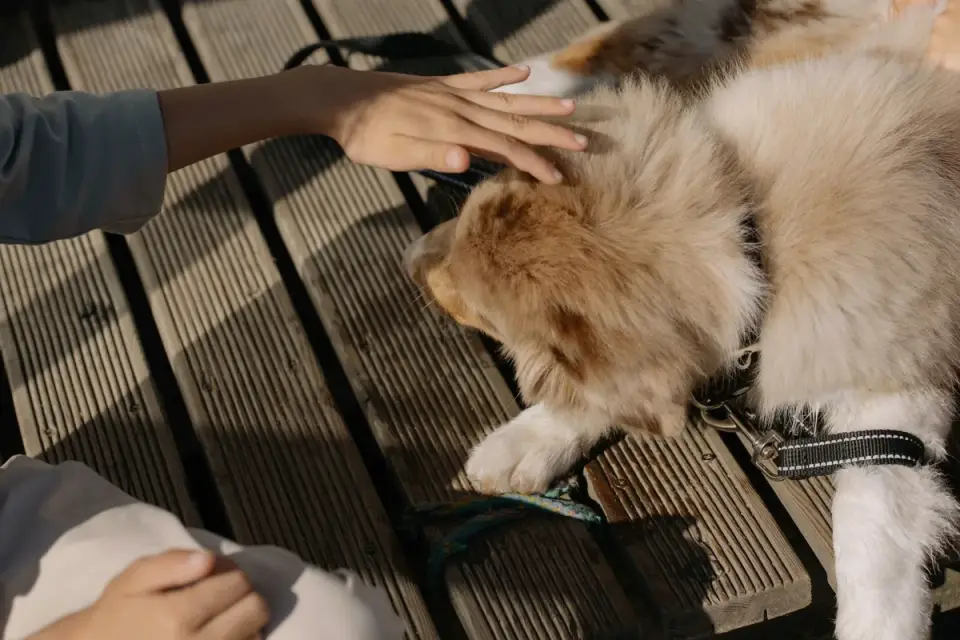
This distinction is critical: whale eye can also communicate physical pain or discomfort, not just emotional distress. A dog with ear pain, dental pain, hip dysplasia, or arthritis might show whale eye when touched in that area. More broadly, any dog with chronic pain might show whale eye in response to normal handling because movement or touch has become associated with discomfort.
If your dog is showing whale eye persistently or in situations where they’d normally be relaxed—during casual petting, when you approach, in the morning before activity—pain should be ruled out first. A veterinary exam, and possibly imaging if your dog is older or has mobility concerns, makes sure you’re not missing something physical. Your dog might need pain support, management adjustments, or both. Behavioral work and stress management alone won’t resolve whale eye driven by untreated pain.
The Role of Longer-Term Stress Support
For dogs with chronic anxiety or high baseline stress, sometimes behavioral work alone doesn’t move the needle fast enough. Your veterinarian might recommend supporting your dog’s nervous system during the retraining process. There are several evidence-based approaches.
A systematic review published in Cureus analyzed multiple randomized controlled trials and concluded that ashwagandha shows a moderate positive impact on stress reduction and cognitive performance. Some veterinarians recommend ashwagandha as part of an anxiety management plan, though it works best as one piece of a bigger strategy—not as a replacement for behavior modification.
Biomedicines: Chamomile and valerian root have been used in traditional herbal care to support relaxation. The evidence for chamomile is primarily from preclinical and traditional use, which means it’s less robustly studied in dogs than in humans, but many veterinarians include it as a gentle support option during behavioral retraining.
Nature: L-theanine, an amino acid found in tea, has been studied for its calming properties. Evidence suggests it may help support a calmer mental state when used over several weeks, particularly when combined with behavioral modification.
None of these replaces addressing the underlying triggers or working with a behaviorist. They’re support options to consider with your veterinarian—pieces of a bigger plan that might also include desensitization, counterconditioning, environmental management, and possibly pharmaceutical support for severe cases.
When to Call a Professional Behaviorist
If whale eye shows up frequently, if your dog escalates quickly from whale eye to growling or snapping, or if your dog seems to show it across many different situations, that’s the right time to bring in a certified applied animal behaviorist or board-certified veterinary behaviorist. These professionals can assess what’s actually driving the response, rule out medical causes you and your vet might have missed, and build a protocol specific to your individual dog’s history and temperament.
You don’t need whale eye to become a chronic pattern. Catching it early and acting on it—recognizing it as communication and responding thoughtfully—is what stops it from escalating. Your dog is telling you something is wrong. The work is listening.
Building a Dog That Trusts What You Hear
Whale eye is your dog’s way of telling you something is not okay before they have to resort to bigger, riskier behaviors like growling, snapping, or biting. Learning to read it isn’t just about preventing problems. It’s about teaching your dog that when they communicate their discomfort quietly, you listen. That their anxiety and fear matter. That they don’t have to escalate because you’re going to take them seriously.
Dogs that learn their early warnings are heard tend to stay in those early warning stages. Dogs whose whale eye is ignored or punished learn they have to escalate to get any response at all. Which kind of dog do you want to build? The answer drives how you respond to every whale eye you see.
Read your dog’s signals. Honor them. Change what’s happening when you see that warning eye. That’s how you build a dog that stays safe and stays trusting.
Related Signals That Tell a Parallel Story
Whale eye often appears alongside other stress signals worth understanding. Why Does My Dog Growl When I Pet Him? explores another early warning sign and how to respond. Why an Old Dog Startles at Sounds He Used to Ignore covers how anxiety can develop as dogs age and what it means. And if you’re exploring behavioral and nutritional support together, Chamomile vs L-Tryptophan for Calming Dogs digs into what the evidence actually shows about different calming approaches.
Frequently asked questions
Is whale eye a sign of dominance or aggression?
No. Whale eye is a stress or fear signal, not a dominance display. It means your dog is uncomfortable or anxious, not that they're trying to be dominant. It's actually an early warning—a chance to change the situation before your dog has to escalate to growling or snapping.
Should I punish my dog for showing whale eye?
Never. Punishing the signal only teaches your dog that communicating their distress gets them in trouble, so they'll skip the whale eye warning and go straight to growling or snapping instead. Respond by creating space and removing the stressor. That teaches your dog that early signals get a helpful response.
Can supplements alone fix a dog that shows whale eye?
Supplements can support your dog's nervous system during behavioral retraining, but they're not a replacement for addressing triggers and building confidence through desensitization and counterconditioning. Work with your veterinarian and possibly a behaviorist to build a complete plan.
What's the difference between whale eye and a normal startled blink?
A normal startle blink is brief and reflexive. Whale eye persists as long as the stressor is present or immediately following it. The whites remain visible; the expression stays tense. If you're seeing it consistently in response to a specific situation, it's whale eye—a genuine stress signal, not just a momentary reaction.
Should I avoid all situations that trigger whale eye in my dog?
Complete avoidance prevents escalation in the moment, but it also prevents your dog from building resilience. The goal is gradual exposure to milder versions of the trigger, paired with positive experiences. That's how your dog learns the situation isn't actually dangerous. Work with a veterinarian or behaviorist to design that plan so it's done gradually and safely.