Dog Aging Cohorts: What Long-Term Studies Show
How long-term cohort studies track aging in dogs and what owners can learn about weight, activity, and vet timing.
Long-term cohorts follow the same dogs for years, which tells owners more than any single checkup can.
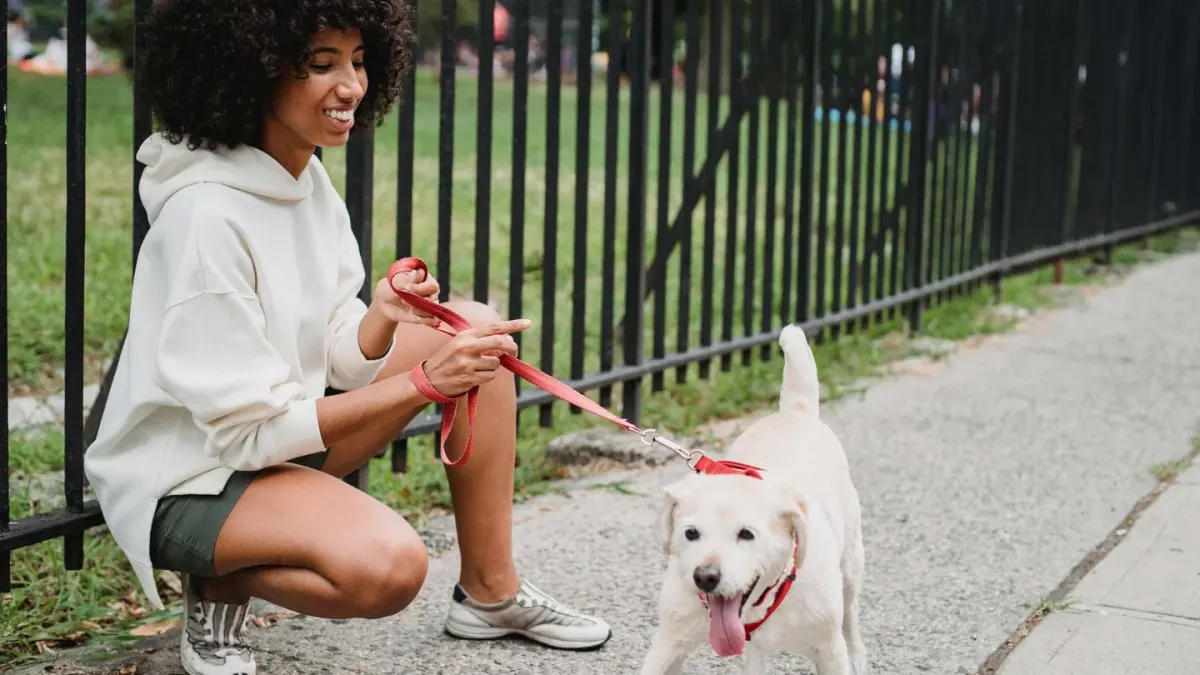
John notices Margie hesitates for three seconds at the curb in Wilmington before she follows, and at 14 the spayed Jack Russell Terrier still trots the same half-block route she has walked for years, just slower and with more sniff breaks. Vets often see that pattern in senior dogs: function fades in small steps that look normal visit to visit, until weight, muscle, and stamina have shifted enough to matter.
My read is direct. Owner-tracked trends over years — body condition, walking distance, recovery after activity — are more useful for supporting healthy aging than any supplement claim, because cohorts show trajectory predicts problems before a diagnosis does. I would change that view if randomized trials in dogs showed a longevity supplement shifted lifespan or validated frailty scores independent of weight and exercise, with dose, form, and duration reported. That evidence does not exist yet.
Why one exam cannot stage aging
Aging is loss of reserve across systems: muscle protein turnover, mitochondrial efficiency, cardiac output, and joint comfort all decline at different rates. A single exam measures state. A cohort measures slope.
That distinction matters for structure/function support. Supplements may help support normal cellular function or joint comfort, but they do not restore cardiac output or replace conditioning. Keeping cardiac treatment distinct from daily support prevents the most common error I see in longevity marketing — implying a chew does what exercise, weight control, and veterinary care do.
What long-term cohorts follow year after year
The large prospective projects follow the same enrolled dogs with repeated surveys, veterinary records, activity measures, and biological samples. The Dog Aging Project was built to link health, environment, and biology across the lifespan, and the Morris Animal Foundation runs the Golden Retriever Lifetime Study to track cancer and chronic disease risk from puppyhood onward.
Their value is not a single finding. It is repeated measurement of weight change, body condition score, activity, diet, illness, and death, which lets researchers separate breed size effects, early-life exposures, and midlife weight gain from normal old-age slowing.

Cohort data consistently point owners toward the same few levers. Sustained overweight in midlife predicts shorter healthspan. Gradual activity loss precedes mobility diagnoses. Subtle behavior change often maps to early signs that owners miss until function is harder to regain.
That is actionable.
How to borrow the cohort method at home
Pick three measures and record them monthly: body weight, rib-and-waist condition, and a fixed walk distance with time and rests needed. Note recovery too — panting past 15 minutes after a familiar walk, stiffness the next morning, reluctance on stairs.
Casanova, a 10-year-old neutered male Standard Schnauzer mix owned by Garrett in St. Paul, offers a useful template: same 0.6-mile loop twice weekly, logged rests, and a scale weight every month. When rests rose from zero to two over eight weeks with a two-pound gain, the log made the vet visit specific instead of vague.
Use that log to ask a tighter question. Is intake up, output down, or both. Does cold weather explain the stiffness or does it persist indoors. Has muscle over the thighs thinned while belly weight held steady, a pattern where mitochondrial and muscle efficiency deserves attention rather than a new chew alone.
Supplements fit inside that frame, not above it. Omega-3s, glucosamine, chondroitin, green-lipped mussel, and UC-II have mixed or thin canine data for joint comfort, with different forms and doses across trials. They may help support normal joint structure and mobility as part of weight and activity management, but cohort evidence does not support using them to change the aging curve itself.
Bring the trend to your veterinarian when weight drifts more than 5% in three months, walk tolerance drops, or recovery lengthens. That is the practical next step cohorts support: intervene on trajectory early.
For related context, read Can You Crush a Longevity Chew and Sprinkle It on Senior Dog Food?.
For related context, read Early Signs of Aging in Dogs: What Actually Changes First.
Frequently asked questions
Do cohort studies prove a supplement extends dog lifespan?
No. Cohorts describe associations over time, such as weight trajectory and disease risk. Lifespan effects require randomized trials with defined dose, form, and duration.
What should I track to mimic a cohort at home?
Monthly weight, body condition, a fixed walk time with rest count, and recovery. A short written log reveals slope that memory misses.
Sources
- Dog Aging Project Overview — Dog Aging Project
- Golden Retriever Lifetime Study — Morris Animal Foundation