Why a Dog Gets an Upset Stomach After Treats
A plain-spoken guide to why treats trigger vomiting, gas, or loose stool in dogs and how to steady the gut.
Treats cause upset because dose, richness, and speed overwhelm a gut built for routine.
On this page
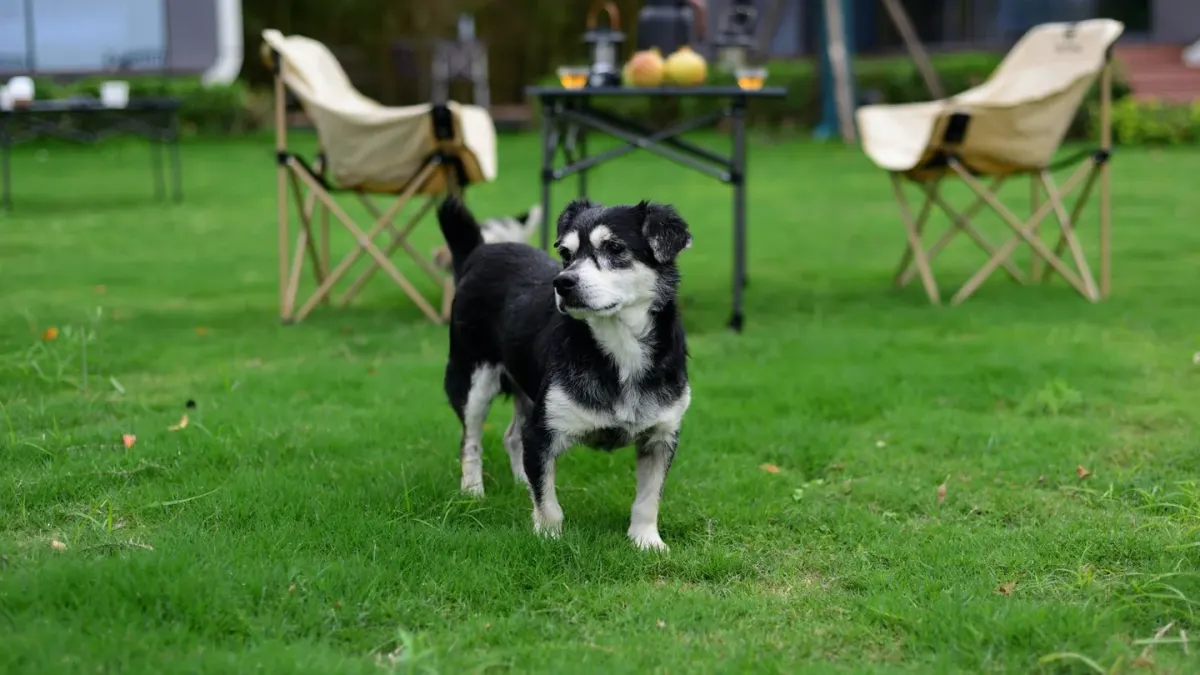
You hand over two bacon-scented training bites in the park, and by evening your 4-year-old 38-pound beagle mix is pacing to the door, belly gurgling, then passing soft, yellowish stool twice before midnight. He ate his regular kibble fine that morning, he is bright and thirsty, and you are left wondering whether it was the new bag, the extra peanut-butter biscuit from a neighbor, or just too much excitement on a warm afternoon walk.
My short answer is steady and unglamorous: most treat-related upset is a portion and richness problem, not an allergy, and the fix is smaller amounts, simpler recipes, and slower introductions that may help support normal digestive balance and mobility through the day. Food therapy may help support digestive steadiness, acupuncture may help support gut comfort and calm, and hands-on Tui-na may help support relaxation around belly tension, but none of them fix or cure a sensitive stomach on their own.
Keep whole-patient expectations realistic, never curative.
Treats land differently than meals
Meals are balanced for bulk, fat, and fiber across a full day. Treats are concentrated hits of fat, protein, flavorings, glycerin, or unfamiliar fiber, given on top of meals and often in a rush. A dog that tolerates 400 calories of kibble can still vomit after 80 calories of rich jerky because the gut sees a sudden load with no adaptation window.
Speed matters too. Training rewards, puzzle toys, birthday biscuits, and table scraps stack up fast. Add excitement, heat, swallowed air, or a too-fast gulp after play, and motility speeds up before digestion catches up.
The three patterns I see most
Too rich, too much. High-fat chews, cheese cubes, hot-dog bits, and oily dental sticks are the classic trigger for loose stool or a one-time vomit a few hours later.
Too new, too fast. A novel protein, smoked flavor, or heavy fiber chew changes fermentation quickly. Pumpkin fiber is often discussed here because fiber changes stool texture, but tolerance still depends on total amount and what else was fed that day. If you are adjusting fiber at all, this explainer on whether dogs can get too much fiber may help support steadier choices.
Too many sources at once. Three different treats from three people equals no clear cause. That is why I ask owners to trial one treat at a time for several days.
She was a 6-year-old 52-pound pit mix who sailed through obedience class until treat day. Her owner counted 14 small commercial bites plus a bully stick in under an hour, then a car ride home. By day 2 she had soft stool with mucus, skipped breakfast, and looked uncomfortable lying on her belly. We did not change her base diet at all. We paused all extras for three days, reintroduced her kibble as the only training reward, then tested a single-ingredient treat at one-quarter the old amount. Her stool was formed again by day 5, which told us volume and stacking were the issue more than any single brand.
That failed approach is common: swapping to a richer “sensitive stomach” treat while still feeding too many total extras.
When the gut needs more than a pause
Most cases settle within 24 to 48 hours once extras stop. Look past treats when vomiting repeats, watery diarrhea lasts beyond two days, blood appears, appetite drops, belly pain grows, weight slips, or a puppy or senior fades quickly. Those signs deserve an exam and fecal check, not another diet tweak.
Pancreatic and microbiome issues sit at the far end of this spectrum. For context, a JAVMA review notes that “EPI is treated by pancreatic enzyme replacement therapy, nutritional management (low-residue diets with moderate fat content), and supplementation of cobalamin.” That same review cautions that “Future studies are needed to further understand the causes of persistent dysbiosis in animals with EPI following initiation of pancreatic enzyme replacement therapy and assess the efficacy of treatments to ameliorate these abnormalities.” In plain terms, enzymes help when they are truly missing, but gut balance does not always snap back on schedule.
Response also varies dog to dog. One canine study reported that “Diversity metrics did not distinguish non-responders from responders,” described in Frontiers in Veterinary Science, which fits what owners see: the same treat calms one gut and loosens another. A sudden diet change can make that variability worse, so this guide to stomach upset after switching to raw food and these notes on loose stool after switching foods for a trip may help support a slower transition plan.
The counterargument I take seriously
Some trainers argue dogs should toughen up and handle varied treats because real life is varied. There is a grain of truth there — rigid diets can make any novelty feel dramatic.
I still land on routine first. A predictable base diet plus one simple treat, kept under about 10% of daily calories, gives you a clean signal when something does not agree. Once stools hold steady for two to three weeks, then you can test variety deliberately, one addition at a time.
He was a 9-year-old 21-pound miniature poodle with early kidney issues and a very careful owner who read every probiotic label, including a thoughtful review of what the evidence actually supports for probiotics. Treats were sugar-free biscuits from a health store, and by week three of the new box he developed intermittent gas and soft evening stools despite a stable prescription diet. The twist was not the main ingredient at all. The biscuits used mixed sugar alcohols and concentrated flavor coatings to stay soft, and the small dog was getting four to five per day for medications. Cutting back to one biscuit, pilling with a kibble piece instead, and saving the biscuit for bedtime settled him within ten days, which changed how I counsel owners of small seniors to count coatings and extras, not just protein.
What to do this week
Pause extras for 24 to 48 hours, feed the normal balanced meals with fresh water, and watch stool, appetite, and energy. Then restart with one plain treat at pea-size, no more than a few pieces daily. Save rich chews, rawhide-style rolls, and multi-ingredient variety packs until stools stay normal.
Call your veterinarian sooner if vomiting or diarrhea repeats, if your dog seems painful or lethargic, if there is blood, or if an underlying condition makes dehydration risky.
Frequently asked questions
How long should treat-related diarrhea last?
Most mild cases improve within 24 to 48 hours once treats stop and regular meals continue. Call your veterinarian if diarrhea is watery, bloody, painful, or lasts beyond two days.
Should I switch to a new treat right away?
No. Pause extras first, let stools normalize, then test one simple treat in tiny amounts for several days so you can tell what actually agrees with your dog.
Sources
- Exocrine Pancreatic Insufficiency in Dogs and Cats Review — JAVMA
- Canine Gut Microbiome Response Study — Frontiers in Veterinary Science