Why Does My Dog Hate Being Left Alone Even For A Few Minutes
Learn why some dogs panic within minutes of being left alone, how to tell anxiety from boredom, and what calming support and training may help.
If your dog hates being alone for even a few minutes, attachment and panic are usually driving it.
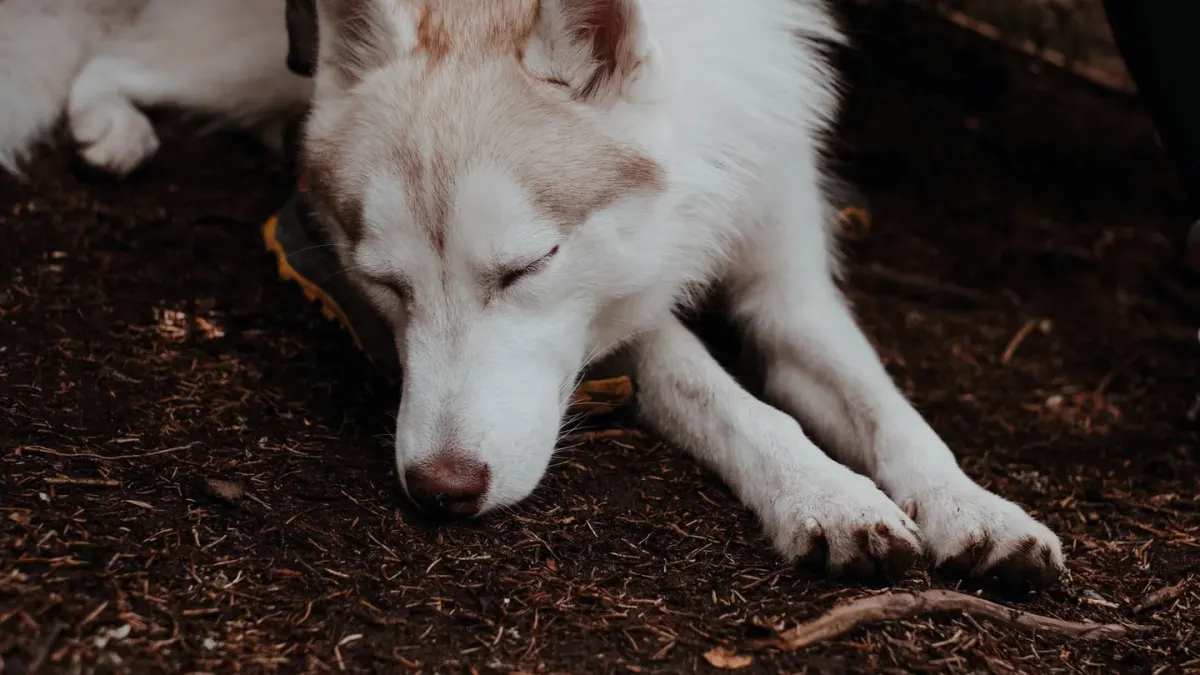
You grab your keys, step out for three minutes to bring in the trash, and you can already hear toenails scrambling and a high whine rising behind the door. You tell yourself no dog should fall apart that fast, yet yours does every single time.
That early unraveling is common in a four-year-old 38-pound cattle-dog mix I am picturing here, the kind of dog who shadows you room to room and cannot settle on a mat when you pick up your shoes. Her owner started logging departures with a phone camera and found barking began within 90 seconds and did not pause until the door opened. Three weeks in, after shifting to very short graduated absences paired with a consistent chew and mat routine, that same dog began lying down by minute four instead of circling. The decision became concrete once we could see the pattern on video rather than guilt alone.
That panic is not disobedience.
What Minutes Alone Feel Like Inside Your Dog
Dogs do not count minutes the way you do. Departure cues like keys, coats, and garage sounds can trigger a full-body alarm before the door even clicks. Heart rate climbs, panting starts, and some dogs drool, pace, vocalize, scratch at thresholds, or lose housetraining they otherwise hold well. If you want language for the subtler stress signals that show up around people too, this guide to Why Does My Dog Yawn and Lick His Lips Around Strangers? walks through lip licking and yawning as early cues.
From both a western herbal view and a Chinese pattern view, I read this as agitated Shen with constrained Qi. Western reasoning points to sympathetic overdrive and poor self-regulation. Chinese reasoning points to Heart spirit unsettled by separation and Liver Qi stuck from thwarted movement and attachment. You will not fix that whole-patient picture with a chew alone, but you may help support a calmer baseline while training teaches the nervous system a new response.
Separation distress versus boredom or too little exercise
True alone-time distress starts fast, often within seconds to minutes, and centers on you being gone. Boredom chewing tends to look exploratory and scattered. Separation panic looks frantic and door-focused, with drooling, howling, attempts to escape, and no interest in food once you leave. A tired adolescent dog who destroys a pillow at hour three is different from a dog who cannot eat a stuffed Kong at minute two because arousal is too high.
Why a few minutes can feel worse than a few hours
Short absences carry all the arousal of departure with none of the exhaustion that sometimes settles a dog later. Many dogs peak in the first 10 to 20 minutes, then tire or shut down. That is why your neighbor reports quiet after half an hour even though your camera shows chaos at minute five. Do not assume a quiet house at hour two means the first minutes were easy.
Where Botanicals Fit When Leaving Feels Impossible
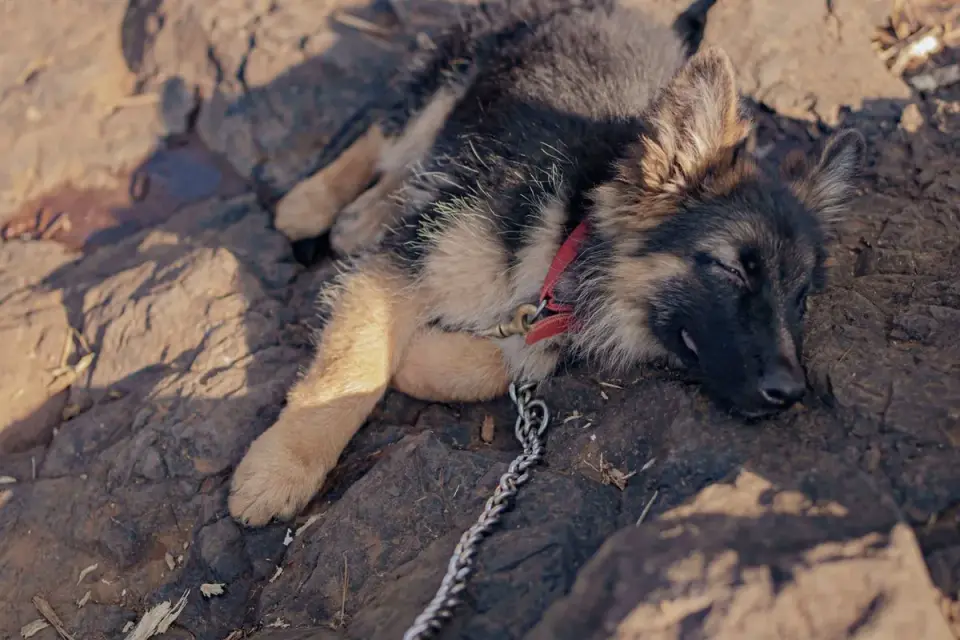
Training is still the core. Graduated absences, a predictable departure ritual that does not amp up goodbye, and a settled resting place teach the skill your dog lacks. Botanicals and amino-acid supports do not teach that skill, but they may help support relaxation around the learning so practice is not always done at full panic.
Starting from ashwagandha outward
When I trace support from the plant outward, ashwagandha root is where I land for this pattern. In western terms it is an adaptogen traditionally used to help the body meet stress without overstimulation. In Chinese-influenced thinking I use it for depleted dogs who run anxious and wired yet tire easily, where Qi and Blood need steadier support so Shen can rest.
The human evidence is more developed than the canine evidence, and I will not overstate it. “A systematic review analyzed multiple RCTs and concluded that ashwagandha has a moderate positive impact on stress reduction and cognitive performance.” That finding comes through Cureus, and it keeps my recommendation bounded. It suggests a plausible role for stress support, not proof that any dog will stop panicking when left alone. For a deeper look at forms and limits, see Ashwagandha for Dogs: What the Evidence Actually Supports.
The strongest pushback is fair. Most ashwagandha data are human, doses do not transfer to dogs, and no herb replaces desensitization. I still favor a clinically studied root extract as part of a plan because the stress signal is consistent across reviews, the traditional use aligns with what I see in clingy and restless dogs, and the alternative is often reaching for sedation rather than steadier daily support.
Why chamomile stays softer support
Chamomile flower moves outward differently. Western herbalism prizes its gentle bitter and aromatic action to ease tension held in the gut and soften restlessness toward sleep. Chinese-style pattern thinking would place it with light Shen-calming and Qi-regulating flowers rather than deep tonics. It may help support relaxation in a mildly uneasy dog, but it is not the anchor I choose for true alone-time panic.
The evidence boundary matters here. “For the remaining species, evidence is derived mainly from preclinical studies or traditional use.” That line from MDPI keeps chamomile in perspective. We have tradition and early lab work, not strong clinical trials for separation distress. You can read how it compares with an amino-acid option in Chamomile vs L-Tryptophan for Calming Dogs: What the Evidence Actually Says.
A six-year-old 27-pound beagle mix shows the tradeoff well. His owner hoped a chamomile chew given 30 minutes before work would buy quiet, and for two restless evenings it seemed to take the edge off pacing. By day 10 the camera told a harder story because whining still started at minute three and door scratching left faint marks on the trim. The chew had not taught tolerance for absence, and relying on it alone delayed the graduated departures and morning decompression walk that actually shifted arousal.
What L-theanine adds from tea chemistry
L-theanine is an amino acid from tea rather than a whole-plant extract, and I value it for a different slice of the pattern. It is associated with alert calm in people, the settled but not sleepy state you want when practicing mat work and departures. The clinical picture is still narrow. One review notes “except for one study on psychotic anxiety (SMD = 0.54; 400 mg/day for 8 weeks)” through Nature, which tells you most anxiety findings are mixed and dose-specific to humans. That is thin ground for promising canine results, though it helps explain why theanine often appears alongside botanicals in calming formulas. You will find a practical breakdown of how such ingredients are combined in Dog Calming Chews: What the Ingredients Actually Do, and Where I Draw the Line.
What I Would Actually Prioritize For Short-Absence Panic
Keep departures boring and brief at first. Step out for seconds, return before panic spikes, and build duration in tiny increments while your dog can still eat, sniff, and lie down. Pair that with real morning movement, mental work through sniffing or food puzzles, and a single resting spot that pays well even when you are home. Use video, not guilt, to judge progress.
Choose one steady supportive formula if you and your veterinarian think it fits, rather than stacking three new products at once. Look for transparent labeling, clear lot control, and ingredients with the best-characterized stress signal. Give any routine at least a few consistent weeks alongside training before you judge it, and loop your veterinarian in promptly if you see self-injury, escape attempts, refusal to eat when alone, or panic that does not budge.
An 11-year-old 62-pound senior shepherd blend brings the edge case owners miss. Her alone-time whining looked like classic separation distress, yet it had worsened over four months alongside night waking and new startle at familiar sounds. By week six on a revised plan that added daytime light exposure, joint comfort support, and a veterinary workup for pain and cognitive change, her owner reported she settled on her bed by minute six instead of pacing the hallway. Aging, discomfort, and fading hearing can turn minutes alone from lonely into unsafe feeling, so seniors deserve a medical look before you call it behavior alone.
Small minutes can build into easier absences when training, daily rhythm, and gentle botanical support point the same way.
Frequently asked questions
Why does my dog panic within minutes but seem fine after an hour?
Many dogs peak in the first 10 to 20 minutes after departure, then tire. Video often shows intense early vocalizing or pacing even when neighbors report quiet later.
Will a calming chew stop separation anxiety on its own?
No. Chews may help support relaxation, but graduated absences, predictable routines, exercise, and veterinary guidance address the underlying panic and learning gap.
When should I call my veterinarian about being left alone?
Call promptly for escape attempts, self-injury, drooling and trembling every departure, loss of housetraining tied only to absence, or sudden worsening in a senior dog.