Can You Make a DIY Dog Carrier for Travel?
Why homemade dog carriers fail airline and car safety checks, when a simple DIY sling is okay, and what to use instead.
Build it yourself only for a short supervised carrier, and choose tested construction for any dog flight or car travel.
On this page
A homemade carrier that looks sturdy on the living room floor often behaves very differently in motion, when seams stretch and a worried dog pushes against mesh and zippers with full weight.
From a whole-patient view, travel is not only containment but regulation of breath and heat and arousal, and a carrier that collapses inward or traps warm air may help support none of those needs. That is why I trace safety outward from structure first, the way I would trace a botanical benefit from root and leaf outward, rather than starting with pretty fabric. Western fit-testing logic and a Traditional Chinese Veterinary Medicine concern for free flow of Qi through open airways point to the same picture here: stable shape, clear ventilation, and calm rest matter more than style.
Jacqueline in Charleston asked me about Deegan, her 5-year-old terrier mix, after car rides left him vocalizing and scrambling between seats. For brief home practice she had tried a canvas tote with a blanket inside, and he settled for a few minutes until the sides folded and the opening gaped. That soft failure is common, and it is also useful information, because stitching that cannot hold shape under leaning will not hold shape under braking or under-seat compression.
Why tested shape beats homemade sewing
A travel carrier has to do three jobs at once: hold its interior height when compressed, keep closures shut when pawed, and ventilate on three or more sides without sagging onto the dog. Commercial cabin carriers are patterned around airline under-seat dimensions, reinforced with boning or frames, and finished with locking zippers and seat-belt loops. A do-it-yourself box made from a laundry basket, backpack, or tote may feel strong in the hand yet lack that distributed support, so one seam takes the whole load.
Crash behavior widens the gap further. The Center for Pet Safety has documented through independent sled testing how unsecured soft containment can deform, burst at seams, or allow ejection in a sudden stop, which is why car travel calls for crash-tested harnesses or secured crates rather than loose totes. I explain more of that evidence in Best Crash-Tested Dog Car Harnesses: What the Evidence Actually Shows and Best Dog Car Travel Gear: A Brand-Neutral Buyer’s Guide.
What airlines check before a homemade carrier boards
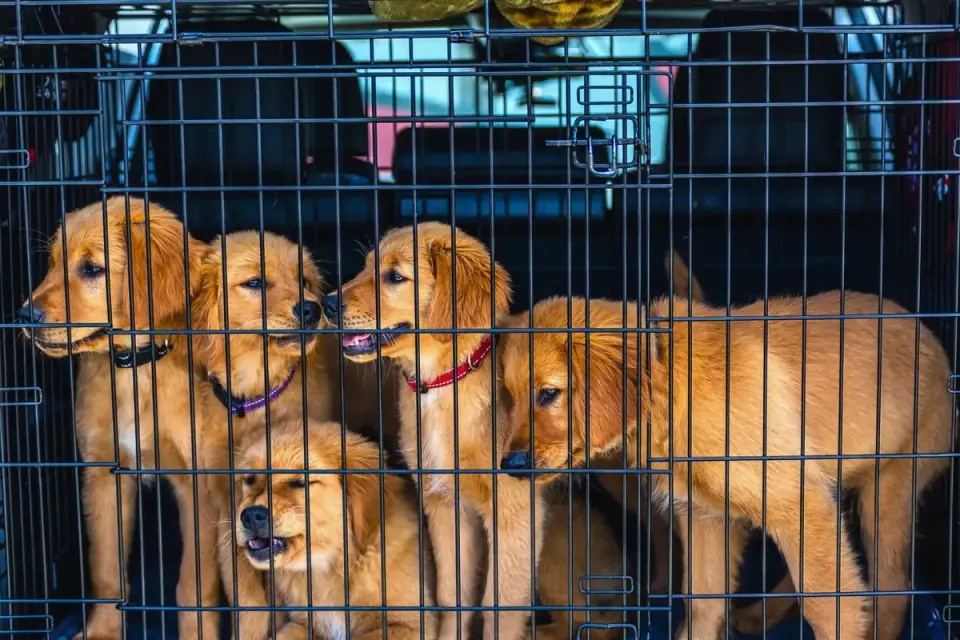
Airlines do not approve carriers in the abstract. Each airline sets maximum under-seat dimensions, requires leak-proof bottoms and secure closures, and gives gate agents final discretion to refuse a carrier that bulges, will not fit, or cannot stay closed. That gate-level judgment is where most homemade designs fail.
For cargo the bar is higher still, with rigid construction and ventilation rules tied to the International Air Transport Association Live Animals Regulations. Owners are often surprised to learn that even well-made soft carriers can be turned away if the dog cannot stand and turn, which I review in Best Airline-Approved Dog Carriers: What “Approved” Actually Means.
A zipper that opens from a nose nudge, mesh sewn without binding, or a bottom panel that bows under weight will read as insecure to staff. Denial at boarding is stressful for a balanced dog and much harder for an anxious or stiff senior who has already waited in a loud terminal.
When a simple DIY carry may still help support calm
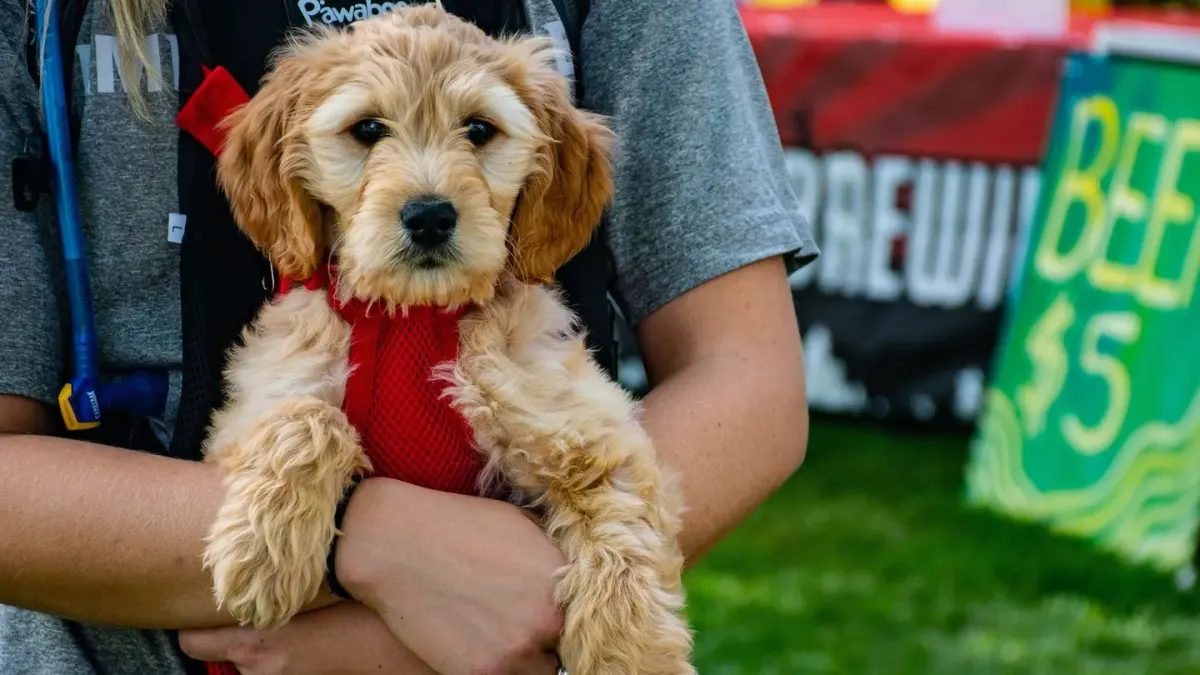
There is a narrow place for homemade help. For a small, healthy adult dog on a short, supervised outing on foot — from house to car, around a festival ground, or during gradual carrier training — a sturdy tote lined with a non-slip mat can serve as a training prop. Keep trips under fifteen minutes, keep the dog leashed inside to a harness, keep one hand on the structure, and watch breathing and posture.
My adopted dogs have consistently needed a toilet stop during the journey home, and that same need to pause applies to carrier practice. Plan a potty break before confinement, offer water after, and end the session before panting or restlessness builds. If you need to find a legal spot in a terminal, preview Airport Pet Relief Areas: How They Work and Airline Pet Policies: What to Check Before You Book before travel day.
Do not use this level of DIY for cabin flight, checked cargo, or an unrestrained back seat. Heat builds faster in deep totes with high fabric walls, and a dog that overheats on a hot pavement visit will spend more time resting and show less interest in play rather than settling happily.
How to pressure-test any carrier before you trust it
Whether borrowed or sewn, run the same four checks over three short sessions, pairing treats with sitting inside before adding motion as many trainers do for car time.
- Fit: dog can stand, turn, and lie with head clear of the top by two to three inches.
- Shape: press the top and sides firmly. Height should spring back, not crease onto the dog.
- Closures: tug each zipper and seam from inside with moderate pressure. Look for gaping, slipped stitches, or teeth that separate.
- Ventilation and cleanability: three ventilated sides, a firm waterproof base, and a removable pad you can wash after a toilet accident.
flights, and while numbers are small the pattern is steady: heat, ventilation, and handling transitions carry real risk. A carrier that holds cool airflow and stays shut through jostling may help support steadier breathing and Shen, or calm presence, through those transitions.
Lower-cost paths that keep tested construction
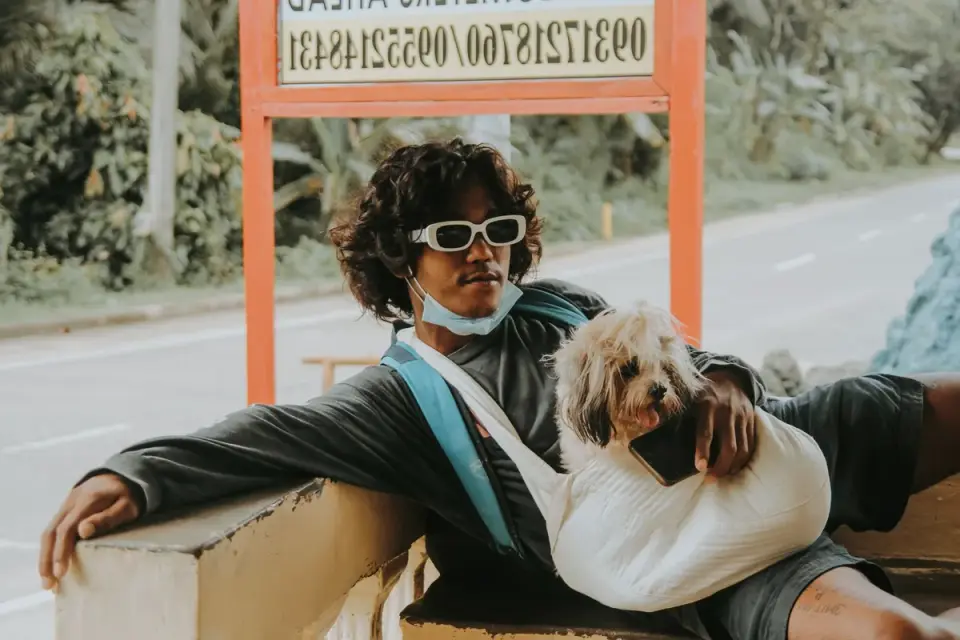
If budget drives the DIY question, consider a secondhand airline-compliant soft carrier with intact frames and zippers, a shelter loan program, or a basic rigid crate already owned for car use. Wash it, check all hardware, and practice at home for a week. For aging joints, add a thin orthopedic pad that still leaves head clearance, and choose a carrier with a wide side opening so the dog steps in rather than being lowered through the top.
I introduced car time gradually with Deegan, pairing treats with sitting inside a borrowed structured carrier before adding the engine and short outings, and Jacqueline reported less scrambling once the walls stopped folding inward. The plant world teaches the same lesson here as lung-supporting botanicals do in my practice: containment should guide flow rather than constrict it, and whole-patient steadiness grows from open air and secure boundaries held together.
For flights or long drives, leave the sewing machine for bedding and toys. Choose tested construction, confirm your exact flight dimensions in writing, and train early so the carrier signals rest rather than alarm.
Frequently asked questions
Can I sew my own airline-approved dog carrier?
You can sew a tote for short supervised carries, but airlines do not pre-approve homemade designs and gate agents can refuse anything that will not fit under the seat, stay closed, or hold ventilation. For cabin or cargo travel use a manufactured carrier that matches your exact flight dimensions.
What is the biggest safety problem with DIY carriers?
Loss of shape under load. Soft sides fold inward, zippers gap when pawed, and bottoms bow, which can restrict airflow and allow escape during braking or handling. Press the top and sides firmly at home — if height does not spring back, do not travel in it.
Is a DIY carrier okay for car travel?
Only as a training prop for very short, supervised sessions with the dog also leashed to a harness. For regular car travel use a secured crate or crash-tested harness system with intact anchor points.