Travelling With a Newly Adopted Rescue Dog: What Changes
A preventive guide to first trips with a rescue dog — settling timelines, car setup for stiff joints, and low-stress handling that may help support comfort.
If you just adopted him, plan the first trip around rest and predictability, not mileage — his joints and his trust both need the same thing.
On this page
You expect the happy road-trip photo, and instead you get panting, drooling, and a dog who will not settle. I see this often in the first month after adoption, and it is normal. A rescue dog is still learning your rhythms, your car, and whether travel means something safe. My position is simple: postpone any non-essential trip for the first two to three weeks and use that time to build a travel baseline at home. The strongest counterargument is that early travel socializes him faster, and for a confident, well-adjusted dog that can be true. For most newly adopted dogs, though, early novelty stacks stress on stress, and comfort falls apart first in the body — tight muscles, stiff movement, gut upset.
Three weeks in, a four-year-old, 52-pound hound mix I counseled was still the classic example. He had been home exactly 19 days when his owners tried a four-hour lake drive. At home he was loose and goofy, but by mile 40 he was standing, circling, and whining, then refused to lie down on the back seat. By day 10 after they reset with driveway practice and short loops, he could settle on a padded mat for 25 minutes without standing. That change — from standing the whole ride to choosing rest — told us his baseline was finally readable, and only then could we judge what travel support he actually needed.
The first three weeks set the joint baseline
You cannot tell what is travel stiffness and what is just new-dog tension until you have watched him move at home. Give him a predictable routine, same bed, same short walks, and watch how he rises in the morning, climbs stairs, and gets in and out of your car. Stiffness that eases after a few minutes of easy walking is different from limping that persists, and that distinction is your baseline.
This is preventive care, not overprotection. The American Veterinary Medical Association recommends a veterinary check and secure restraint before travel, and I would add one step for rescues: ask that exam to include gait, weight, and joint comfort. Extra weight and long hours in one position may make stiffness more noticeable, and a padded, level resting surface may help support comfort on longer rides. Realistic timeline: expect two weeks for house patterns to steady, and a full month before you trust what you are seeing.
Expect gut changes too. New food, new water, and motion can loosen stool for a few days.
What changes once you are actually in the car
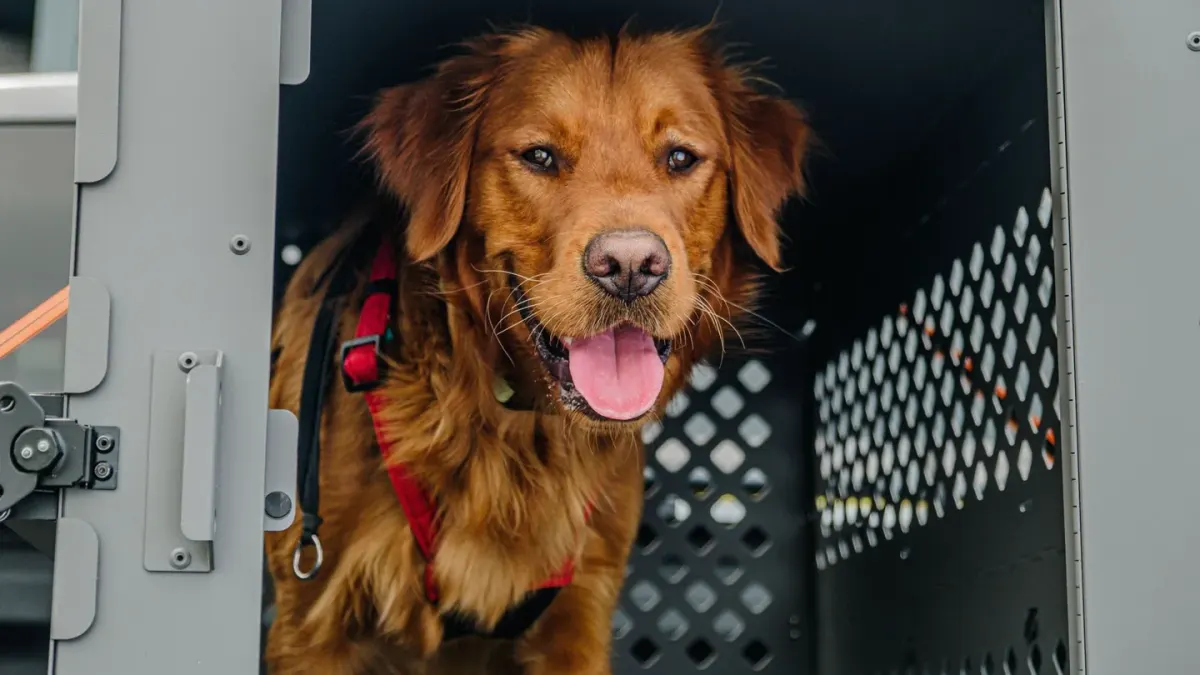
Everything is louder, tighter, and less predictable to him. Restraint matters more, not less, because a frightened new dog is more likely to bolt at a rest stop or climb into your lap. A crash-tested harness or secured crate keeps him in one place so he can actually rest instead of bracing around every turn. If you are weighing options, my explainer on best crash-tested harnesses walks through what testing actually means.
Size changes the setup. A small dog may do best in a secured carrier on the seat, while a large dog needs a flat, non-slip surface in the back with room to shift without falling. I break down those tradeoffs in traveling with a small dog vs a large dog.
Keep the first rides boring. Five minutes around the block with a chew, then home. Then ten minutes to a quiet park and back. Crack windows for air but do not let his head hang out, keep the temperature cool, and stop every two hours for water, a sniff walk, and an easy on-leash stretch. The ASPCA travel guidance makes the same point about ventilation, rest stops, and never leaving a dog alone in a car, and with a rescue the risk is higher because you do not yet know how he handles heat or confinement.
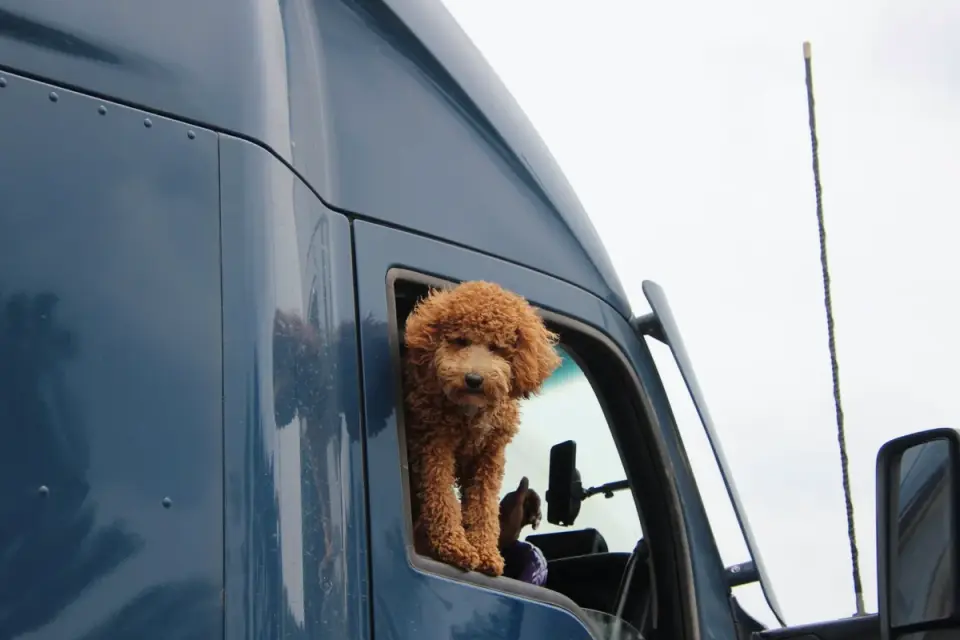
A couple tried the opposite with their two-year-old, 38-pound terrier mix, and it taught us a lot. On day four home they drove six hours to family, assuming exhaustion would settle her. She did sleep, but it was a flat, shut-down sleep, and for three days after she was clingy, skipped meals, and bunny-hopped up the porch steps she had managed fine before. It was not an injury so much as overload — too much stillness, too much novelty, no baseline to compare against. Once they paused travel for two weeks and rebuilt with short, treat-paired rides, her movement evened out and car whining dropped from constant to occasional.
The rescue-specific details owners miss
Unknown history changes your prep. You may not know his vaccine record, motion-sickness pattern, bite threshold when startled, or how he reacts to strangers reaching into the car. Carry paper vaccine records, keep ID on collar and microchip current, and use a double-clip leash setup at stops until you know he will not slip a collar.
Do not assume he will ask to stop. Many rescues go quiet instead of signaling, so you set the schedule. Offer water at each stop, watch for lip-licking, yawning, drooling, or refusal to re-enter the car, and cut the day short if you see them. For feeding, keep his shelter diet for the trip and bring familiar water from home if his stomach is sensitive.
Plan for decompression at the destination. Same bed, same blanket, a quiet corner away from foot traffic, and a short sniff walk before you ask him to settle. Predictability is what lets muscles relax.
By week six, an eight-year-old, 64-pound shepherd mix showed the edge case I watch for in seniors. He had been home a month and rode well for an hour, then struggled to rise after a three-hour ride to a cabin, especially on his right hind. The owners worried travel had hurt him. On exam his hips were arthritic but stable — the issue was duration without movement plus a sloped, slippery cargo area that forced him to brace the whole way. We changed the setup to a level, high-density foam pad, added a non-slip ramp, and capped legs at 90 minutes with a five-minute walk between. He still needed the same low-stress plan as any rescue, just with firmer joint support built in.
Patience here pays off for years.
Where I land
Skip the big trip for now if you can. Build the baseline, keep rides short and well-padded, and let rest be the goal. A rescue who learns the car means calm, predictable rest will travel better at month six than one pushed at week one.
For related context, read Traveling With a Small Dog vs a Large Dog: What Actually Changes.
For related context, read Airline Pet Policies: What to Check Before You Book.
Frequently asked questions
How long should I wait before a long trip with a newly adopted dog?
For most rescues, wait at least two to three weeks for house routines to steady, then build from 5- to 10-minute practice rides before attempting a multi-hour trip.
What if my rescue dog will not lie down in the car?
Shorten the ride, level and pad the surface, use secure restraint, and practice settling at home on the same mat. Persistent panting, drooling, or refusal to re-enter means pause and reset shorter.
Sources
- Traveling With Your Pet — American Veterinary Medical Association
- Travel Safety Tips — ASPCA