How to Keep Your Dog Warm When Tent Camping
A vet's checklist and evidence-based guide to preventing hypothermia and keeping dogs comfortable overnight in a tent, from sleep systems to warning signs.
Keeping a dog warm while tent camping comes down to insulation off the ground, a dry sleep system, and watching for early cold-stress signs.
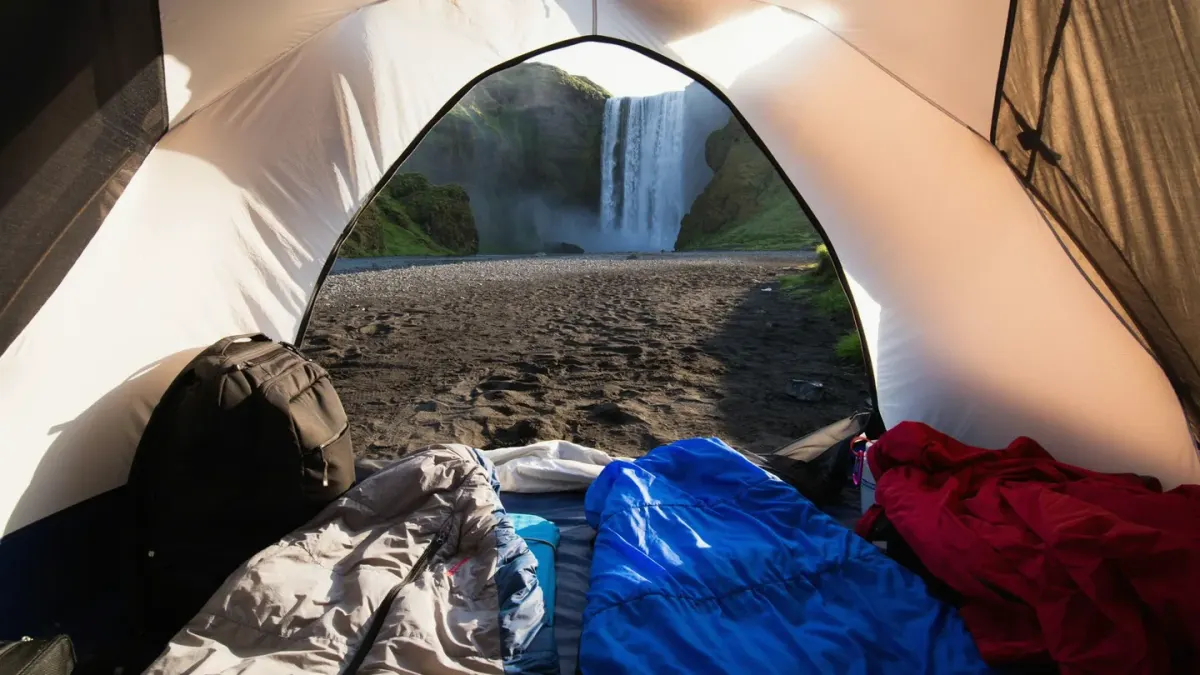
I still remember a nine-year-old husky-mix named Koda who came into my clinic the morning after his first fall camping trip, stiff through the hips and reluctant to jump into the car. His owner had done almost everything right — good food, a rated sleeping bag for himself — but Koda had spent the night directly on the tent floor with only a thin fleece blanket under him. The overnight low had been around 38°F. Koda wasn’t hypothermic, but he’d been cold enough, long enough, that his joints tightened up and stayed that way for two days. That case has shaped how I talk to camping clients ever since: the ground is the enemy, not just the air.
Checklist: what actually keeps a dog warm overnight
- Insulate off the ground first — a raised cot or a closed-cell foam pad under the dog’s bed, not just a blanket
- Choose gear rated colder than the forecast low, since tent interiors track close to outside air overnight
- Keep the dog dry before bed — a wet coat pulls heat away far faster than cold, dry air does
- Know your dog’s individual cold tolerance — coat type, body size, age, and joint or endocrine conditions all change the equation
- Watch for early signs of cold stress: shivering, seeking your lap or sleeping bag, curling tightly, reluctance to move
- Have a warm-up plan — a spot in your own sleeping bag or an extra layer you can add without breaking camp
- Check paws and extremities in the morning for stiffness, cracked pads, or lingering coldness in ears and tail
Each of those earns its place on the list for a specific reason, and a few of them trip up experienced campers more than beginners.
Ground insulation matters more than most owners expect
A sleeping bag rated for freezing temperatures does very little for a dog lying directly on a tent floor, because the ground pulls heat out of a body through direct contact far faster than still air does. This is the same principle backpackers rely on when they choose a foam pad over “just a warmer bag” — R-value, not just air temperature, determines how cold you feel by morning. For dogs, that means a cot, a foam pad, or a thick orthopedic bed stacked between the dog and the tent floor is doing more work than a blanket draped over the top.
Cold tolerance is not the same for every dog
The American Veterinary Medical Association notes that cold tolerance varies by individual, and that seniors, pets with arthritis, short-legged breeds, and dogs with conditions like Cushing’s disease or diabetes have a harder time regulating body temperature in cold weather. That matters directly for camping: a young, double-coated dog like a husky can tolerate an overnight low that would be genuinely risky for a lean, short-coated senior. Before a trip, it’s worth being honest about which category your dog falls into rather than assuming general cold-hardiness applies across the board.
Recognize hypothermia before it becomes an emergency
According to the American Kennel Club, early signs of hypothermia in dogs include shivering, lethargy, and cold ears, feet, or tail as blood shifts away from the extremities toward the core. As it progresses, breathing and heart rate can slow, and a dog may become weak, uncoordinated, or unusually quiet. The AVMA’s guidance is consistent with this: shivering, weakness, and moving slower than normal are the signals to bring a dog inside and warm it right away, calling a veterinarian if the signs don’t resolve quickly.
One thing I want owners to hear clearly: shivering is a useful early flag, but it isn’t a reliable late-stage indicator. A dog that has stopped shivering isn’t necessarily fine — in more advanced hypothermia the shivering response itself can shut off. If a dog seems oddly quiet, weak, or slow to respond after a cold night, that’s worth treating as more concerning than active shivering, not less.
I had a client years ago, a woman with a ten-year-old dachshund named Peanut, who called me mid-trip because Peanut wouldn’t get out from under the sleeping bag the next morning and felt cool to the touch along his belly and ears. She’d packed a coat but no ground pad, and the tent floor that night had been colder than the air temperature suggested. We talked her through warming him gradually with her own body heat and a dry towel rather than direct heat sources, and he came around within the hour. It was a mild scare, not an emergency, but it’s exactly the kind of case that convinces me ground insulation deserves top billing on any camping checklist, ahead of coats and blankets.
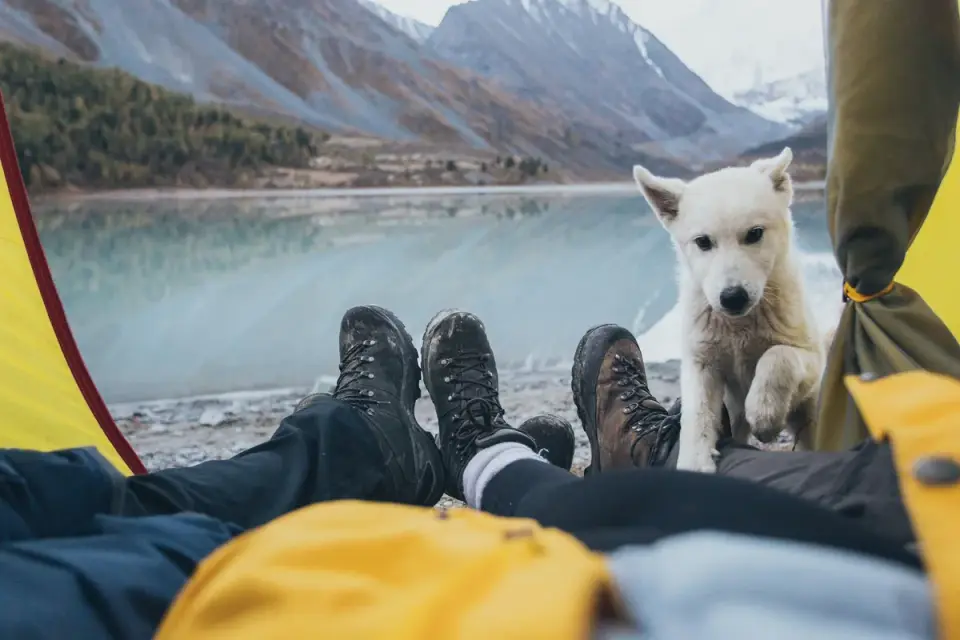
Build a warm-up plan before you need one
Even with good gear, plan for a fallback. Know whether your dog can share your sleeping bag, pack an extra fleece layer that isn’t the one already on the dog, and keep a dry towel accessible without digging through a pack in the dark. If you’re driving to the campsite, consider how you’d get a cold or stiff dog back to the vehicle before you’re actually facing that decision at 2 a.m.
For trips that also involve air travel to reach a trailhead or campground, it’s worth checking Airline Pet Policies: What to Check Before You Book ahead of time, since cabin temperature rules and carrier requirements differ from what you’d plan for a tent. If the trip includes a long drive instead, Can Dogs Ride Safely in the Bed of a Pickup Truck? covers a related exposure risk that owners often underestimate. And if cold-weather camping isn’t feasible for an older or arthritic dog this season, Boarding Kennel vs. Pet Sitter: Which Is Right for Your Dog? is a reasonable alternative to weigh.
Where I land
Coats and blankets get most of the attention in camping gear lists, but in my experience they’re not where cold nights actually go wrong. The dogs I’ve seen come back stiff, cold, or genuinely hypothermic from a camping trip were almost always lying on inadequate ground insulation, not under-dressed. If you do one thing differently on your next trip, put a real pad or cot between your dog and the tent floor, rate your gear for colder than the forecast, and learn what your own dog’s early cold signs look like before you’re reading them by headlamp at midnight.
Frequently asked questions
How cold is too cold for a dog in a tent?
There's no single number — the AVMA notes cold tolerance depends on coat type, size, age, and health conditions like arthritis or Cushing's disease, so a hardy young dog may be fine at temperatures that are risky for a senior or short-coated dog.
Is a dog coat enough to keep a dog warm overnight camping?
A coat helps with air temperature but does little against heat loss through direct contact with cold ground, so ground insulation such as a foam pad or cot matters just as much, if not more.
What are the first signs my dog is getting too cold?
Early signs include shivering, seeking warmth or contact, cold ears and paws, and reluctance to move; per the AKC, these can progress to weakness and slowed responsiveness if the dog isn't warmed up.
Sources
- Cold weather animal safety — American Veterinary Medical Association
- Hypothermia in Dogs: How Cold Is Too Cold? — American Kennel Club