5 Rules for Lima Beans for Dogs Done Right
Can dogs eat lima beans? Learn when cooked plain lima beans fit, why raw and salted canned beans do not, and how much to serve.
Feed dogs only fully cooked plain lima beans in spoonful portions, and skip raw beans and salty cans entirely.

On this page
Cooked plain lima beans can fit for many dogs as a small fiber add-in, while raw dried beans and salty canned beans should stay out of the bowl. From the plant outward, the lima bean is a starchy legume with gentle soluble fiber and plant protein that may help support steady digestion and comfortable stools when it is fully softened by heat and served in a modest amount within a balanced diet.
1. Cooked plain is the only form that fits
Dried limas need soaking and then boiling until completely tender with no bite left in the center, prepared with water only and no onion, garlic, salt, butter, or broth. Frozen limas that are boiled plain until soft work the same way once cooled to lukewarm. For context on how preparation changes a vegetable, see Can Dogs Eat Green Beans? What the Evidence Actually Supports and Are Mushrooms Safe for Dogs? What Actually Determines the Risk.
The U.S. Department of Agriculture lists cooked lima beans as a source of dietary fiber, starch, folate, potassium, and magnesium in FoodData Central, which helps explain why owners reach for them as a spoonful alongside regular food rather than as a meal by themselves.
2. Raw beans and salty cans are the ones to avoid
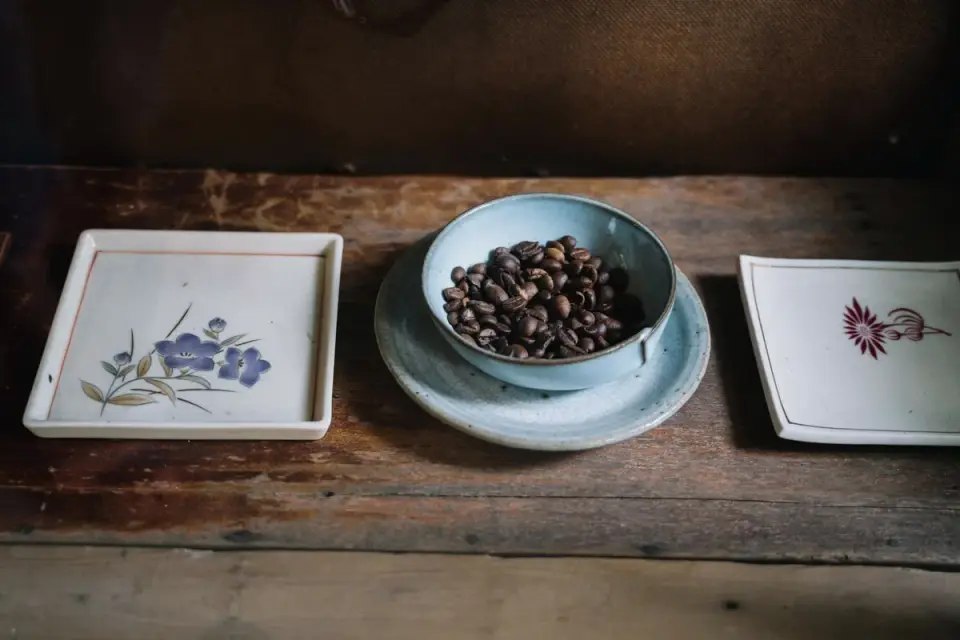
Raw or undercooked dried beans retain lectins and other heat-labile anti-nutrients that can irritate the gut, and limas also contain linamarin precursors that cooking helps reduce. The U.S. Food and Drug Administration describes phytohaemagglutinin and related bean lectins as a cause of foodborne illness from raw or undercooked kidney and similar beans in the Bad Bug Book, which is why thorough boiling matters and slow-cooker or light steaming is not enough.
Canned limas and baked beans bring a second concern in sodium, sugar, spices, and often onion or garlic powder. If you only have a can, the safer choice is to skip it rather than rinse and hope, since rinsing lowers but does not remove seasoned additives.
3. How much fits a whole-patient bowl
Think condiment, not component. For a small dog, start with one to two tablespoons of mashed cooked limas mixed into complete food, and for a medium to large dog, two to four tablespoons, a few times per week rather than daily. Watch stools, gas, appetite, and comfort for 48 hours before repeating, and keep extras under about 10% of daily calories so the balanced ration still carries the nutrition.
Dogs with chronic kidney disease, heart disease on sodium restriction, diabetes with tight glucose targets, or a history of pancreatitis, flatulence, or bean sensitivity need a more careful plan, and puppies, seniors, and underweight dogs need calories from complete food first. When stools turn soft or gassy, pause the beans and return to plain meals, much as I describe for gradual fiber additions in Adding Pumpkin to Your Dog’s Meals: How Much Actually Helps Digestion.
4. Serve them soft, plain, and cool
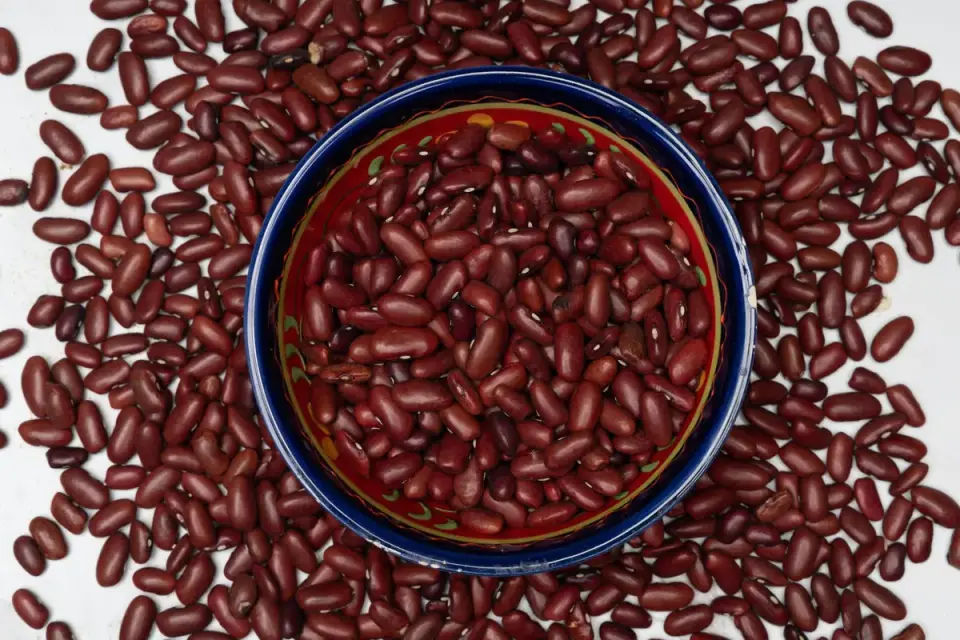
Rinse dried beans, soak, discard the soak water, then boil in fresh water until the skins split easily and the center mashes with a fork. Drain, cool fully, and lightly mash or chop for small dogs and gulpers to lower choking risk. Refrigerate leftovers promptly and discard after three days, and never serve baked beans, chili beans, refried beans, or mixed bean salads with onion or garlic. For why that allium rule matters, see Are Onions Toxic to Dogs? Yes — Here’s What the Science Actually Shows.
5. When to skip beans and call your veterinarian
Skip lima beans entirely for dogs with known legume intolerance, repeated gas or loose stools from beans, or veterinary advice to limit fiber, potassium, or plant protein. The ASPCA Animal Poison Control reminds owners to confirm plant-food safety and to call promptly with what was eaten and how much when a dog eats raw beans, heavily seasoned beans, or beans cooked with onion or garlic.
Seek same-day care for repeated vomiting, diarrhea, belly pain, bloat, refusal to eat, or lethargy after beans, and bring the package or recipe so the team can assess sodium, alliums, xylitol, and other additives.
Frequently asked questions
Can dogs eat lima beans?
Dogs can eat fully cooked plain lima beans in small amounts as an occasional fiber add-in. Avoid raw dried beans and canned or seasoned beans with salt, onion, or garlic.
How many lima beans can I give my dog?
Keep it small — one to two tablespoons for small dogs and two to four tablespoons for larger dogs, mixed into complete food a few times per week, and stop if gas or soft stools develop.
Are raw lima beans dangerous for dogs?
Raw and undercooked beans can irritate the gut and are harder to digest. Always soak and boil lima beans until completely soft, with water only, and serve cooled.
Are canned lima beans safe for dogs?
Canned versions are best avoided because of sodium and seasonings, often including onion or garlic. Choose dried or frozen limas cooked plain instead.