My Dog Ate Butter and Is Throwing Up: What to Do Next
A vet explains why butter causes vomiting in dogs, how to monitor at home, and when repeated vomiting or belly pain means same-day care.
If your dog ate butter and is throwing up once, withhold food briefly, but repeated vomiting needs same-day vet care.
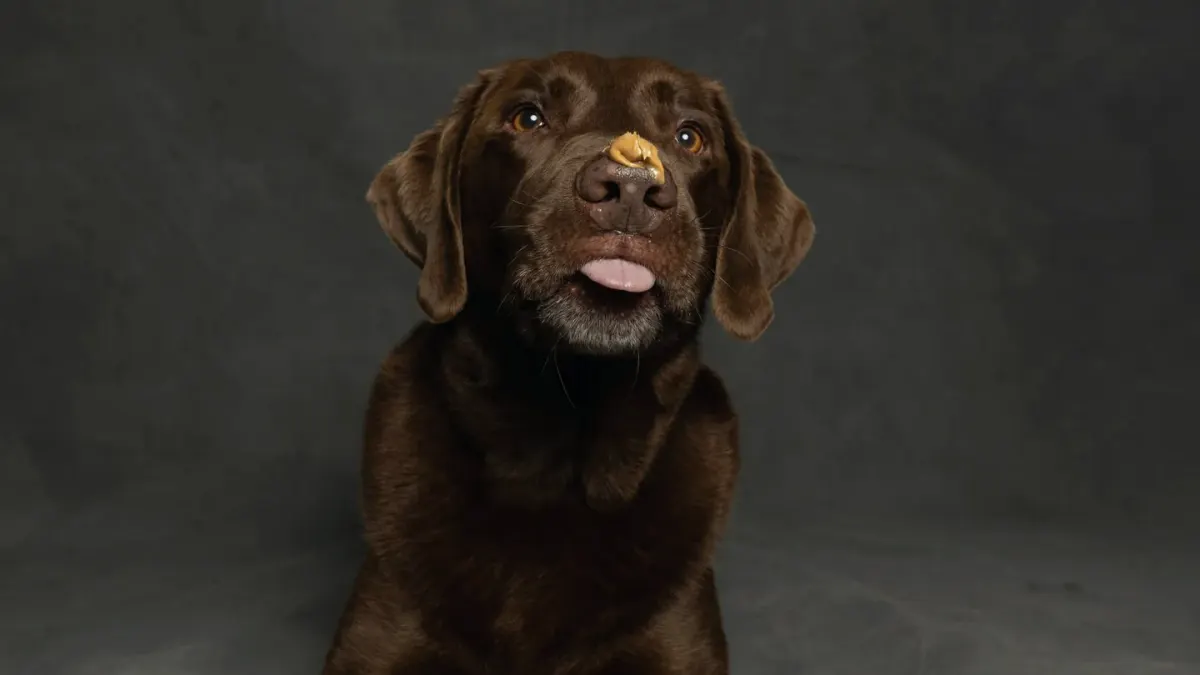
If your dog ate butter and is throwing up, the fat load is the most likely trigger, and one or two episodes that settle often just need a quiet stomach and close watching.
Butter is almost entirely milk fat with very little else to slow digestion. A sudden fatty meal can irritate the stomach lining, delay emptying, and cause nausea, drooling, lip-licking, and vomiting. Small dogs, seniors, and dogs with a sensitive gut or prior pancreatitis tend to react to a smaller amount.
From a whole-patient view, I think of this as comfort first and function second. The goal is to help maintain hydration and gut comfort while we see whether the whole-patient picture stays stable — energy, belly comfort, thirst, and stool — rather than chasing the vomit count alone.
Why butter upsets a dog’s stomach so fast
Fat slows the stomach and signals the gut to work harder. After a stick, a greasy wrapper, or buttery leftovers, many dogs vomit undigested fat within a few hours, then act hungry again. That quick rebound is reassuring.
The concern is not toxicity in the poison sense. Plain butter does not contain xylitol or onion and garlic compounds like some flavored spreads and rich table foods do, topics we cover separately in Are Onions Toxic to Dogs? Yes — Here’s What the Science Actually Shows and Can Dogs Eat Apples? What the Evidence Actually Supports. The risk after butter is continued gastrointestinal upset and, in some dogs, inflammation of the pancreas after a high-fat meal.
VCA Hospitals lists dietary indiscretion, including fatty foods and garbage ingestion, among the common causes of acute vomiting in dogs, and notes that persistence, blood, pain, lethargy, or inability to keep water down should prompt veterinary evaluation.
What to do tonight if vomiting has slowed
If your dog vomited once or twice and is now resting comfortably, pause food for a few hours but do not withhold water unless your veterinarian tells you to. Offer small sips of water. If water stays down for 2 to 3 hours, offer a small bland meal — plain boiled chicken breast or turkey with white rice in a 1 meat-to-rice ratio, lukewarm, about one-quarter of a normal meal.
Watch for 24 hours. Keep walks short and on leash so you can check stool. Skip treats, chews, peanut butter toppers, and fatty leftovers. Dogs that treat food from the hand as extra special may beg, but a boring menu helps the gut rest.
Pumpkin is sometimes useful once vomiting has stopped and the dog is holding down bland food, not during active vomiting. For portion context, see Adding Pumpkin to Your Dog’s Meals: How Much Actually Helps Digestion.
Do not give anti-nausea drugs, antacids, or human stomach remedies on your own. They can mask worsening signs and change what your veterinarian would choose next.
Food therapy in TCVM frames this as easing digestive burden while warmth and motility recover. That may support comfort alongside conventional monitoring, but it does not replace an exam when red flags appear.
Same-day red flags after a fatty meal
Call your veterinarian the same day, or go to urgent care, for repeated vomiting, retching without bringing anything up, belly tenderness, a hunched or prayer position, whining when the belly is touched, fever, marked lethargy, bloody vomit or stool, or inability to keep water down.
Fatty meals are a recognized trigger for pancreatitis in susceptible dogs, with vomiting, anorexia, and abdominal pain as classic signs.
Small breeds, overweight dogs, dogs on high-fat diets, and dogs with prior pancreatitis, inflammatory bowel disease, or hyperlipidemia deserve a lower threshold for a call. If you know how much butter was eaten, when vomiting started, how many times it happened, and whether stool, energy, and thirst changed, bring those notes. Photos of vomit and the wrapper help.
If your dog settles, eats a bland meal, drinks normally, passes normal stool, and stays bright through the next day, transition back to the regular diet over 2 to 3 days. If soft stool lingers without vomiting or pain, your veterinarian can advise whether fiber, probiotics, or a recheck fits that dog’s whole-patient picture. For comparison on fats from another food, see Can Dogs Eat Avocado Safely? What the Fat, the Pit, and the Persin Actually Mean.
Frequently asked questions
How long will vomiting last after my dog ate butter?
Many dogs vomit once or twice within hours and then settle. If vomiting repeats more than 2 to 3 times, lasts over 12 hours, or includes belly pain, lethargy, or blood, call your veterinarian the same day.
Should I make my dog throw up more after butter?
No. Do not induce vomiting at home unless your veterinarian specifically instructs it. With butter, the priority is monitoring hydration, pain, and whether vomiting persists.
Can a little butter cause pancreatitis?
A lick rarely causes trouble in a healthy adult dog, but a stick or repeated fatty meals raise risk, especially in small, overweight, or pancreatitis-prone dogs. Repeated vomiting with belly pain after fat needs same-day care.