Reactive vs. Aggressive Dogs: The Difference That Actually Matters
A reactive dog and an aggressive dog can look identical mid-lunge. Here's the practical, evidence-based way to tell them apart and what to do about each.
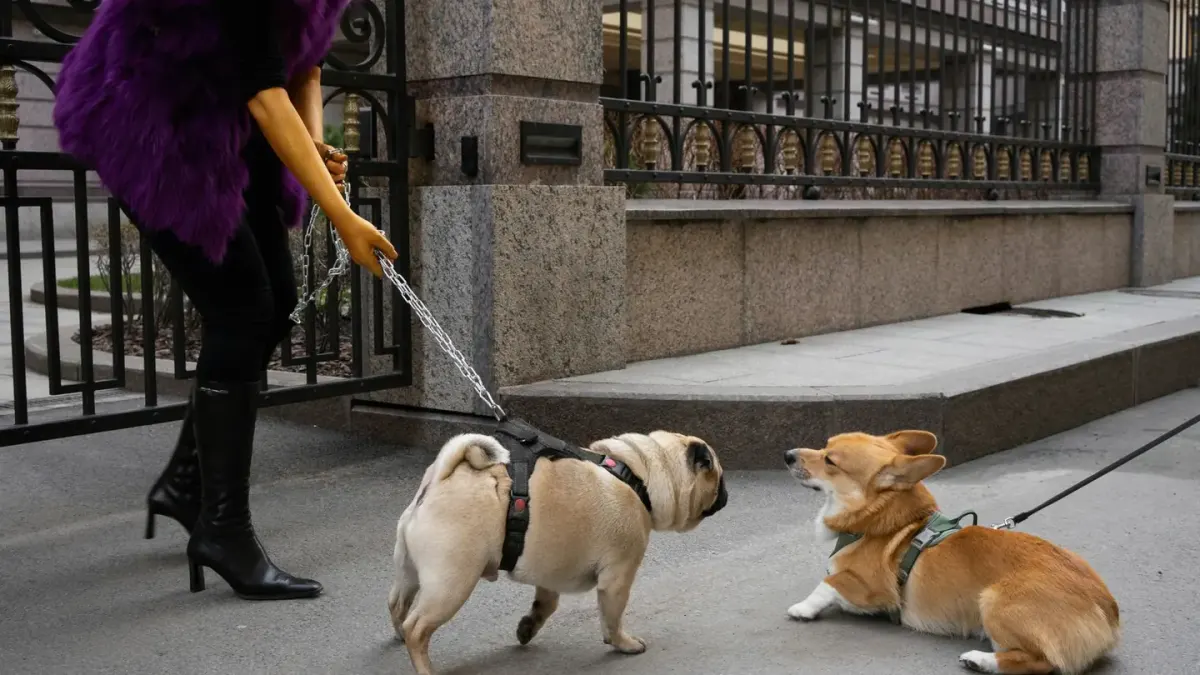
A reactive dog wants distance from a trigger; an aggressive dog wants the trigger gone — the goal decides the plan.
On this page
Ranger, a 52-pound Australian Shepherd, was three years old when his owner first called me. He was fine at home, fine on the couch, fine with the mail carrier. The problem was bicycles. The second a bike appeared half a block away, Ranger would go rigid, then explode — barking, lunging, snapping air. His owner used the word “aggressive” on the phone. Twenty minutes into the appointment, watching Ranger settle the instant the bike turned a corner and vanished, I used a different word: reactive.
That distinction is not semantics. It changes the diagnosis, the training plan, and the prognosis. Here’s the short version: a reactive dog is overwhelmed and wants distance; an aggressive dog wants the trigger to stop existing. Everything else in this article builds from that one difference.
The Question That Actually Separates the Two
Ask one thing first: what does the dog want when the trigger disappears?
A reactive dog wants space. Pull the bike, the stranger, or the other dog out of sight, and the behavior stops fast — often within seconds. The arousal was never really “I want to hurt this,” it was “get it away from me.” Reactivity is, at its core, a fear or overstimulation response that got loud because loud works. Barking and lunging reliably increase distance from whatever is frightening, so the behavior gets reinforced every single time it succeeds.
An aggressive dog is different. Removing the trigger doesn’t reliably calm things down, because the goal was never distance — it was control over a resource, a space, or a threat. A dog guarding a bone from another dog isn’t trying to make the other dog go away in general; he’s trying to keep that specific object. A dog who bites when a stranger reaches for his collar isn’t overstimulated; he’s decided the hand is a threat that needs stopping. Aggression is functional and targeted. Reactivity is diffuse and distance-driven.
Body Language Overlaps More Than People Expect
Both dogs may show a stiff body, hard stare, raised hackles, and a closed mouth right before the outburst — this is one reason owners conflate the two. If you want to get better at reading the early signals before either state builds, it helps to understand why dogs growl when petted, since a growl during touch is often the clearest, most honest signal a dog gives before things escalate — reactive or aggressive.
What Reactivity Looks Like on a Daily Walk
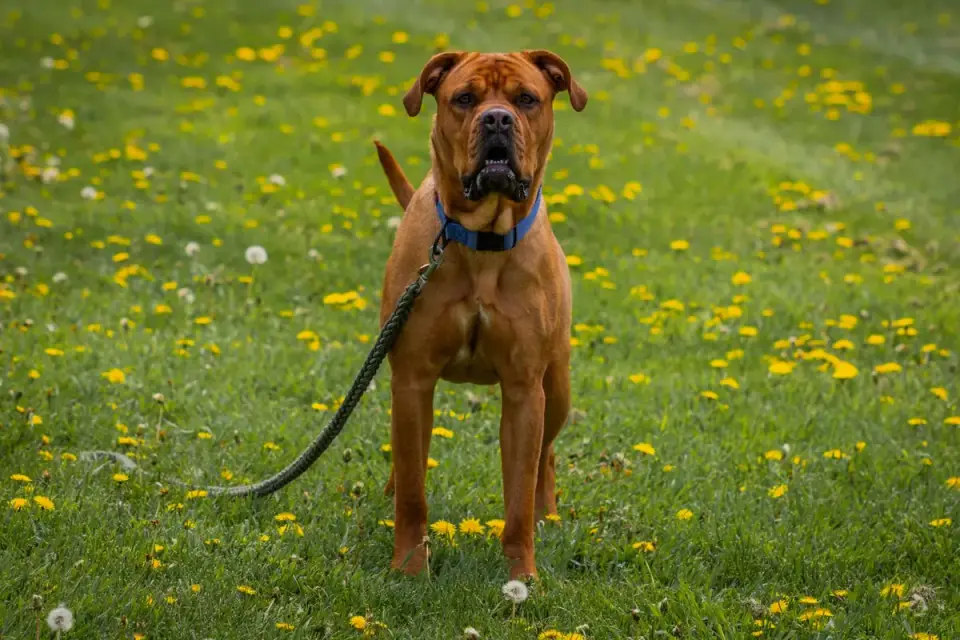
Reactive dogs tend to share a pattern:
- The trigger is usually specific — other dogs, bikes, skateboards, men in hats, joggers.
- The response is loud and dramatic but rarely results in contact.
- Distance is the fix. A U-turn or a wider berth changes the dog’s behavior within seconds.
- The dog often shakes off, yawns, or pants heavily right after the trigger passes — a sign the nervous system is coming back down.
- At home, off-leash, or away from the trigger, the dog is typically easygoing.
One of the dogs I worked with most recently, a nine-year-old Beagle mix named Pepper, had developed leash reactivity toward other dogs over about four months — her owner first noticed it during a stretch when a new, larger dog moved in next door and started barking at the fence every morning. Pepper had never so much as growled at another dog at the park before that spring. By summer she was lunging at every dog she saw on walks, even calm ones across the street. Her owner was weighing whether to stop walking her altogether versus working through it, worried about the embarrassment of the outbursts and unsure whether this was “just how she is now.” We started with distance management — crossing the street before Pepper noticed a dog rather than after — and within about six weeks her threshold distance had shortened from half a block to roughly fifteen feet. That is a single case, not a guarantee, but it illustrates how much the environment itself drives reactive behavior.
What True Aggression Looks Like — and Why the Label Gets Misused
Aggression is a smaller, more specific category than most owners assume. True aggression usually involves:
- A clear, narrow trigger tied to a resource, territory, or a specific threat (a hand reaching over a food bowl, a stranger entering the yard, another dog approaching a puppy).
- Escalation that continues, or even increases, when distance doesn’t change.
- A history of actual contact — bites, not just snaps toward air.
- Behavior that is often more controlled and quieter than reactive outbursts; some of the most dangerous aggression comes with almost no warning barking at all.
Pain Is a Trigger, Not the Same Diagnosis
Before anyone labels a dog “aggressive,” rule out pain. A dog with a sore hip, an ear infection, or early arthritis can start snapping at contact that never used to bother him, and that’s a medical problem wearing a behavioral costume. If a dog is unusually still, giving a hard stare, or showing whale eye when approached or touched, understanding what whale eye actually signals is a faster way to catch discomfort than waiting for a bite.
Why the Line Blurs: Both States Share the Same Stress Chemistry
Here’s where reactive and aggressive dogs overlap more than their outward behavior suggests: both are running on an activated stress response. The dog doesn’t distinguish “fear” from “frustration” the way a diagnostic label does — cortisol goes up, heart rate climbs, and the threshold for a bad decision drops either way.
This is also where the evidence on calming support actually lives, and it’s worth being precise about what it does and doesn’t say. A review in Biomedicines covering chamomile’s role in anxiety and stress notes that, for most species outside a handful of well-studied ones, “evidence is derived mainly from preclinical studies or traditional use” — a fair, unglamorous summary of where chamomile research for dogs actually stands. A systematic review published in Cureus looking at KSM-66 ashwagandha across multiple randomized controlled trials found “a moderate positive impact on stress reduction and cognitive performance,” though that evidence base is again concentrated in human trials rather than canine ones. And a review in Molecular Psychiatry on L-theanine reported meaningful effect sizes in human anxiety studies — for example, an SMD of 0.54 at 400 mg/day over 8 weeks in one trial — which is promising mechanistic support but not, by itself, a canine dosing study.
I bring this up because owners often ask me whether a calming chew will “fix” reactivity or aggression on its own. It won’t. Structure/function ingredients like these may help support a dog’s baseline stress response, which can make training sessions more productive, but they are not a substitute for management and behavior work — and they have essentially nothing to offer a genuinely resource-guarding or territorially aggressive dog whose behavior is functional, not fear-driven.
What Actually Works, and What Doesn’t
For Reactive Dogs
- Increase distance before the reaction starts, not after. This is the single highest-leverage change most owners can make this week.
- Pair the trigger’s appearance with something the dog loves, at a distance where the dog can still eat and think — this is classic counter-conditioning, and it fails if the distance is too short.
- Avoid flooding. Forcing proximity to “get the dog used to it” almost always makes reactivity worse, not better.
- If the early signs point to puppyhood-level impulse control rather than true fear, the groundwork in how to stop puppy biting and mouthing overlaps meaningfully with early reactivity prevention — both come down to teaching bite inhibition and frustration tolerance before habits set.
For Aggressive Dogs
- Rule out pain and medical causes first — always.
- Identify the exact resource or trigger; vague labels like “he’s just aggressive” make a training plan impossible to build.
- Bring in a certified veterinary behaviorist or a credentialed trainer experienced with aggression specifically, not general obedience. This is not a do-it-yourself category once there’s a bite history.
- Management (baby gates, muzzle conditioning, avoiding the trigger entirely) comes before any attempt to change the underlying emotional response.
Where I Land With Owners
I don’t tell owners their reactive dog is broken, and I don’t tell owners their aggressive dog just needs more exercise. Those are two different animals with two different plans, and conflating them wastes months.
A woman brought in her five-year-old Doberman, Otto, last winter after he’d bitten a delivery driver who reached toward the gate latch. She’d been calling him “reactive” for a year, hoping it would resolve with enough dog-park exposure. It hadn’t, because it was never reactivity — Otto was guarding territory with intent, and every well-meaning exposure session had taught him the strategy worked. Once we reframed it as territorial aggression with a clear trigger, the plan changed completely: no more dog-park socializing attempts, strict management at the gate, a muzzle-conditioning protocol, and a referral to a veterinary behaviorist for a fuller workup. Otto’s owner told me later that the relief of having an accurate label was almost as useful as the plan itself — she’d spent a year trying to solve the wrong problem.
My honest position: most owners underestimate how much a wrong label costs them in wasted training time, and most “aggressive” dogs I see are actually reactive dogs who never got enough distance early on. Start with the distance question. It’s rarely wrong, and it costs you nothing to try.
Frequently asked questions
Can a reactive dog become aggressive over time?
Yes, if reactivity goes unmanaged and the dog is repeatedly forced into close proximity with a trigger it can't escape, frustration and fear can compound into a dog that starts making contact rather than just posturing. Early management matters.
Is growling always a sign of aggression?
No. Growling is communication, often a dog's clearest warning before things escalate, and punishing it tends to remove the warning without removing the underlying discomfort — see [why dogs growl when petted](/articles/growling-when-petted/) for more on reading that signal accurately.
Do calming supplements help with reactivity or aggression?
They may help support a dog's baseline stress response as part of a broader plan, based on the human and preclinical evidence reviewed in sources like Cureus and Biomedicines, but they are not a treatment for either condition on their own and won't address a resource-driven aggression case.