What Can Dogs Safely Drink Besides Water?
Water is the only daily drink dogs need, with plain broth as a short-term aid for reluctant drinkers and several common drinks to avoid.
Fresh water does the daily work, with a tablespoon or two of plain onion-free broth stirred into water to coax drinking when illness or travel dulls thirst.
On this page
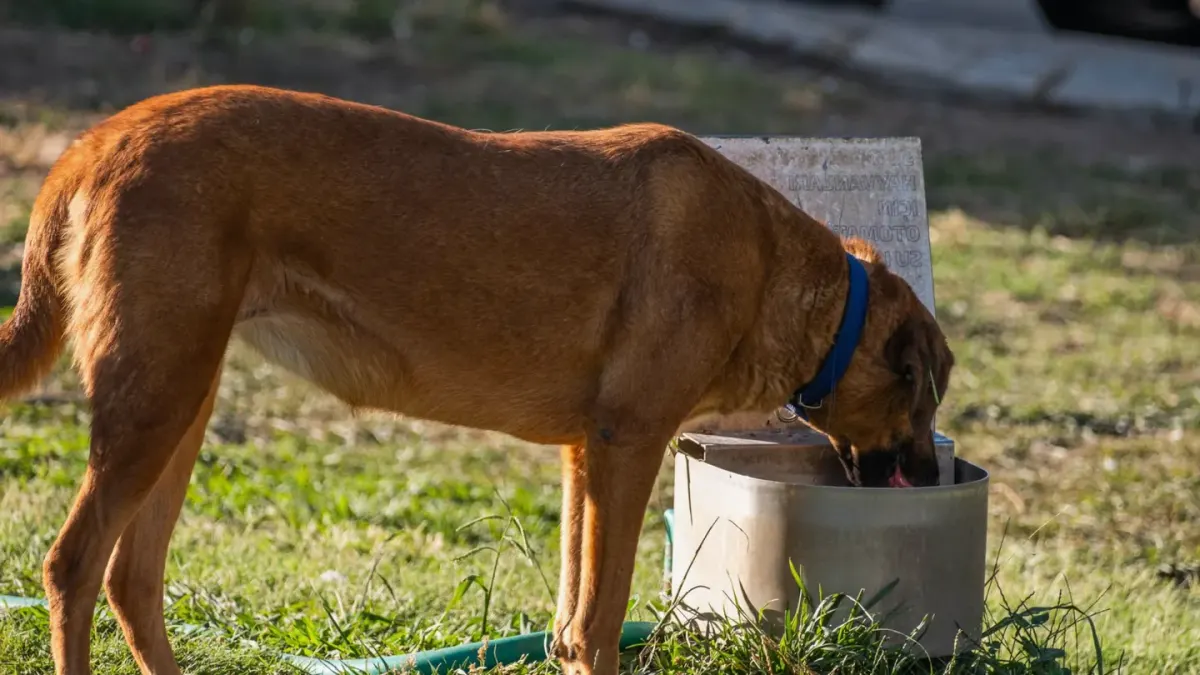
Fresh water carries every steady process in a dog from temperature balance to digestion and circulation, and no juice or milk or tonic can replace it. From a whole patient view, thirst reflects fluids and the warming work of digestion, and western physiology tells the same story through water turnover and kidney clearance. That shared picture points to one habit that may help support health in most dogs, which is free access to clean water with food and rest matched to the individual.
Why plain water stays central
Dogs lose water through panting and urine and stool, then replace it by drinking and by moisture held in food. Canned diets may help support fluid intake because they carry far more moisture than kibble, while dry fed dogs must drink more from the bowl to stay even. I watch for gums that turn tacky and skin that tents and urine that turns dark and scant and a dog that tires quickly on a familiar walk. Any one sign calls for fresh water first and veterinary care when lethargy or vomiting or diarrhea joins the change.
Flavored waters and fruit soaks add sugar without improving hydration. Water remains the drink, while food remains the nutrition.
Where warm broth earns its place
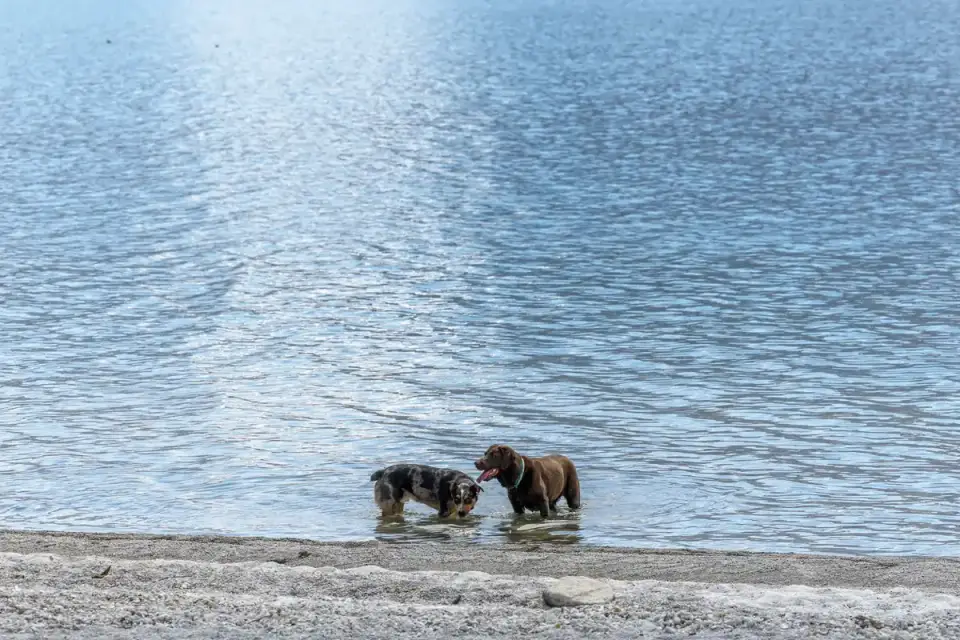
Plain meat broth made without onion or garlic or heavy salt may help support drinking when a dog turns away from the bowl after surgery or during mild stomach upset or on a hot travel day. Think of warming broth as aroma that moves outward to wake appetite and thirst, not as nourishment in itself. Western reasoning points to smell and taste driving intake, and Chinese pattern thinking reads the same moment as warmth inviting movement when cold and stillness have settled in the middle burner.
Use a tablespoon or two stirred into water or offered in a small side dish, then return to plain water once drinking resumes. Read the label with the same care used for table scraps. Onion and garlic powders hide in many store stocks, and excess sodium troubles dogs with heart or kidney disease. A patient of mine, Zeppole, a 3 year old spayed Bernese Mountain Dog from Beaumont, Texas, drank poorly for two days after a dental cleaning, and her owner Melanie found that warm water clouded with a little home simmered unseasoned chicken breast broth coaxed several small laps that plain water had not. The effect faded once nausea lifted, which is exactly the point, since broth opens the door and water keeps the house.
Goat milk or kefir comes up often in waiting room talk, yet lactose still ferments in many adult dogs and brings gas and loose stool. Coconut water adds potassium and sugar without a proven hydration edge for dogs. Electrolyte drinks belong only under direct veterinary direction for a defined illness, never as daily toppers.
Drinks that do not belong in the bowl
Alcohol injures even in small amounts, and caffeine overstimulates heart and nerves, so beer and coffee and energy drinks and matcha have no place for dogs. The ASPCA lists coffee and alcohol among people foods to keep from pets because sensitive animals may develop tremors or breathing changes. Sugary sodas and sweetened teas add calories without benefit, and sugar free drinks can hide xylitol. The U.S. Food and Drug Administration warns that xylitol can trigger rapid insulin release and liver injury in dogs, so any drink labeled sugar free needs a full ingredient check.
Apple cider vinegar tonics also trend online, though they offer acidity without hydration value and may irritate mouth and stomach. Plain water with prompt veterinary guidance serves a reluctant drinker far better than a home acid mix.
A calm way to offer more fluids
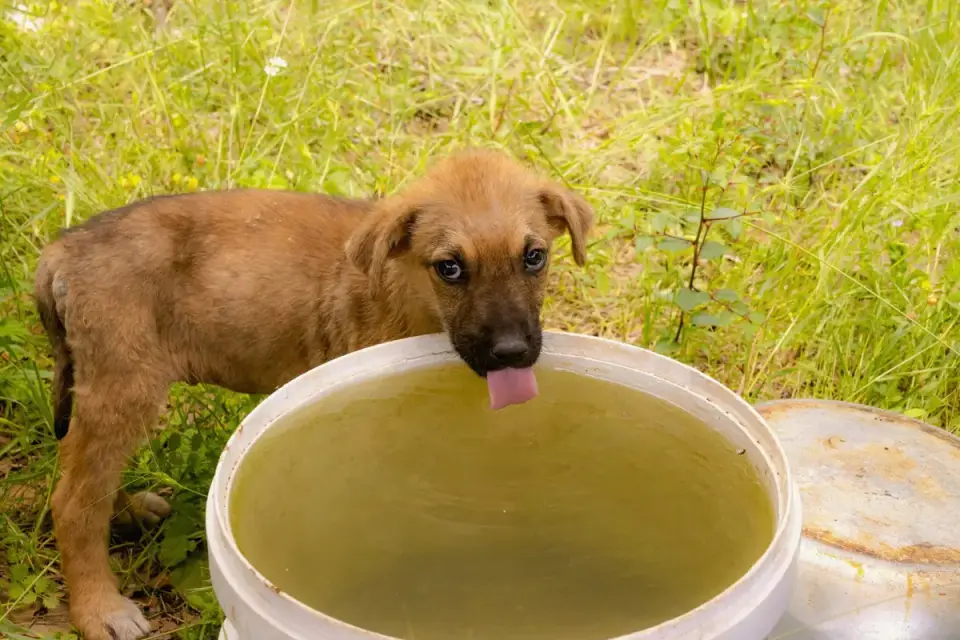
Change the water daily and wash the bowl to keep biofilm from dulling taste. Set one bowl in a quiet corner and another where the dog rests after play, since easy access often lifts intake more than any flavor. For dry fed dogs, add warm water to kibble and let it soak for ten minutes to soften texture and release aroma. Freeze plain water with a green bean or blueberry inside for summer enrichment rather than freezing juice.
Call the clinic the same day when a dog drinks far less for more than 24 hours or drinks far more for several days or pairs a change in thirst with vomiting or appetite loss or weight change. Those patterns can reflect fever or pain or kidney or hormonal disease, and early testing clarifies the path while fresh water holds the line at home.
For related context, read Can Dogs Eat Apples? What the Evidence Actually Supports.
For related context, read Can Dogs Eat Avocado Safely? What the Fat, the Pit, and the Persin Actually Mean.
Frequently asked questions
Can I give my dog broth every day instead of water?
No. Use a tablespoon or two of plain onion-free and garlic-free broth mixed into water for a day or two to encourage drinking, then return to plain fresh water.
Is milk or coconut water hydrating for dogs?
Both add sugars and offer no proven hydration advantage over water, and milk sugars often cause gas or loose stool in adult dogs.