What Cavaliers Should Not Eat to Stay Lean
Learn which human foods Cavaliers should skip to protect weight, heart health, and digestion.
Cavaliers do best when owners keep rich extras off the menu and meals lean and steady.
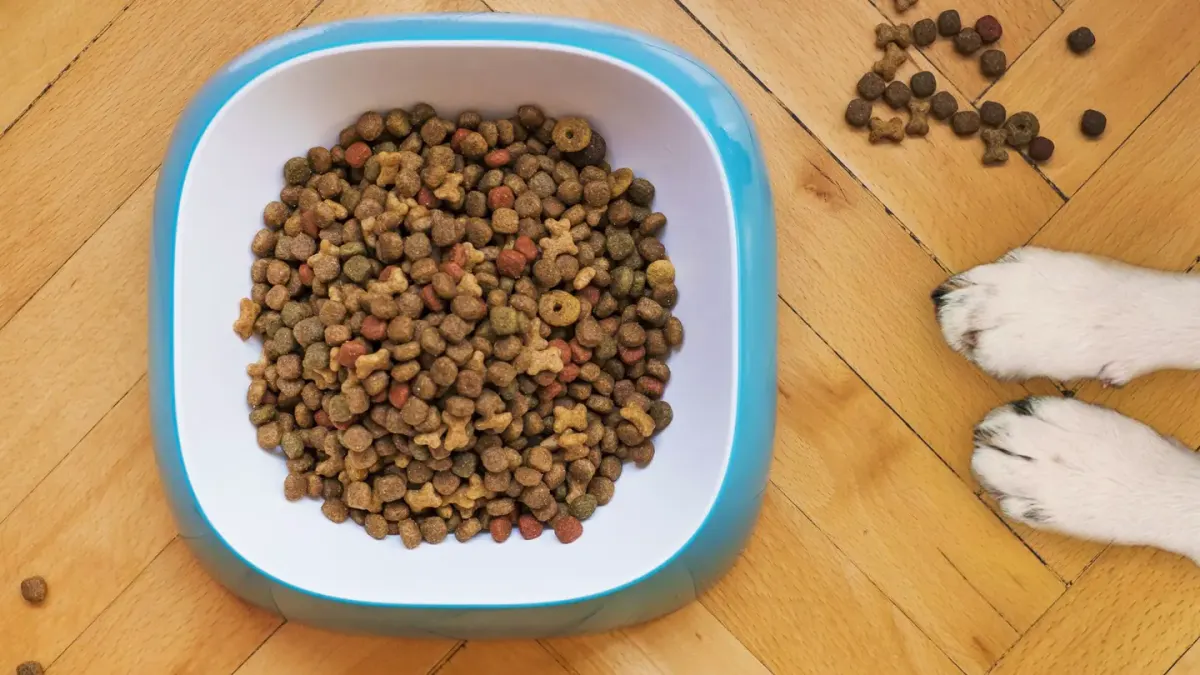
Sunday dinner is on the table, and a Cavalier King Charles Spaniel is tracking every bite from a lap nearby.
My verdict for this breed is simple. Feed a complete, portion-controlled diet, keep meals lean and low in rich extras, and treat toxic human foods as never-foods. That approach may help support healthy weight, steady digestion, and cardiac function in a breed already prone to weight gain and heart disease.
That begging stare is hard to resist.
Keep meals lean and steady first
Start with what to do each day. Feed a complete adult maintenance food in measured meals. Weigh the portion with a scale or standard cup. Keep treats to a small share of daily calories. Skip free-feeding. Log body condition every two weeks with ribs, waist, and energy as your guides.
Cavaliers gain weight easily, and extra weight raises workload on joints and the heart. Rich table foods are the usual driver. Fried meats, bacon grease, sausage, gravy, buttery potatoes, cheese sauces, and dessert scraps add fat and sodium without balanced nutrition. A single fatty meal can also trigger vomiting, diarrhea, or pancreatitis in a sensitive dog. Choose plain preparation instead. Offer the regular diet, fresh water, and a short walk after meals when your veterinarian approves activity.
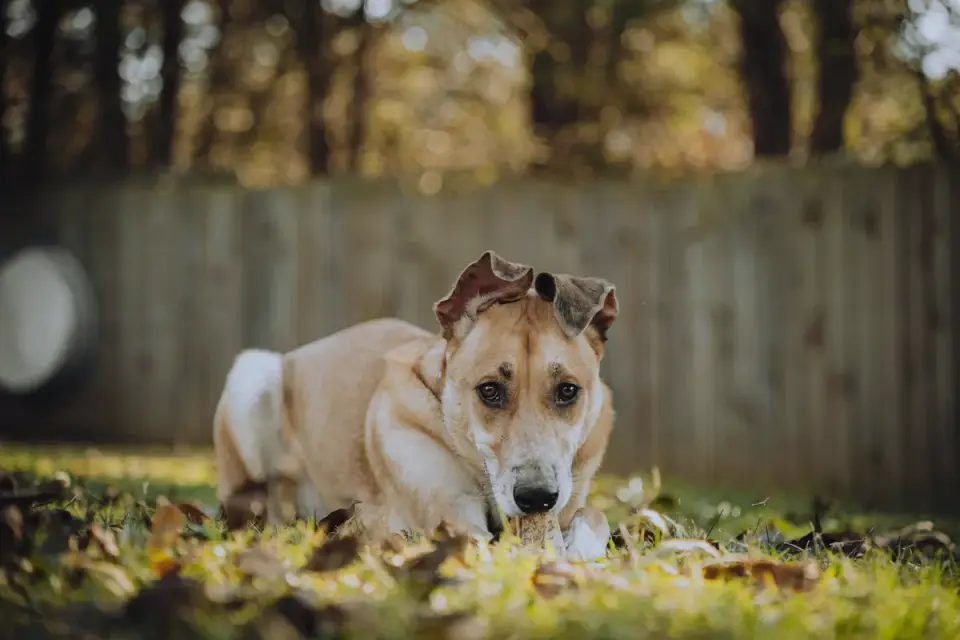
Foods to keep off the Cavalier menu
Ban the true toxins. Chocolate contains theobromine and caffeine, which affect the heart and nervous system, as described by the Merck Veterinary Manual in its review of chocolate toxicosis. Keep all cocoa, baking chocolate, and sugar-free candies secured. Products sweetened with xylitol, also labeled birch sugar, can cause a rapid insulin release and liver injury in dogs, a risk highlighted by the U.S. Food and Drug Administration.
Avoid allium vegetables. Onions, garlic, chives, and leeks can damage red blood cells and reduce oxygen delivery, a mechanism explained in the review of onion and garlic toxicity from VCA Hospitals. Risk applies to raw, cooked, powdered, and soup mixes. For context on how dose and form change the danger, see our guide on whether onions are toxic to dogs.
Limit other high-risk extras. Grapes, raisins, and currants have an unclear toxin but a clear record of kidney injury in some dogs. Macadamia nuts can cause weakness and vomiting. Alcohol, coffee, and energy drinks do not belong in a dog bowl. Fatty skin, drippings, and bones can cause gut upset or obstruction, and pits and large seeds pose choking risk. For comparison, learn what the fat, pit, and persin mean in avocado and what the evidence supports for apples.
Keep salty and seasoned foods low. Deli ham, jerky with garlic powder, canned soup, and fast food fries push sodium and flavorings a small Cavalier does not need. Plain cooked lean meat in tiny training amounts is a better choice than a plate scrap.
When lean and light is the wrong call
A strict low-fat, low-extra plan fits most adult Cavaliers. It does not fit every situation. A growing puppy, a nursing female, a markedly underweight rescue, or a dog recovering from illness may need more calories and a different nutrient profile. In practice, vets often see owners keep restricting after a dog has lost too much or turns up its nose at food.
Act on the observable signs. If ribs and spine feel sharp, energy drops, or weight falls for two weeks, stop trimming. Call your veterinarian. Ask about a recheck weight, a growth or recovery formula, and a short-term feeding plan. Return to maintenance portions only once body condition stabilizes.
For daily support, small habits matter more than supplements. Split food into two meals. Use part of the meal for training. Rinse and store fresh foods safely. Call poison control or your veterinarian right away if your Cavalier eats chocolate, xylitol, onions, grapes, or macadamia nuts, and bring the package when you can.
Frequently asked questions
What human foods are most dangerous for Cavaliers?
Keep chocolate, xylitol-sweetened gum and candy, onions, garlic, chives, grapes, raisins, macadamia nuts, and alcohol away from Cavaliers, and call your veterinarian right away after any exposure.
Can Cavaliers have table scraps?
Skip rich scraps such as fried meat, grease, gravy, cheese sauce, and seasoned sides. They add fat and sodium and can trigger digestive upset. Use measured dog food and small plain training treats instead.