Why Does My Dog Shake Off Like He's Wet When He's Stressed?
A vet explains the stress shake-off in dogs, what it means for arousal and recovery, and when to watch closer or call your vet.
That full shake when he's stressed helps him reset, so let it finish before you move on.
On this page
The waiting room door swings shut behind us and a 4-year-old, 62-pound Labrador mix plants his feet, scans the barking row of carriers, then does a hard full-body shake from ears to tail as if he just climbed out of a lake. His owner laughs nervously and tightens the leash, unsure whether to correct him, comfort him, or keep walking. I see this moment in day-to-day practice almost weekly, and the decision that follows matters more than it looks: whether you interrupt the shake or let that reset finish before you ask for the next thing. In that lobby, the shake ended in two seconds, his shoulders dropped, and he took a treat he had refused seconds earlier, which told us his arousal was already coming down.
The short answer: it is a reset, not misbehavior
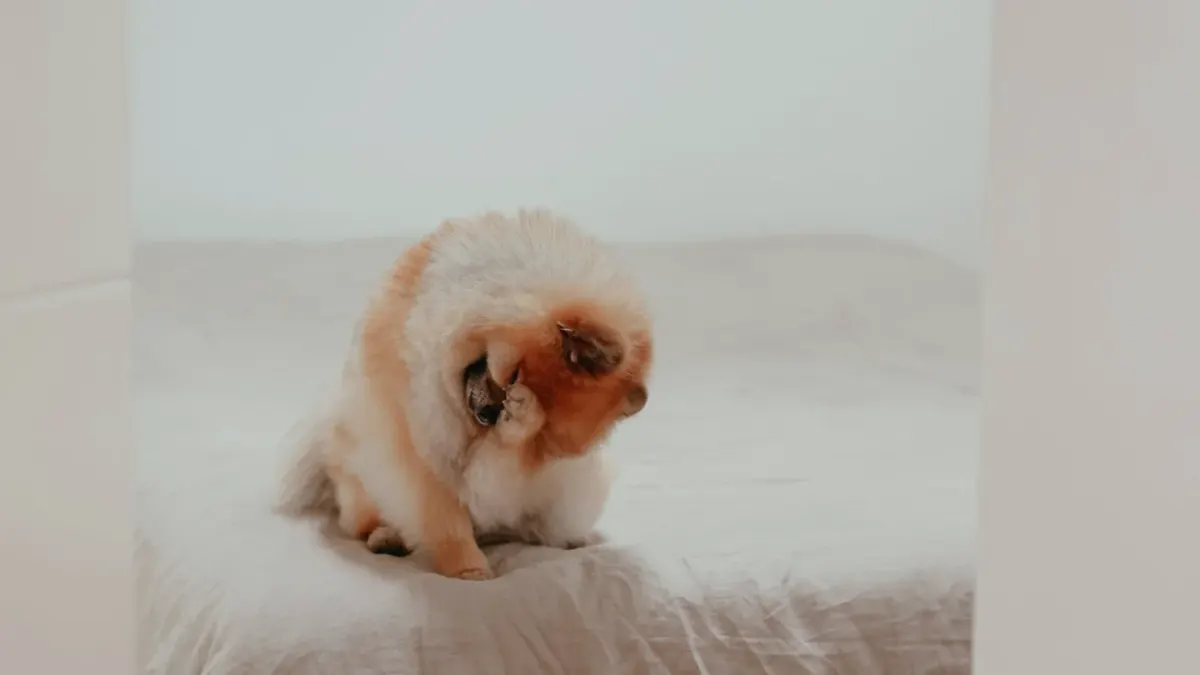
A stress shake-off is a normal displacement behavior that often marks a transition. Dogs shake after greetings, handling, play that gets intense, a startle, or restraint, and it tends to happen right as pressure lifts rather than at peak fear.
Let the shake finish.
I prioritize letting that brief reset complete, then reading what comes next, because interrupting it usually adds pressure without giving you useful information. The strongest counterargument I hear is that you should soothe or stop the shake to keep a dog “calm,” but holding, cooing over, or leash-popping through it can prolong arousal. I still land on pause-and-observe, because the post-shake seconds — loose body or stiff body, sniffing or scanning, taking food or refusing it — tell you whether he recovered or is stacking stress.
How a stress shake-off works in the body
Think of arousal as a wave with an upswing and a downswing. During a stressor, sympathetic activation raises heart rate, muscle tension, and vigilance. When the trigger pauses, many dogs discharge that muscular tension with a shake, yawn, lip-lick, or sniff, then parasympathetic tone helps support a return toward resting baseline.
That sequence is why the shake looks so much like a wet-dog shake. The motor pattern already exists for drying fur, and dogs appear to recruit the same full-body pattern to mark a shift in state. It does not mean the stress is gone, and it does not diagnose anxiety by itself. It means arousal peaked and the nervous system is attempting to reorganize, which is why context matters more than any single shake.
This kind of body-language signal clusters with other calming signals. If you want a useful comparison, read more on why dogs yawn and lick their lips around strangers and notice how often those signs appear in the same sequence as a shake.
What the shake tells you — and what it does not
In the middle of a busy Saturday, an owner told me she had tried to fix the lobby shake by holding her 5-year-old, 48-pound cattle-dog mix still and stroking his head while repeating “it’s okay” through three visits. By day 10 she was frustrated because the shaking had not stopped, and by three weeks in the dog had added yawning, turning away from treats, and planting at the doorway. The failed approach was understandable: she wanted to prevent the visible sign. The tradeoff was that restraint removed his reset, added handling pressure, and left us with fewer clues about whether each visit was actually getting easier. Once we stopped interrupting and started logging recovery after the shake, the pattern became clearer and the visits became shorter and more predictable.
A single shake-off after a clear trigger, followed by soft eyes, loose movement, and normal eating and play, usually supports a simple interpretation: brief stress with recovery. Repeated shake-offs with pacing, panting out of context, drooling, avoidance, vocalizing, or inability to settle may help support concern for broader fear, anxiety, or over-arousal that needs a plan rather than a momentary fix.
Evidence on calming ingredients is relevant here because owners often ask whether a chew can stop the shake. My read is cautious and plain-spoken. A review in Biomedicines notes that “For the remaining species, evidence is derived mainly from preclinical studies or traditional use.” A systematic review in Cureus states that “A systematic review analyzed multiple RCTs and concluded that ashwagandha has a moderate positive impact on stress reduction and cognitive performance.” An evidence review in Molecular Psychiatry reports “except for one study on psychotic anxiety (SMD = 0.54; 400 mg/day for 8 weeks)” when discussing L-theanine. That human and preclinical picture is interesting, but it is thin for predicting whether any single dog will shake less, which is why I treat supplements as possible support for a routine, not proof of calm.
For that wider routine, it helps to separate quick handling skills from longer preparation. I often point owners to how to prepare your dog for a vet visit to reduce fear and dog calming chews and what the ingredients actually do so expectations stay grounded in day-to-day practice.
When I support calm routines and where I stay cautious
I support management first: distance from triggers, predictable cues, short sessions, sniff breaks, and a quiet resting place after arousal. Those steps may help maintain lower baseline arousal without promising to erase stress. I am honest where the preventive evidence is thin, especially for oral calming products used alone on the day of a trigger.
Call your veterinarian sooner if shake-offs come with trembling that does not look like a voluntary shake, skin changes or itching that suggest a medical cause, sudden behavior change, aggression, panic, or shutdown, or signs that persist for days rather than minutes. An 11-year-old, 34-pound beagle mix I followed is a good edge case: his owner counted more frequent evening shakes at age 11, assumed stress, then noticed by week two that the “shake” was actually shivering paired with stiffness on stairs and restlessness overnight. That pattern changed the plan from behavior support to a medical workup for pain and age-related change, which is the reminder I keep in mind whenever a new shake pattern appears in a senior dog.
What to do in the moment and what to track
Pause when the shake starts. Keep the leash loose, give two to three seconds of space, then watch the next 30 seconds. Offer a sniff, a turn away from the trigger, or a known easy cue. Note whether he eats, explores, or stays braced.
Track trigger, time of day, what happened just before, and recovery time. A dog who shakes once after a nail trim and then naps is different from a dog who shakes five times on a walk and cannot disengage. Bring that log to your vet or trainer; observable patterns guide prevention better than memory.
You do not need to fix the shake to help the dog underneath it.
Frequently asked questions
Is a stress shake-off the same as shivering or a seizure?
No. A shake-off is a brief, voluntary full-body shake with a clear start and stop, often after a trigger. Shivering, trembling, or seizure activity looks rhythmic, prolonged, or uncontrolled and may include stiffness, drooling, or disorientation — those signs warrant a prompt vet call.
Should I pet my dog when he shakes off from stress?
Give him a second to finish first. Then keep contact light and optional rather than holding him still. If he leans in, sniffs, or takes food, he is likely recovering; if he moves away, freezes, or stiffens, give more space.
Does shaking mean my dog has anxiety?
Not by itself. It means arousal spiked and is shifting. Look at frequency, context, and recovery. Repeated shakes with avoidance, panting, pacing, or inability to settle deserve a broader fear-reduction plan with your vet.