Why Does My Dog Hide Under The Bed During Storms
Learn why storms send dogs under the bed and how to build a safer den, lower fear, and know when to call your vet.
Why storms send dogs under the bed comes down to noise, pressure shifts, and learned safety.
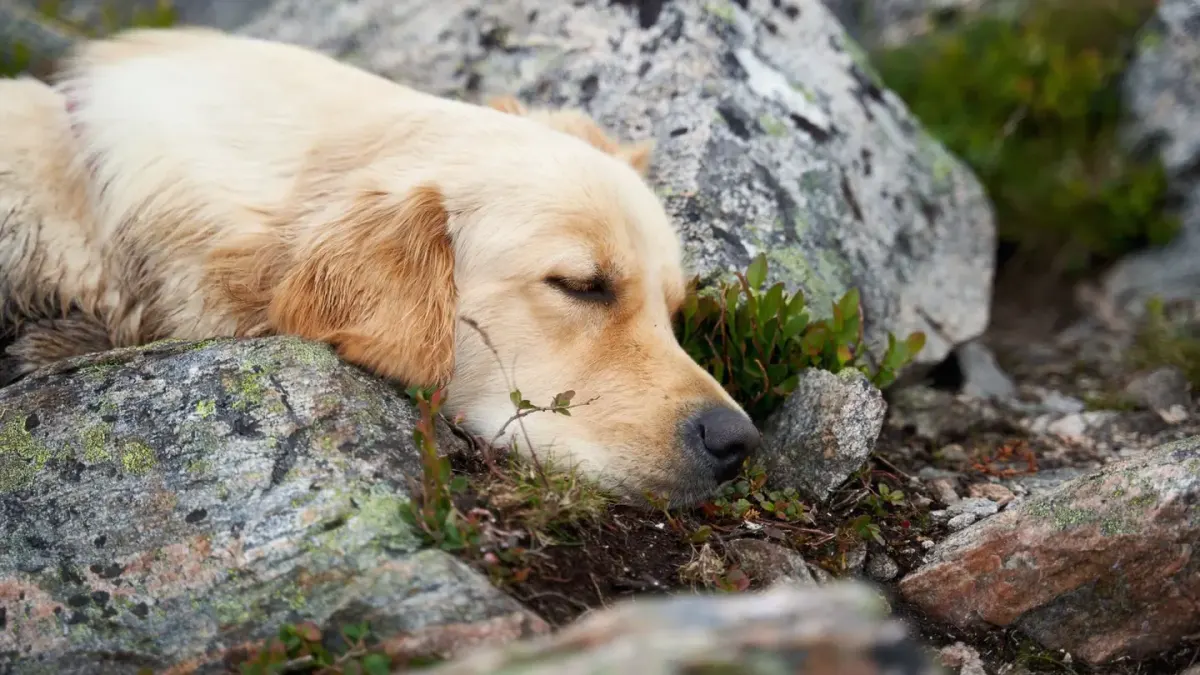
The sky bruised over around 4 p.m. and the barometer dropped ahead of a fast summer front. I watched a seven-year-old, 62-pound retriever mix pace from window to hallway, pant with her mouth pulled back, then wedge herself flat under the guest bed where the dust ruff brushed her back. Her owner had tried calling her out with cheese. She would not budge until the rain eased about 90 minutes later, when her panting finally slowed and she drank water again. That decision point — coax her out or let her stay — is where most storm plans succeed or fail.
My verdict after years at the exam table: let her stay, and make that spot safer. Pair a conventional workup with the integrative option that fits your dog.
That tight space is doing a job
Under the bed is dark, muffled, and pressed on three sides. For a noise-sensitive dog that pressure and muffling may help support a calmer body during barometric drops, distant thunder, static charge, and house rattles. Hiding is avoidance, not disobedience. Punishing it or dragging a dog out tends to raise fear.
Do this instead. Leave access open. Clear cords and stored boxes. Lay a non-slip mat and a shirt you wore yesterday. Close curtains and run a fan or white noise. Stay nearby and breathe slow. Offer a chew or lick mat only if she will take it — refusal means stress is still too high.
That choice matters more than any chew.
Build a den she will choose before the sky breaks
Think pressure, sound, and routine. Pick the spot she already picks, often under a bed or in a closet. Pad it. Cover three sides with a blanket to dull light and vibration. Practice on quiet days. Feed dinner near it for a week. Play recorded thunder at very low volume while you toss treats, then stop. Keep sessions under five minutes.
I worked with a four-year-old, 28-pound hound mix whose owners had spent three weeks in June pulling him from under the bed and crating him in the laundry room to “break the habit.” By day 10 his drooling started at the first wind gust, and by week three he scratched the crate door until two nails bled. We stopped the forced confinement, reopened the bedroom, and paired a conventional workup with crate-free den training and short counter-conditioning sets. His recovery after storms shortened from two hours to about 40 minutes, but the setback taught the point: blocking a safe hideout rarely lowers fear.
What I check before I call it just storm fear
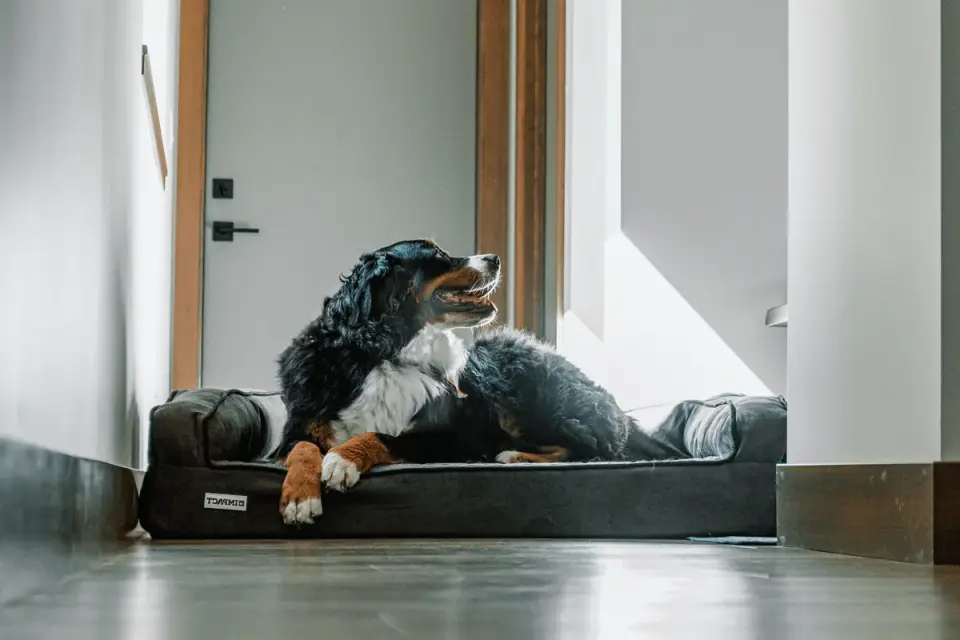
Storm hiding overlaps with pain, hearing change, and separation worry. Book a conventional workup if hiding is new, worsening, or paired with shaking for hours, drooling, house-soiling, escape attempts, or next-day lethargy. I listen to heart and joints, check ears and skin for static discomfort, and review thyroid, pain, and prior noise events. At the same table I map whole-patient load — sleep, exercise, gut comfort, and daily predictability — and I add veterinary acupuncture or calming touch for selected tense dogs who tolerate handling.
The strongest pushback I respect is fair: why add anything integrative if behavior work and, when needed, prescription support do the heavy lifting? Because daily structure and touch tolerance shape how a dog recovers between storms. I still land on workup first, training always, and supplements only as may-help-support tools.
Evidence here is thin or mixed, and I say that plainly. A review in MDPI noted “For the remaining species, evidence is derived mainly from preclinical studies or traditional use.” In people, Cureus published work where “A systematic review analyzed multiple RCTs and concluded that ashwagandha has a moderate positive impact on stress reduction and cognitive performance.” For L-theanine, a review in Nature Portfolio flagged “except for one study on psychotic anxiety (SMD = 0.54; 400 mg/day for 8 weeks)” — a human finding I do not translate into a dog dose. These threads may help support relaxation as part of a plan, not replace one.
Read more on ingredient limits in Dog Calming Chews: What the Ingredients Actually Do, and Where I Draw the Line and on low-stress handling in How to Prepare Your Dog for a Vet Visit to Reduce Fear. If lip-licking and yawning show up with strangers too, compare notes in Why Does My Dog Yawn and Lick His Lips Around Strangers?.
An edge case changed how I give this advice. An 11-year-old, 54-pound shepherd type hid under the bed for the first time in late August, and the owner assumed new storm phobia. On exam her hips were sore, the bedroom floor was slick, and under-bed height had dropped after a new box spring — she wedged in during thunder because she could not settle standing, then could not back out cleanly for 25 minutes until we lifted the frame. We added rugs, raised access, treated joint pain, and gave her a ground-level closet den. When will her next storm hide tell us more than the last one?
Frequently asked questions
Should I pull my dog out from under the bed during a storm?
No. Let her stay if she is safe. Clear hazards, pad the spot, stay calm nearby, and work on den training between storms.
When is hiding more than normal storm worry?
Call your vet if hiding is new or escalating, lasts hours past the storm, or comes with escape attempts, injury, vomiting, house-soiling, or next-day lethargy.
Do calming chews stop storm hiding?
No chew stops fear by itself. Use training, a predictable den, and a vet workup first, and view calming ingredients only as may-help-support tools.
Sources
- Herbal evidence in remaining species review — MDPI
- Ashwagandha stress and cognition systematic review — Cureus
- L-theanine and anxiety review — Nature Portfolio