Why Older Dogs Have Less Patience With Puppies
A veterinarian explains why senior dogs snap, avoid, or shut down around puppies — pain, senses, sleep, and brain aging — and how to protect both dogs.
Older dogs lose patience with puppies because pain, fading senses, and tired brains shrink their margin for chaos.
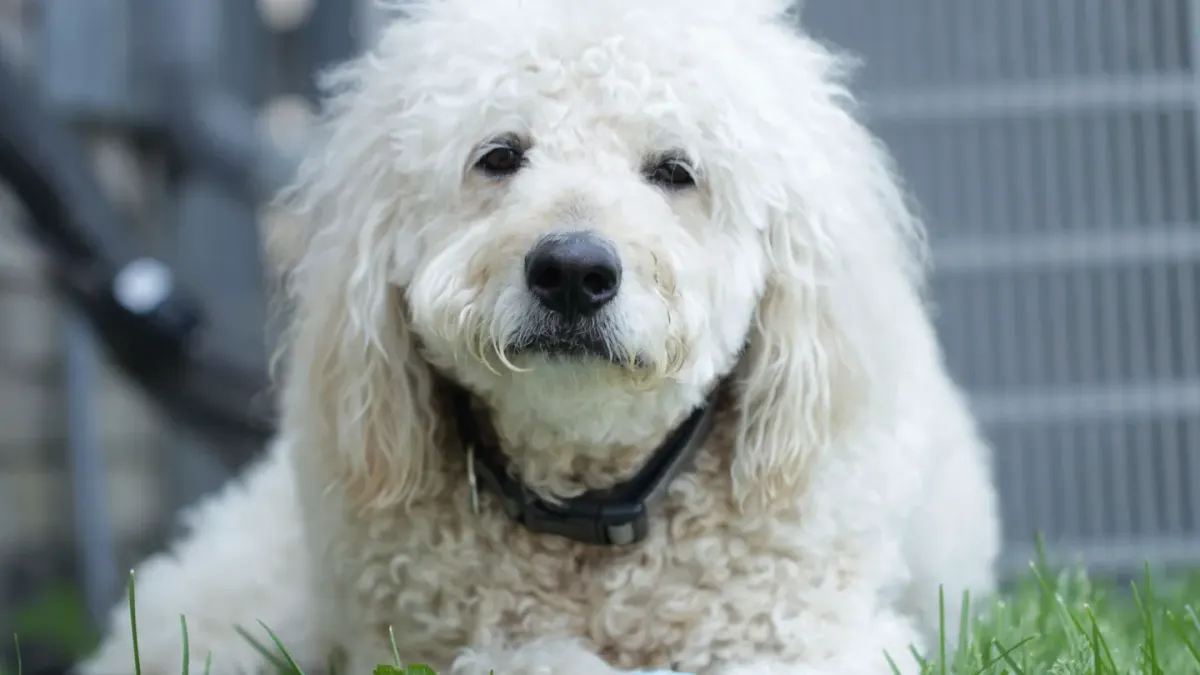
The living room was calm until the puppy arrived. An 11-year-old Labrador-type dog, 32 kg and stiff in the hips after naps, had been dozing by the couch. The 4-month-old newcomer bounced in, nipped her ear, then pounced again 20 seconds later. She lifted her lip, gave one hard stare, then got up and left the room. The owner worried she was turning aggressive, when she was really rationing the little comfort she had left.
For most seniors, less patience is not dominance or jealousy. It is a whole-system change: joints ache, senses blur, sleep breaks easily, and the aging brain recovers more slowly from excitement. Treat the aging or sensitive dog as a whole system, not a symptom, and the growl starts to make sense.
Quick checklist: read the moment before you correct it
- Pain first: stiff rising, lagging on walks, mouthing when touched, guarding the bed or stairs
- Sensory surprise: startles when approached from behind, snaps if woken suddenly, struggles in dim light
- Low battery: needs long naps, quits play early, moves away after brief hellos
- Brain change: gets stuck in corners, paces at night, forgets routines, more anxious or clingy
- Puppy overload: rude greetings, face-pouncing, resource crowding, no rest between bursts
- Owner test: if space, quiet, and rest restore politeness, it was capacity — not character

An older body feels every puppy bounce
Play that once felt fun now has a cost. Arthritis, dental pain, reduced muscle, and slower repair mean a body slam or ear pull lingers. Many seniors also hear and see less well, so a silent puppy ambush feels threatening rather than playful.
That is why management helps maintain comfort more than scolding does. Give the senior a raised bed or gated room the puppy cannot enter, keep greetings short and on leash, feed and chew in separate spots, and stop play before the older dog has to enforce the ending. Owners tracking early signs of aging in dogs often notice the same pattern first on walks: shorter range, more sniffing, less tolerance for jostling.
I once watched a household try the opposite for three nights. A 9-year-old cattle-dog mix who usually slept through the night was left loose with a new puppy, and the owners counted four wake-ups per night — pacing, lip-licking, then a growl by the water bowl. By day three she refused the living room entirely and urinated by the back door rather than walk past the crate. No training cue fixed it because exhaustion was driving it. Once they added a bedroom gate, separate evening chews, and a white-noise fan, she chose to nap within sight of the puppy again within a week.
A tired brain says no faster
Cognitive aging narrows flexibility. Older dogs learn new routines more slowly, habituate less well to noise and motion, and need longer to settle after arousal. Broken sleep makes it worse, and anxiety makes a snap more likely.
This does not mean every grumpy senior has dementia. It means persistent confusion, night restlessness, house-soiling, staring, or major personality change deserves a veterinary workup. A plain overview from American Veterinary Medical Association describes how disorientation, altered sleep-wake cycles, and social withdrawal cluster in cognitive dysfunction, while the American Animal Hospital Association notes similar behavioral shifts and the need to rule out medical causes first.
Keep expectations kind and concrete. Teach the puppy a recall and a settle on a mat, reward the senior for moving away rather than forcing sharing, and let most social time be parallel — chewing ten feet apart, sniffing the same trail in turn — rather than wrestling.
The usual routine has to bend when the senior dog is both sore and sleepless. In one home, a 13-year-old terrier-type dog could only manage a 200-meter morning loop before her hind legs trembled, yet the adolescent Lab needed miles. The owner felt guilty splitting them, so she dragged both out together until the older dog started snapping on the sidewalk. The fix was unglamorous: separate walks, a wagon or stroller rest for the short loop, and evening yard time where the puppy played fetch while the senior sniffed the fence line. The daytime growls faded because her walking distance was finally respected. For cold mornings that add stiffness, the same split-walk logic discussed in does cold weather make a senior dog seem more stiff and slow than usual often applies.
What actually helps both dogs
Think in terms of capacity, not obedience. Protect sleep, reduce surprise contact, and give the puppy other outlets for mouthing and chase.
Short daily habits may help support steadier behavior: predictable meals and bedtime, non-slip rugs to reduce joint strain, gentle body condition control, puzzle feeding for the puppy, and brief training sessions that end while both dogs still succeed. If you notice hind-end weakness, repeated falling, or sudden behavior change, use the context in why a dog’s back legs give out — and what actually helps and call your veterinarian rather than waiting it out.
Seek prompt care for a bite that breaks skin, escalating guarding, sudden blindness or deafness, collapse, ongoing limping, or nighttime distress that does not resolve with rest. Bring notes on appetite, mobility, sleep, and exactly what the puppy was doing before each incident.
Seniors are not teaching puppies a lesson by being endlessly tolerant. They stay generous longest when we keep their whole system comfortable.
Frequently asked questions
Is it normal for my older dog to growl at a new puppy?
A brief lip lift, freeze, or walk-away is often normal communication that the puppy is too much. Intervene calmly, add space and rest, and call your vet if growling escalates, happens around food or resting places, or comes with pain, limping, or personality change.
Should I let the older dog correct the puppy?
Brief, inhibited signals can teach manners, but do not use the senior as a trainer. Keep interactions short, supervised, and escapable, and redirect the puppy before the older dog feels forced to escalate.
When does low patience signal a vet visit?
Schedule a check for new irritability plus stiffness, slipping, house-soiling, night pacing, clinginess, appetite change, or sensitivity to touch. Sudden worsening, falls, or a bite needs prompt evaluation.
Sources
- Senior Pets — American Veterinary Medical Association