Can Dogs Have Frozen Pineapple as a Treat?
Plain frozen pineapple is safe for most dogs in small cubes, but its sugar counts toward daily treats.
Yes, dogs can have plain frozen pineapple in small cubes, if you count its sugar toward daily treats.
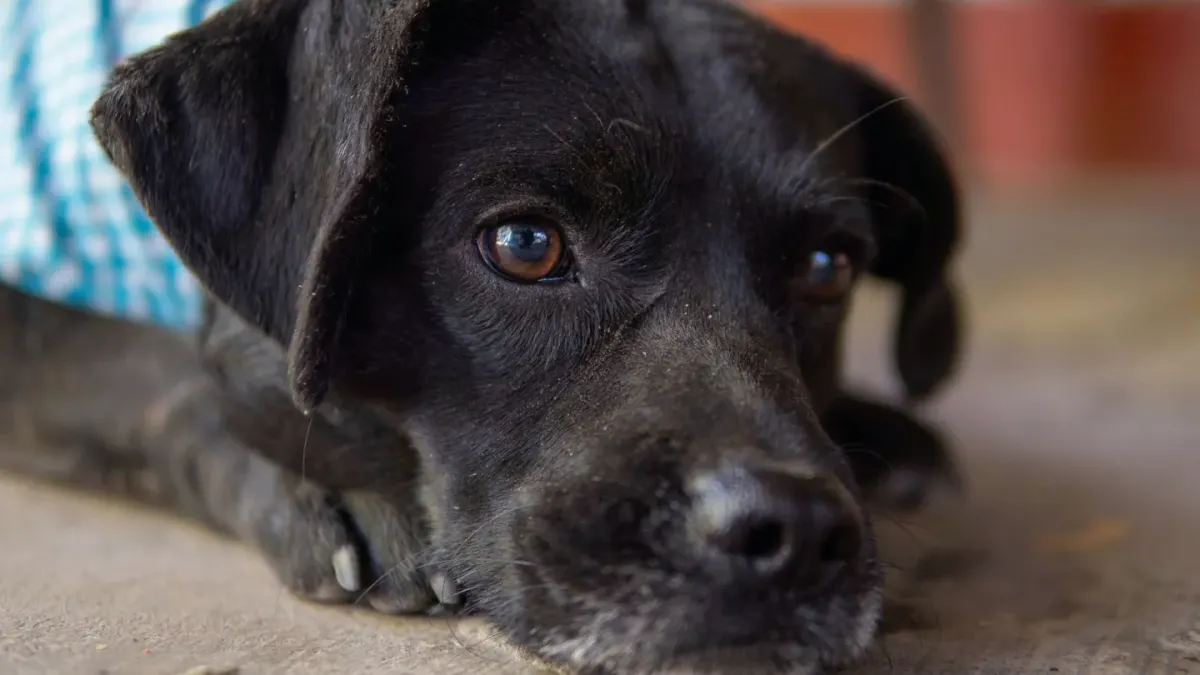
Yes, most dogs can have plain frozen pineapple, kept to a few small cubes that replace — not add to — the day’s treats.
From a food-therapy perspective I like frozen fruit on hot days because chewing something cold may help support comfort and slow down gulping, which helps maintain a calmer routine around snacks. Pineapple itself brings mostly water, vitamin C, manganese, and fiber alongside natural sugars, a profile you can check in the U.S. Department of Agriculture nutrient database for raw pineapple. That sugar is the whole decision point: it is why frozen pineapple works best as a swap for another sweet snack, like bananas or blueberries, rather than an extra.
A patient of mine, Foxxy, a 7-year-old spayed female Basenji, shows how this plays out. Her owner Dustin in Cambridge wanted a summer chew that would keep her busy without upsetting her stomach. We settled on two thumbnail-sized frozen cubes after her evening walk, counted inside her roughly 10% treat allowance, with her kibble dinner unchanged.
Why frozen changes the treat more than you’d think
Freezing does not make pineapple toxic or non-toxic — plain ripe flesh is the same fruit either way. What changes is texture and pace. A frozen cube takes longer to lick and gnaw, so many dogs feel satisfied with less fruit than they would eat fresh.
Cold also dulls sweetness a little, which can tempt owners to offer seconds. Resist that. Thawed weight is the same as frozen weight for sugar purposes, and a sensitive stomach still notices a large portion. If your dog tends to gulp ice or hard chews, offer a slightly thawed, slippery cube in the bowl rather than tossing it for a catch, and watch for tooth sensitivity in older dogs.
How much fits without tipping the sugar balance
Think in cubes, not cups. For a small dog, one 1/2-inch cube is plenty to test tolerance. For a medium to large dog, two to three such cubes on a hot day is a reasonable ceiling when treats are otherwise light.
That trade matters because extra sugars across the day may support weight gain and loose stool, a pattern internists describe in diet-related digestive upset summarized by the Merck Veterinary Manual. If pineapple is the afternoon treat, skip the biscuit, dried fruit, or spoonful of other sweet produce that evening. Dogs with diabetes, chronic pancreatitis, frequent vomiting or diarrhea, or a history of calcium-oxalate stones should skip pineapple treats and ask their own veterinarian for a lower-sugar alternative first.
Like apples and bread scraps, fruit treats sit inside the whole-patient picture: total calories, activity, dental health, and what else was fed that day matter more than any single bite.
Safe prep and when to skip it entirely
Use only plain ripe pineapple you freeze yourself. Peel fully, remove the tough core, and cut soft yellow flesh into small cubes before freezing on a tray. Canned pineapple in syrup, sweetened dried pineapple, juice, core chunks, rind, and leaves do not belong in the bowl.
Skip frozen pineapple when the fruit is unripe and very tart, when it has added sugar or xylitol, when your dog needs strictly portioned calories, or when your dog has coughed or gagged on frozen treats before. Introduce one small piece, wait 24 hours for stool, gas, or itch changes, then decide whether it earns a regular spot as a swapped-in summer snack.
Frequently asked questions
Can dogs have frozen pineapple every day?
A small cube most days is fine for many healthy dogs if it replaces another treat, but daily sugary extras add up — use it a few times per week in summer rather than as a staple.
Is the core safe to freeze for chewing?
No. The core is fibrous and hard when frozen and can irritate the mouth or pose a choking risk; freeze only soft flesh and discard core, rind, and leaves.