Outdoor Dog Tents Give Shade But Need Supervision
An integrative vet explains how outdoor dog tents help with shade and shelter, what ventilation and staking to check, and why heat still needs supervision.
Use an outdoor dog tent for shade on calm camp days, but stay close and watch heat signs.
On this page
A dog tent for outdoor use may help support comfort by creating a familiar shaded resting place, yet shade alone does not prevent overheating on warm camping days.
I think of shelter the way I think of plants that offer cooling shade in a garden. The canopy changes the local conditions around the patient without changing the larger climate. A tent that blocks sun and allows airflow can lower radiant heat load, while a closed and still tent can hold warmth close to the body. That whole-patient picture matters most for puppies, seniors, brachycephalic breeds and dogs with joint stiffness who may move less often to seek cooler ground.
Jeremy learned this with Hanzo, his 3-year-old Saint Bernard mix in Lexington-Fayette, Kentucky. Hanzo settled well in a pop-up tent at the campsite and even napped through lunch, but he began panting heavily once the afternoon sun shifted and the tent walls blocked the breeze. Moving the tent into open shade, opening two doors for cross-ventilation and offering cool water helped him settle again.
What an outdoor dog tent can and cannot do
A well-placed tent offers sun protection, wind buffering, insect relief and a defined resting place. Dogs that startle at new sounds, like my dog begins whimpering when our car reaches the vet parking area, often rest better with such a den-like boundary.
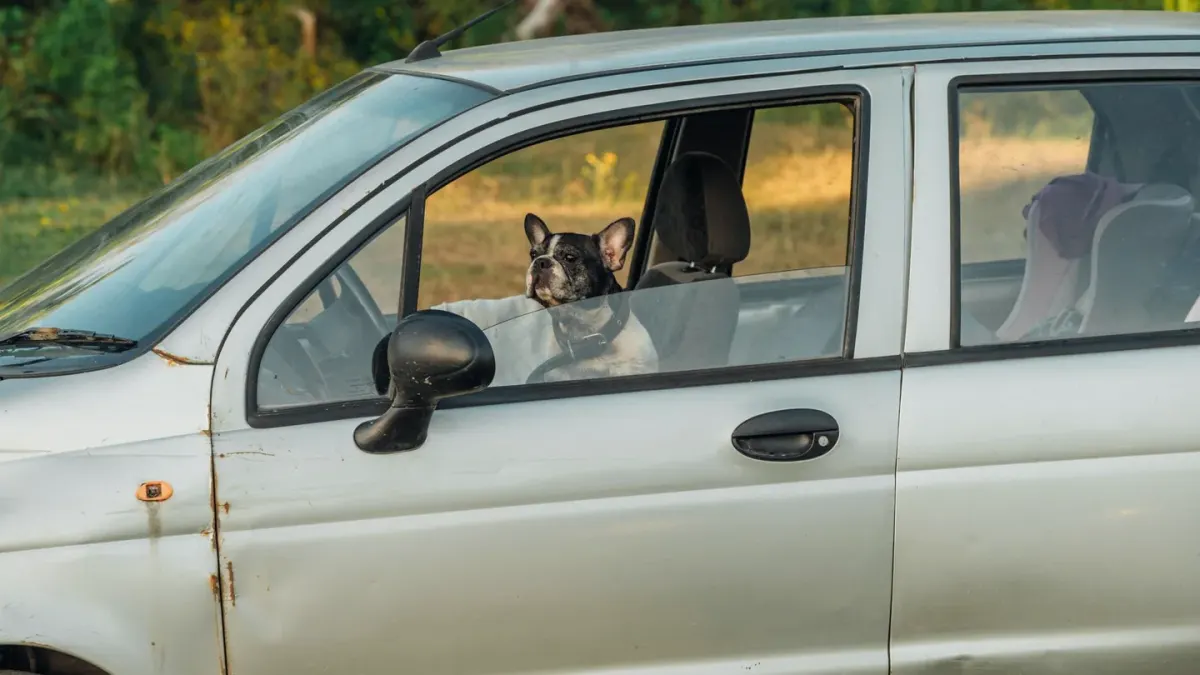
What it cannot do is cool the air. The American Veterinary Medical Association warns that shade, water and supervision remain essential in warm weather and that cars, small enclosed spaces and hot pavement can turn dangerous quickly. Tents follow the same principle. Treat the tent as one layer of care alongside water, rest breaks and an attentive person.
Choose airflow, size and stability first
Look outward from the fabric to the conditions it creates. Choose light-colored fabric with a high sun-protection rating, large mesh windows on at least two sides and doors that can stay open with a leash pass-through. The dog should be able to stand, turn, lie on the side and stretch sore hips without touching the walls.
Stability matters as much as shade. Stake the tent, use guy lines on uneven ground and place the floor on grass or a cot rather than hot gravel. For cool nights, pair the tent with insulation and bedding guidance from How to Keep Your Dog Warm When Tent Camping and plan for changing beach wind and sun with Beach Trips With Your Dog: Safety and Etiquette.
Use supervision as the cooling system
Set the tent where you can see it, ideally in natural shade with the open side facing the breeze. Offer water before rest, then watch breathing, gum color, drooling and willingness to move.
In practice I advise owners to keep tent time short during midday heat, take a walk or potty break every one to two hours and bring the dog into deeper shade or an air-conditioned space at the first sign of restlessness. Never zip a dog into a tent and leave camp, and never use a tent as a substitute for supervision near water, wildlife or other dogs.
A simple camp setup that works
Practice at home first with treats and short naps so the tent smells familiar. Pack the tent plus a washable cot or pad, a spill-resistant water bowl, a leash and long line, waste bags and a light blanket for evening. On arrival, secure the tent, open vents, place water nearby and let the dog explore on leash before rest.
When chosen for ventilation and used with close watching, an outdoor dog tent becomes a useful camp base. It gives joints a soft place to unload and gives the nervous system a quieter boundary, while you remain the true thermostat.
Frequently asked questions
Will a dog tent keep my dog cool in summer heat?
No. It can reduce sun exposure and provide a familiar resting place, but it does not cool air. Keep the tent ventilated, offer water, limit midday use and supervise closely for panting or restlessness.
Where should I place a dog tent at a campsite?
Choose level natural shade with airflow, stake it securely, open at least two vents or doors, and keep it where you can see your dog. Avoid hot pavement, closed vehicles and unventilated tent walls.