Pedigree Choice Cuts in Gravy: Senior Topper Verdict
Is Pedigree Choice Cuts in Gravy good for senior dogs? How to use it as a topper without unbalancing the diet.
Pedigree Choice Cuts in Gravy fits best as a small topper for seniors, not as their full daily diet.
On this page
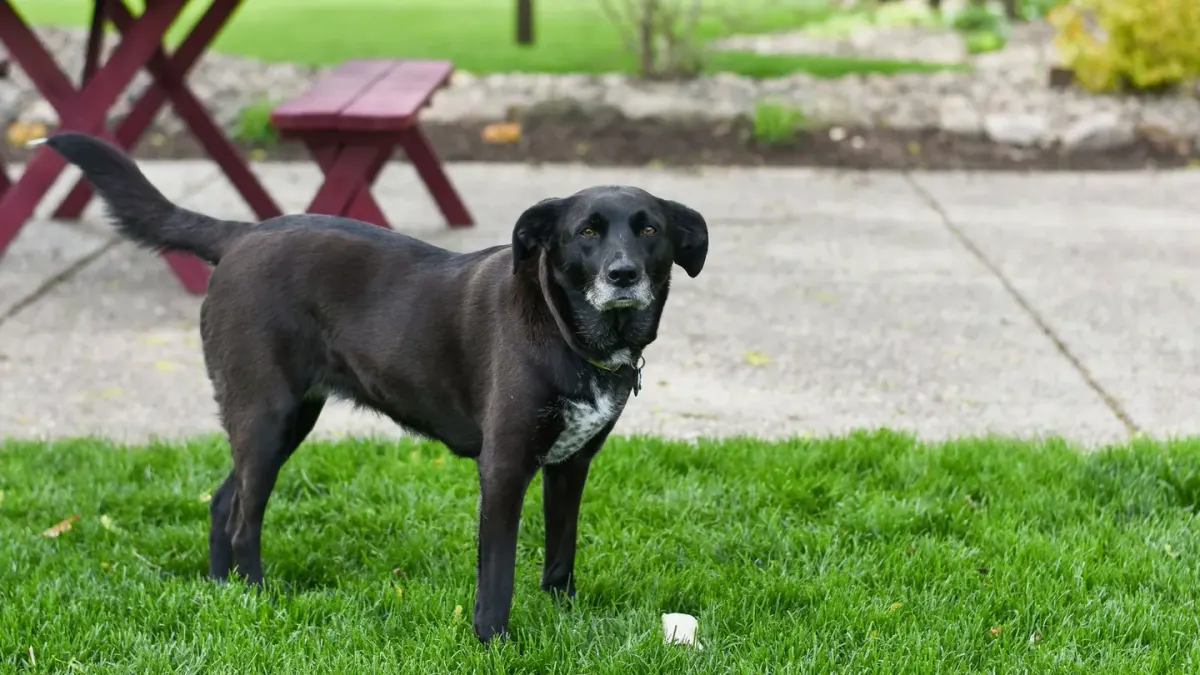
Carla watches Schnitzel, her 11-year-old neutered male Weimaraner in Scottsdale, Arizona, sniff his dry kibble and walk away, then perk up when a spoon of warm, gravy-coated chunks lands on top. For stiff, picky seniors like him, aroma and moisture can restart a meal.
The short answer is use it as a flavor bridge, not the foundation. Spoon 1 to 3 tablespoons over a complete senior or adult maintenance kibble, count those calories in the daily total, and judge the base diet by its adequacy statement and joint-supporting nutrients instead.

Read the back panel before you trust the gravy
Turn the pouch over and look for two lines. First is the nutritional adequacy statement that names the life stage. Second is the feeding directions with calories per pouch.
The Association of American Feed Control Officials explains what maintenance, growth, and all life stages mean on that statement. A senior dog needs a product formulated for maintenance or all life stages, fed to hold lean weight. Gravy improves intake but does not add glucosamine, chondroitin, green-lipped mussel, UC-II, or omega-3s at studied levels.
Do this in the aisle. Photograph the ingredient list, guaranteed analysis, calorie statement, and adequacy statement. Compare protein, fat, and fiber across the base kibble and the topper. Pick the base diet for nutrients and the topper for smell and texture.
Build the topper habit so joints get fed first
Start with the complete food. Weigh the daily kibble portion for Schnitzel’s target weight, not his current weight if he has drifted heavy or light. Add warm water to the kibble and let it sit for five minutes to soften the crunch for sore jaws.
Then add the topper. Use one heaping tablespoon for a small dog, two for a medium dog, and three for a large dog like a Weimaraner. Stir to coat the kibble so every bite carries scent. Reduce kibble by roughly the same calories to keep weight steady.
This order matters for mobility. From the plant outward, fiber-rich whole foods like pumpkin may help support normal stool form and gut comfort, which keeps an older dog moving comfortably to eat, drink, and eliminate. When stools stay soft during any change, many owners pause and review Adding Pumpkin to Your Dog’s Meals: How Much Actually Helps Digestion before they add more wet food.
The evidence for added fiber is nuanced and form-specific. Acacia work is in vitro only and does not prove a pouch of gravy will change the microbiome. Keep the claim narrow and the diet balanced first.
Know when this budget mix is the wrong call
Stop and reassess if appetite drops for more than two days, weight falls, water intake spikes, vomiting or diarrhea lasts beyond 48 hours, or a senior struggles to rise, climbs stairs less, or shortens walks.
Switching foods too fast can backfire in older guts. Hold the ratio steady for 7 to 10 days rather than chasing a new flavor each night, as explained in Why Changing Food Too Often Backfires. For a planned change, follow a slow transition like the one in How to Change Food for a Senior Dog Without Wrecking Digestion.
Vets often see owners pour on more gravy when a senior slows down. More topper hides the signal.
Instead, call the clinic when intake falls, weight shifts by 5% or more, or mobility shortens by half a block. Ask whether the base diet still fits kidney, dental, and weight needs, whether omega-3s or a joint supplement with a defined form and dose fits the plan, and whether pain, nausea, or constipation is driving the food refusal. The U.S. Food and Drug Administration outlines how to read pet food labels, report problems, and store wet food safely, including refrigerating opened portions and discarding uneaten wet food left out too long.

What I would buy again and what I would skip
Keep buying a base kibble with a clear maintenance statement, controlled calories, and a fat source that names fish oil or another omega-3 source when joint comfort is the goal. Keep the gravy pouches only as training treats for the bowl.
Skip using gravy pouches as the whole meal for weeks, mixing three toppers at once, or free-pouring without measuring. If Schnitzel eats only the wet chunks and leaves kibble, reduce the topper, warm the kibble with water, and feed two to three smaller meals through the day.
What would change this advice. A published nutrient profile showing complete maintenance nutrition at a senior-appropriate calorie density, plus a named joint ingredient at a studied dose and form, would move it from topper to candidate base diet.
What feeding pattern will keep weight steady while keeping an older nose interested in the bowl?
Frequently asked questions
Can senior dogs eat Pedigree Choice Cuts in Gravy every day?
Use a small measured amount daily as a topper over a complete maintenance diet, not as the whole meal, and count the calories to protect weight.
How much gravy topper should I add for a picky older dog?
Start with 1 tablespoon for small dogs and up to 3 for large dogs, warm the kibble with water, and reduce kibble slightly to hold body condition.