How to Camp With Your Dog: A Beginner's Guide
A vet's practical guide to camping with a dog for the first time, covering vaccinations, tick and lepto risk, heat and cold limits, and gear that actually earns its space in the pack.
Camping with a dog safely starts weeks before the trip, not at the trailhead.
On this page
The first time Maple, a five-year-old boxer mix, went camping with her owners, she came home with a limp and a $600 emergency vet bill. Nobody had checked her paws after a rocky creek crossing, and by the second night a torn nail had gotten infected in the dirt. I saw her three days later, and the fix was simple: soak, bandage, antibiotics, done. But the owners kept saying the same thing — they hadn’t thought a camping trip needed the same kind of prep as a plane ride. That’s the conversation I have with almost every client planning a first camping trip with their dog. The gear matters less than people think. The prep work matters more.
Here’s where I land: camping with a dog is genuinely one of the lower-risk trips you can take one, as long as you treat the week before departure as part of the trip. Most of what goes wrong in the woods traces back to something skippable at home — a vaccine that lapsed, a tick preventive that wasn’t reapplied, a water bowl left in the car.
Before you leave: the appointment that matters more than the packing list
Talk to your vet about vaccination status and parasite prevention before you book the site, not the week of. The American Veterinary Medical Association notes that dogs headed into wooded or rural areas should be current on core vaccines and on flea, tick, and heartworm prevention, and that owners should bring a copy of vaccination records along in case of an emergency at a rural clinic. This is the boring part of the guide and also the part I’d least skip.
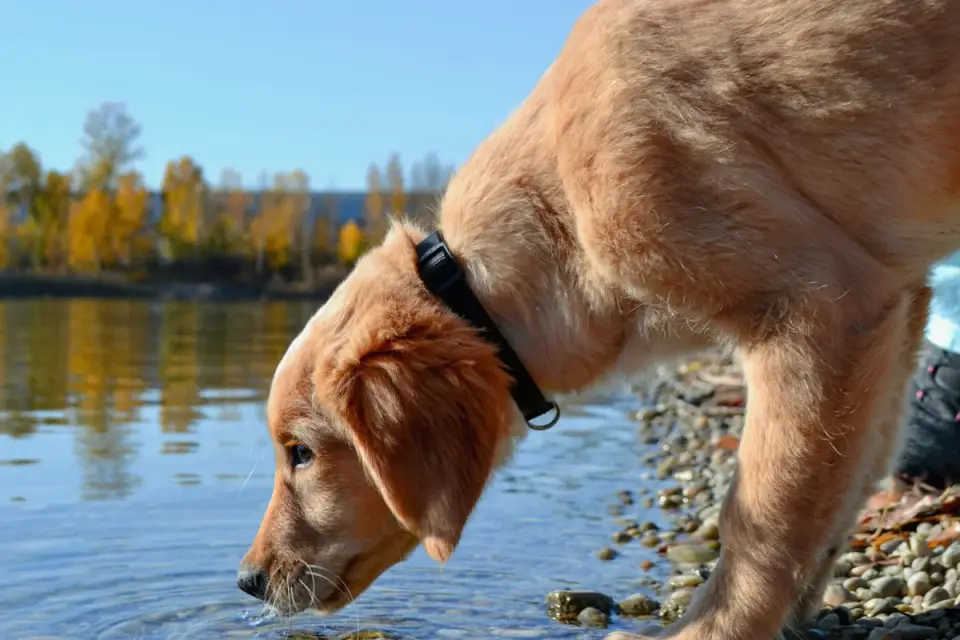
Leptospirosis deserves its own line here, because it’s the one that surprises owners most. Dogs pick it up from water contaminated with the urine of infected wildlife — the Leptospirosis in Animals: CDC specifically flags stagnant or slow-moving water like puddles, ponds, and lakes as common exposure points, which describes a huge share of campsites. Talk to your vet about whether the leptospirosis vaccine makes sense for your dog’s specific trip, and pack fresh water rather than letting your dog drink freely from what’s on the trail.
Ticks are the other pre-trip conversation. The Preventing Ticks on Pets: CDC recommends a veterinarian-approved tick preventive product for any dog spending time in tick habitat, plus a daily physical check once you’re out there — run your hands over the ears, collar line, and between the toes every evening. Lyme disease transmission generally takes at least 24 to 48 hours of attachment, so a same-day check genuinely reduces risk rather than just feeling responsible.
Temperature is the variable owners underestimate
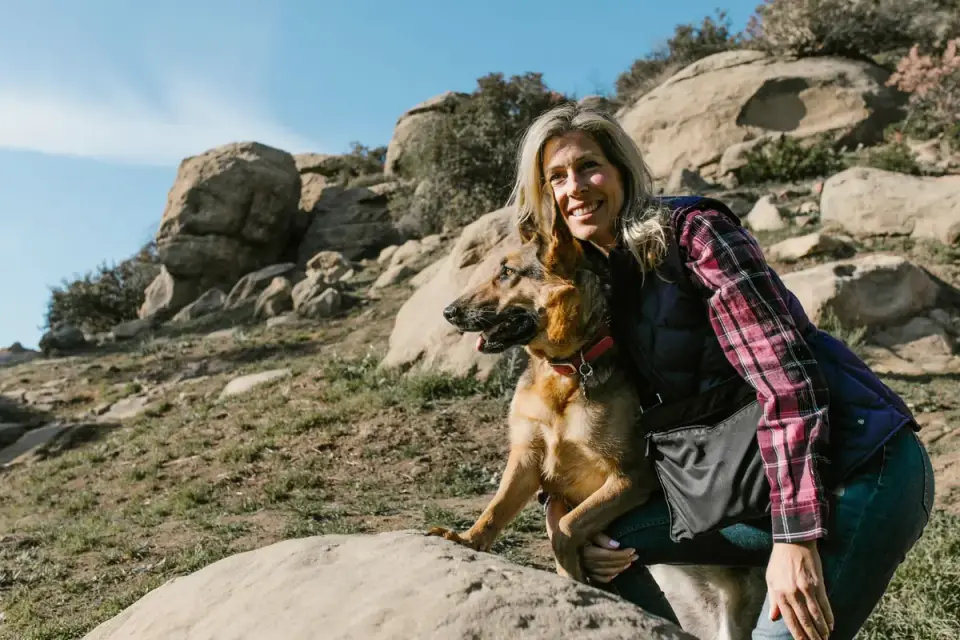
Dogs regulate heat far less efficiently than people do, and a campsite doesn’t come with air conditioning to retreat to. Plan hikes and hard play for the cooler parts of the day, and build in shade and water breaks well before your dog looks like she needs them — brachycephalic breeds, seniors, and dogs with existing heart or respiratory issues are at meaningfully higher risk and should get a shorter, gentler version of the trip. On the other end, cold, damp nights are harder on small dogs, thin-coated dogs, and older joints than owners expect; a rule of thumb I give clients is to think twice about overnight exposure once wind chill drops toward the 40°F range, and to bring a dog-specific sleeping pad rather than assuming a sleeping bag liner is enough insulation off cold ground.
In my practice, this is where I’ve watched trips go sideways more than almost any other single factor. I had a client with a ten-year-old golden retriever, sixty-eight pounds, arthritic in both hips, who wanted to bring him on a three-day trip to a site at elevation in early October. The days were warm, the nights dropped into the 30s, and nobody had packed anything for him to sleep on besides a folded towel. He came home stiffer than he’d been in a year, slow on stairs for almost two weeks afterward. The fix wasn’t complicated — an insulated pad and a shorter first day of hiking would have covered it — but it’s the kind of thing that only becomes obvious once you’ve seen it happen once.
Restraint, ID, and the trip goes sideways moment
Keep your dog leashed unless you’re in a clearly designated off-leash area, and make sure the collar or harness has current ID tags plus a working microchip registration — wildlife encounters, unfamiliar terrain, and a dog that’s never camped before are a combination that increases the odds of a bolt, even in a dog who’s normally reliable off leash at home. If you’re driving to the site, the restraint conversation extends to the car ride itself; a loose dog in a moving vehicle is its own risk, and our guide to dog car seat belt vs crate vs barrier walks through which option actually holds up in a crash versus which one just looks secure.
Packing for the dog, not just the trip
The gear list that actually earns its weight in the pack is short: collapsible water and food bowls, a well-fitting harness with a sturdy handle for scrambling over rocks or roots, paw protection for hot pavement or sharp terrain, a basic first-aid kit, and enough of your dog’s regular food that a GI upset from a diet change doesn’t turn into its own emergency mid-trip. If you’re evaluating collapsible bowls specifically, our piece on collapsible bowls and feeding gear for traveling dogs covers which materials hold up and which ones tip over on uneven ground. And if this is genuinely your dog’s first overnight trip away from home in any form, it’s worth reading how we approach it with puppies in how to travel with a puppy for the first time — a lot of the settling-in principles carry straight over to an adult dog’s first camping trip too.
One more scene that’s stuck with me: a client brought her seven-year-old border collie, Juno, on a weekend trip and packed only the food Juno normally ate at home — smart move, and it meant that when the dog got a little looser stool from drinking extra water on hot trail days, we could rule out diet change in about thirty seconds on the phone. Compare that to another owner the same month who’d switched brands right before the trip “to make packing easier,” and spent the second night of camping cleaning up diarrhea in a tent instead of sleeping. Small decision, disproportionate payoff.
Where I land
Camping with a dog is a good trip, not a risky one, provided the prep happens before you leave the driveway. Vaccinations and parasite prevention are non-negotiable and start with a vet visit, not a pharmacy aisle. Heat and cold limits deserve more respect than most owners give them, especially for seniors and short-nosed breeds. And the gear list is shorter than the internet makes it look — bowls, a good harness, ID, a first-aid kit, and food your dog already tolerates will cover the vast majority of what actually goes wrong out there.
Frequently asked questions
Do dogs need any special vaccines before camping?
Talk to your veterinarian about core vaccines plus lifestyle vaccines like leptospirosis if your trip involves wooded areas, standing water, or wildlife exposure; the CDC notes leptospirosis is commonly picked up from contaminated stagnant water sources.
How often should I check my dog for ticks while camping?
At least once daily, running hands over the ears, collar line, and between the toes, since the CDC notes Lyme transmission generally requires at least 24 to 48 hours of tick attachment.
Is it safe to let dogs drink from lakes or streams while camping?
It's better to pack fresh water and a bowl; the CDC identifies stagnant or slow-moving natural water as a common source of leptospirosis exposure for dogs.
Sources
- Outdoor enthusiasts and their companion animals — American Veterinary Medical Association
- Leptospirosis in Animals — CDC
- Preventing Ticks on Pets — CDC