How to Plan a Beach Camping Weekend With a Dog
Vet-guided plan for a beach camping weekend with a dog: site rules, heat and water safety, joint-friendly pacing, and packing.
Plan for shade, fresh water, and shorter sand walks, and the beach weekend stays fun for both of you.
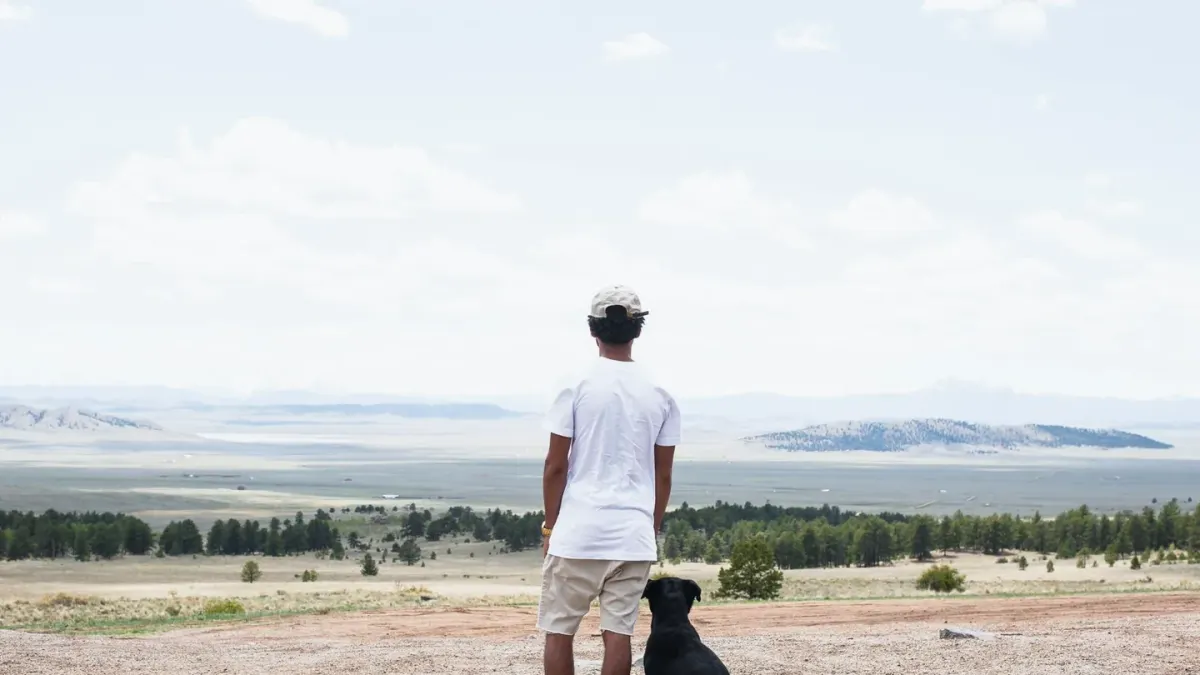
You learn a lot about a dog in the first hour on sand. Last June I counseled an owner heading out with a five-year-old 52-pound shepherd mix for a Friday-to-Sunday beach camp, her first real trip since adoption. The dog was fit but stiff after long play, panting hard by noon, digging at the water bowl and then ignoring it. The owner worried she was being overprotective for wanting to cut the afternoon walk short. She was not. That first-day baseline — how fast your dog recovers, drinks, and settles in shade — should set the whole weekend plan.
My verdict is simple: pick the campsite for the dog, not the view, then build the weekend around shade, fresh water, and shorter, softer mileage. Sand looks easy and works joints hard, heat builds with no cover, and salt water and dietary indiscretion cause most beach-camping misery. Expect to walk less than you would on trails, rest more midday, and leave camp cleaner than you found it.
Start with permission, not packing
Most beach camping fails before you leave the driveway because dogs are not allowed where owners assumed they were. Many oceanfront state parks ban dogs on the beach entirely, others allow them only on leash, only at certain hours, or only in numbered loops. The National Park Service notes that pet rules vary park to park and often restrict pets to developed areas, which is why you check the specific beach and campground pages and call the ranger station if leash length or beach hours are unclear.
Book for surface and shade. A site 50 yards from the water with no trees sounds romantic and cooks a tent and a dog by 11 a.m. I would rather have a pine-shaded loop with a 5-minute sand path than a dune-front pad with zero cover. Ask about leash rules at camp, dog limits per site, wildlife closures, and where you can rinse sand off without contaminating water. If you want a refresher on beach-specific hazards and manners, our beach safety and etiquette guide pairs well with this planning checklist.
The tradeoff story I hear most goes like this. An owner with a sturdy young adult retriever-type dog, about three years old, booked three nights on an exposed barrier island because the photos were perfect. By the second morning the dog had vomited four times after gulping salt water during fetch, refused breakfast, and spent the afternoon shivering under a picnic table despite the heat. They packed out a day early, cleaned the site in the dark, and told me the trip felt like a failure. It was not a failure of toughness. It was fetch in surf, no fresh-water breaks, and no shade retreat — a plan that asked too much of gut and heat regulation at once.
Heat, water, and feet decide the day
Open sand reflects sun and blocks breeze at dog level. The American Veterinary Medical Association warns that heatstroke risk rises quickly in warm weather, especially with heavy exercise or lack of shade and water, and that owners should watch for heavy panting, drooling, and incoordination. I tell clients to expect that warning to matter twice as much on a beach. Bring more fresh water than you think — a gallon per day for a medium dog for drinking plus rinsing is a reasonable starting baseline — and offer small drinks every 20 to 30 minutes during activity.
Salt water is the other limiter. A few mouthfuls during play commonly cause soft stool or vomiting; larger intakes can cause more serious salt imbalance. Do not let your dog drink from the ocean, bring a spill-proof bowl to the beach, and pause fetch if your dog starts gulping waves. The Centers for Disease Control and Prevention also reminds owners that outdoor water and close contact with other animals can spread gastrointestinal illness, so keep vaccines current, prevent drinking from stagnant pools behind dunes, and pick up stool promptly.

Feet and joints take more load than owners expect. Hot sand burns pads, burrs and shells cut them, and soft, sloped sand increases work for shoulders, hips, and toes. Keep midday walks to wet packed sand or boardwalks, check pads at lunch, and rinse salt and sand off paws and belly back at camp. For dogs with known stiffness, shorter loops twice a day may help support comfort better than one big Saturday hike.
That bend-the-plan scenario comes up with seniors. An owner recently asked about a nine-year companion, a small beagle-type with early hind-end stiffness, joining a family beach camp. The usual advice — long morning beach walk, rest, sunset romp — would have wrecked him. We changed it completely: a slow 0.4-mile packed-sand stroll before 9 a.m., then full camp-dog duty in a shaded exercise pen on a cot, with brief leash potty walks and chew time while the younger dogs swam. He ate better, slept through the noisy dusk hours, and walked out Sunday without the lag the owner feared. Less beach, more trip.
Pack, feed, and sleep like the weather will change
Tent camping adds a warmth problem at night, even after a hot beach day. Dogs lose heat to thin pads and damp air, and a wet dog in a breezy tent shivers fast. Our guide on keeping your dog warm when tent camping covers insulation and sleeping setups in detail. In practice: a closed-cell foam pad plus a blanket, a dry towel for post-beach rinses, and a familiar crate or bed so your dog settles instead of pacing the tent walls.
Keep feeding boring. Travel, heat, and new smells already loosen stools, so stick to the usual food, pre-portion meals, and skip rich camp scraps and fish remains on the beach. Bring a little extra in case a bag gets wet, store all food and trash in sealed containers in the car or bear box, and never leave food in the tent. If your dog takes joint-support chews or other supplements, keep the routine and timing the same; camp is not the time to start a new product.
Leave the beach and camp clean. The Leave No Trace Center for Outdoor Ethics calls for disposing of waste properly, respecting wildlife, and leaving what you find, which for dog owners means bagging stool even below the tide line, carrying it out, keeping dogs from chasing shorebirds, and staying out of closed dunes. A long line helps only where allowed — many beaches require a 6-foot leash — so check before you clip on a 30-footer.
A short packing baseline that works for most dogs: leash plus backup, flat collar with ID and a harness for sand pulls, 2-plus gallons of fresh water, bowl, usual food and treats, shade tarp and stake-out cable where permitted, foam pad and blankets, towels, paw balm, first-aid kit with tweezers and saline rinse, poop bags, headlamp, and vaccination records. Test the tent with your dog in the yard first. A dog who has never slept in nylon will not learn to love it at midnight in wind.
You do not need a perfect itinerary. You need a dog-first site, a heat plan, and permission to cut the walk short. Do that, and most beach weekends end the way that first one did for that shepherd mix — dusty, tired, and asleep in the tent by eight.
Frequently asked questions
How much water should I bring for a dog for a beach camping weekend?
Bring more than for home. A gallon per day for drinking plus rinsing is a reasonable baseline for a medium dog, plus extra for hot days and longer drives.
Can my dog drink ocean water if we run out of fresh water?
No. Even small amounts can cause vomiting or diarrhea, and larger amounts risk salt imbalance. Pack extra fresh water and cut beach play short if you run low.
How do I protect an older dog's joints on sand?
Keep walks short on firm packed sand, avoid steep soft slopes and repeated fetch, offer a padded cot for rest, and keep the usual feeding and supplement routine unchanged.
Sources
- Pets in National Parks — National Park Service
- Warm Weather Pet Safety — American Veterinary Medical Association
- About Healthy Pets — Centers for Disease Control and Prevention
- The 7 Principles — Leave No Trace Center for Outdoor Ethics