How to Prepare a Dog for a Long Car Journey
A preventive, joint-aware plan for long drives: restraint, rehearsal, feeding timing, breaks, and motion-sickness expectations.
To prepare your dog for a long car journey, prioritize restraint, routine, and rehearsal over gear.
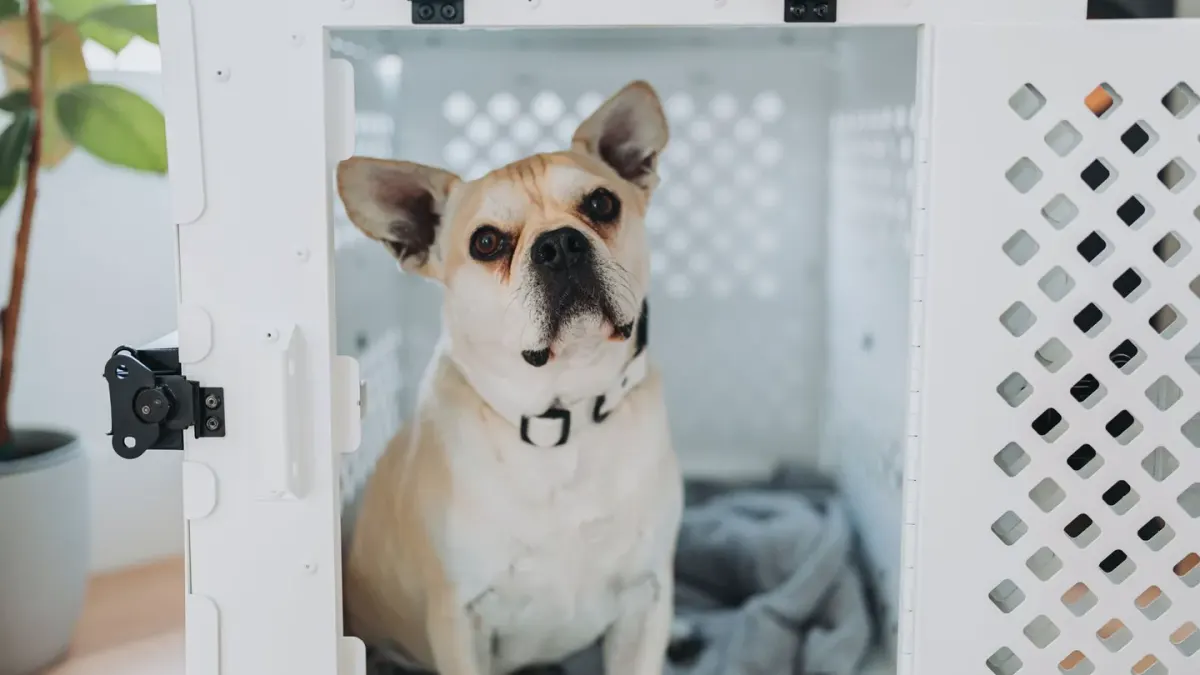
Last spring a couple came in to map out an eight-hour drive to family with their 5-year-old, 68-pound Labrador who panted, paced, and drooled for the first hour of every highway trip. They wanted to know what to buy. I told them buying was last on the list. The decision that would shape that whole day was not which calming chew to pack, but where that big, stiff-after-naps dog would ride, how he would be secured, and whether he had practiced it before the suitcases were loaded. By day 14 of short rehearsal drives he was lying down within ten minutes, and that change told us more than any product label could.
My position is simple: a long car journey goes well when restraint, routine, and rehearsal are settled first. Comfort items may help support calm behavior, but they do not replace a crash-informed restraint fitted to the dog and a gut that has been trained for the motion.
Set the riding setup before you pack anything else
For dogs with aging or achy joints, getting in and out and then holding posture for hours is the hard part. A crate secured in the cargo area or a crash-tested harness on the back seat both limit forward movement, and that limit protects joints as much as it protects people. Loose dogs brace, slide, and scramble at every turn.
The Center for Pet Safety has shown through independent sled testing how much excursion varies between restraints, which is why I grade hardware on tested performance rather than padding or price. Read the primer on Crash-Test Ratings for Dog Car Restraints, Explained and then compare options in Dog Car Seat Belt vs Crate vs Barrier: Which Restraint Is Safest?. Fit the harness snug over the sternum, anchor it short enough to allow a down-stay but not a launch into the footwell, and practice loading with a ramp or low bumper entry for large or senior dogs.
Expect some protest at first.

That pushback is information, not failure. Two weeks out, do five- to ten-minute parked sessions with the engine on, then around-the-block drives, then a 30-minute highway loop. Reward settling on a nonslip mat. Keep the car cool and ventilated, because heat and poor airflow raise restlessness fast. The AVMA travel guidance makes the same baseline point: secure restraint, ventilation, and never leaving a dog unattended in a vehicle are non-negotiable.
Feed, water, and breaks on a road schedule
The second tradeoff that sinks long trips is food timing. Three weeks in to one plan I reviewed, the owner of a 3-year-old, 42-pound border collie mix had tried the opposite of what I advise: a big breakfast an hour before departure plus free water sloshing in a bowl, hoping a full stomach would settle her. By mile 60 she had vomited twice, then refused water for the next three hours and arrived dehydrated and wired. We changed course to a light meal three to four hours before departure, small water offers at each stop, and a normal dinner after arrival. By day 10 of rehearsing that exact timing on shorter drives, she held food down and drank willingly at rest stops.
That pattern tracks what clinicians see with motion-related nausea. The vestibular system drives most car sickness, and a moderately empty stomach plus fresh air often supports comfort better than either fasting all day or feeding close to departure. The Merck Veterinary Manual notes motion sickness is common in young dogs and often improves with age and desensitization, which matches my experience — many adolescents outgrow the worst of it once short, calm trips build tolerance. If you want that background, read Why Does My Dog Get Car Sick? and Do Puppies Outgrow Car Sickness?.
Plan on stopping every two to three hours. Leash before you open the door, walk five to ten minutes, offer water, allow a sniff-and-eliminate break, and check paws, harness rub points, and gum color. Senior dogs need a slightly longer, slower walk to loosen up before reloading.
The edge case owners miss: stiff joints and long stillness
On a later consult, a retired owner was preparing a six-hour drive with her 11-year-old, 54-pound Golden Retriever with radiographic hip arthritis. Short rides were fine, but after ninety minutes in the car he would rise groaning, circle twice before lying down, and limp for the first twenty steps at rest stops. She had focused on calming music and bedding. The missing piece was joint stiffness from sustained stillness, not anxiety. We split the drive into two-hour legs with leashed walks, added a firm orthopedic pad cut to the crate, practiced low-angle ramp loading for a week, and scheduled his usual joint-support routine unchanged so nothing new was introduced on travel day.
For that dog, the counterargument was to drive straight through to spare him repeated loading. Fewer load cycles sound kinder. In practice, one long immobile stretch tends to worsen stiffness and restlessness more than brief, assisted reloads do. Talk with your own veterinarian well ahead of time about motion-sickness prescriptions, realistic expectations for sedatives versus anti-nausea drugs, and a trial dose at home — never test a new medication for the first time on highway day.
Pack a simple kit and keep expectations honest: health records and ID, leash and spare collar, measured food plus extra day, collapsible bowls, water from home if your dog is sensitive to change, waste bags, any medications, and a familiar-smelling blanket. Supplements marketed for travel calm may help support relaxed behavior in some dogs, but evidence is thin and mixed, timelines run weeks rather than hours, and no chew overrides rehearsal and restraint.
You cannot train away every whine by departure day, and that is okay. A dog that loads willingly, settles faster each practice run, and exits willing to drink and walk is ready enough.
Frequently asked questions
How far ahead should I prepare a dog for a long car ride?
Start two to three weeks out with fitted restraint, short practice drives, and your planned feeding and break routine so settling improves before travel day.
Should I feed my dog before a long drive?
Offer a light meal three to four hours before departure, small water offers at stops, and a normal meal after arrival; avoid both all-day fasting and a large meal right before loading.
How often should we stop on a long trip?
Every two to three hours for a leashed walk, water, and a bathroom break, with longer, slower walks for senior or arthritic dogs.
Sources
- Traveling with Pets – Dogs and Cats — AVMA
- Center for Pet Safety — Center for Pet Safety