Travelling With a Dog That Hates Water: What to Plan For
A vet's plan for road trips and rentals with a water-averse dog: hydration, bathing, footing, joint comfort, and low-stress routines.
Travelling with a water-averse dog rewards plumbing, footing, and routine planning more than any beach itinerary.
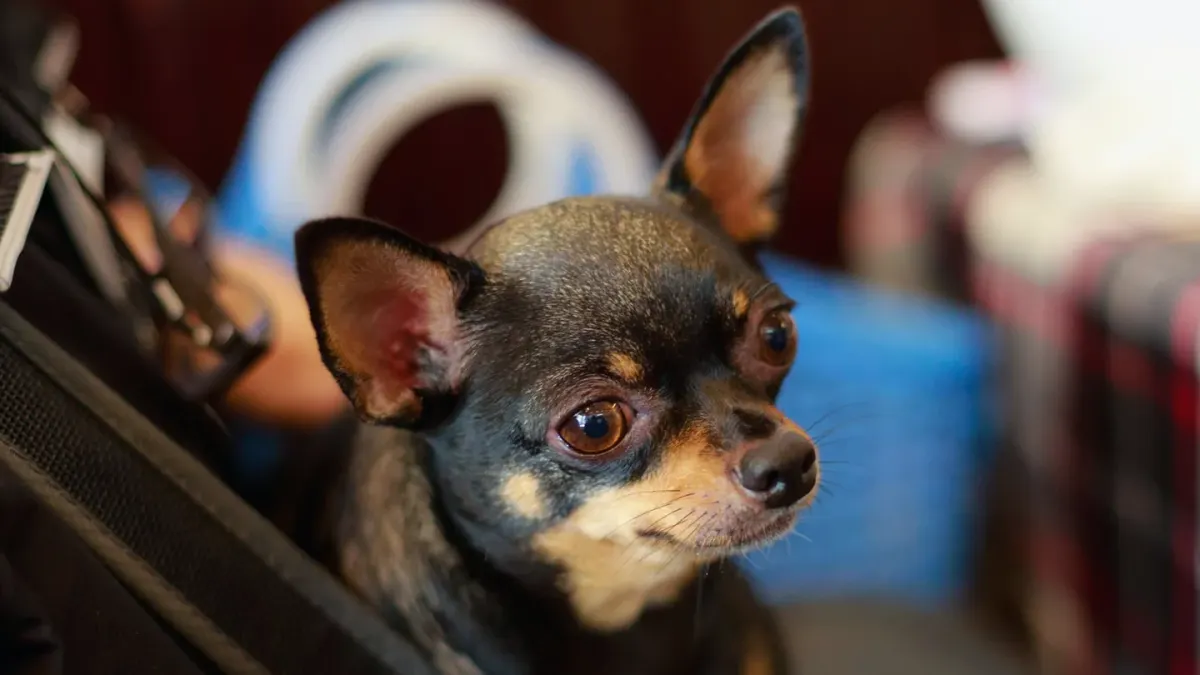
A four-year-old, 38-pound cattle dog mix arrived for a pre-trip check last spring before a week in a lakeside cabin with her family. She drank only from a single stainless bowl at home, froze at hose sounds, and had skipped two baths after panicking in the tub. Her owner worried less about the lake view than about five mornings of damp grass, a slippery rental shower, and a dog who held her bladder for 9 hours rather than pee in wet rain. We mapped the whole trip around dry feet, familiar water, and joint-friendly rest instead of swimming.
Expectation first: you cannot talk most adult dogs into liking water on vacation. You can keep hydration, hygiene, toileting, and joint comfort steady without forcing a swim, a bath, or a dock.
Your water-avoidant travel checklist
- Pack the home water setup: same bowl, same source type, plus bottled backup
- Plan dry toileting footing: grass verge, potty pads, extra towels, and shoes you can clean
- Skip forced baths: waterless shampoo, wipes, and a groomer contact near your stay
- Protect joints on detours: ramp, non-slip mats, orthopedic bed, and shorter loop walks
- Keep the routine anchored: same feeding times, same bed cue, same evening wind-down
- Have a rain and splash exit plan: covered relief spot, car towel station, crate cover
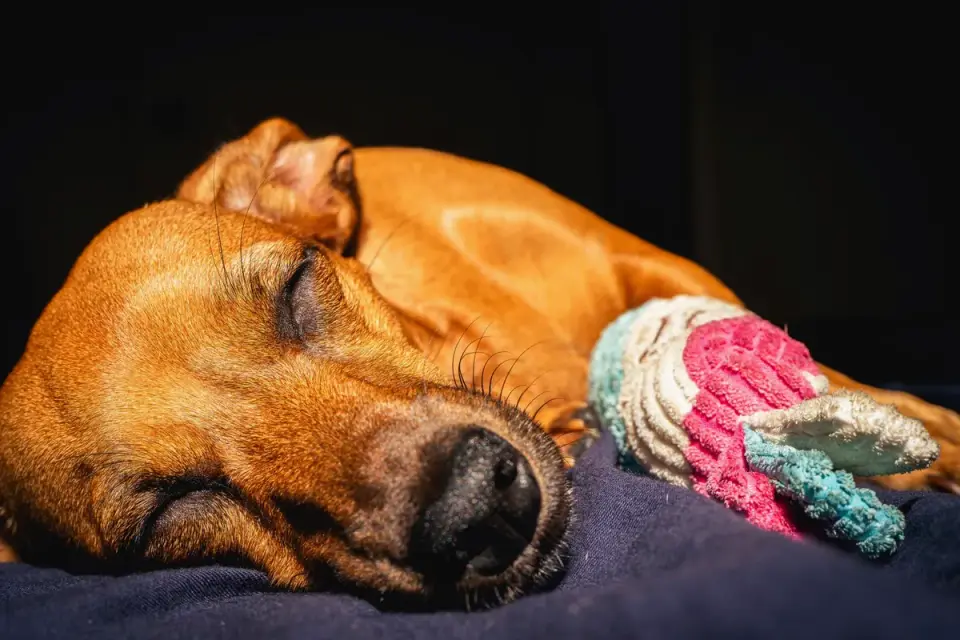
Why does a dog that hates water drink less away from home?
Novel bowls, chlorinated tap smells, and noisy metal fountains put sensitive dogs off. Dehydration then shows up as constipation, concentrated urine, or low energy on walks, which owners often blame on travel stress alone.
Keep the baseline you know works. Bring the home bowl and a gallon or two of home or filtered water for the first 48 hours, then blend to local water if your dog accepts it. Wash bowls daily on the road, because biofilm odor builds fast in warm cars. The American Veterinary Medical Association reminds owners to pack familiar food, water, and medications and to confirm pet policies before you leave, and that boring consistency is exactly what helps water-averse dogs keep drinking.
For joint context, steady hydration and regular movement may help support normal joint function and comfort, though water intake alone does not protect cartilage. I would rather see three short dry walks than one long forced march around a lake to “get her used to it.”
What if rain, wet grass, or a rental bathroom shuts your dog down?
This is where trips unravel. A dog who will not cross wet grass may hold urine overnight. A dog who fears showers may panic on slick fiberglass and strain a shoulder scrambling out.
Scout dry footing before you need it. When you book, ask for ground-floor access, a covered patio, and a shower with a door rather than an open wet room. Pack interlocking foam tiles or yoga mats for the rental bath area, a non-slip tub mat you have already rehearsed at home, unscented wipes, and a waterless foam you have patch-tested. If you do need a full wash, our notes on Beach Trips With Your Dog: Safety and Etiquette explain why rinsing salt and sand matters even when the dog objects, and when to choose a professional bath instead.
A client once tried the opposite with a six-year-old, 62-pound Lab mix who trembled at sprinklers. Determined to “reset” the fear in one weekend, the family carried him into a walk-in shower at a rental and ran the handheld sprayer for four full baths in three nights. By night three he refused the bathroom hallway entirely, limped briefly after scrambling on tile, and urinated on the bedroom rug rather than cross the wet bathmat to go out. We stopped all forced washing, switched to wipes and a quiet sponge bath on dry carpet, and added a ramp into the SUV so he stopped jumping to avoid puddles. The limp resolved, but the bathroom avoidance lasted weeks after they got home.
Short, substantive pause. Dry matters more than clean on a one-week trip.
How do you keep exercise and joints comfortable without swimming?
Many itineraries lean on swimming for exercise, which fails completely for this group. Replace it with sniff walks, gentle hills, and bedding that actually cushions.
I counsel owners to protect the unglamorous pieces: a familiar orthopedic bed, a ramp for the car and cabin steps, and traction runners on hardwood. For car setup, see Best Dog Car Travel Gear: A Brand-Neutral Buyer’s Guide before you add a new harness or platform. Feed and walk at home times, keep nights quiet, and log stiffness in the morning so you can shorten the next day early rather than after a long hike.
The evidence here is thin for travel-specific joint supplements and mixed for any single ingredient, so I stay in structure/function language. Consistent low-impact movement, healthy weight, and rest may help support mobility on the road. That will not fix a sore cruciate ligament or advanced arthritis, and a dog that suddenly will not bear weight needs an exam, not an extra chew.
We had to bend all of this on a late-October drive from Columbus to Asheville, about 380 miles each way, with a newly adopted senior beagle estimated at 11 years old. She hated rain, hated grates, and hated the metal ferry ramp on a planned day trip. The owner dropped the ferry entirely, booked a first-floor motel with an exterior door to dry mulch, and fed dinner inside the parked car with the hatch open when the lobby fountain spooked her. Relief breaks moved to a quiet cemetery verge with short grass, and the long summit hike became three 15-minute sniff loops from the cabin. She drank normally once her home bowl returned and slept through the second night without pacing.
What should you pack differently, and what can you leave behind?
Leave the life jacket, the dock toy, and the big beach towel plan if your dog will not go near the water. Pack for control and dryness: collar plus backup ID, leash plus long line for dry-field sniffing, familiar bowl, bottled water, regular food plus two extra meals, medications, waste bags, potty pads, paw balm, ear cleaner if your vet has recommended one, non-slip mats, ramp, bed, and a crate cover that dampens noise.
Check relief logistics early in airports and terminals. Airport maps and staffing change often, so review Airport Pet Relief Areas: How They Work and Best Airline-Approved Dog Carriers: What “Approved” Actually Means if you are flying rather than driving. For general hygiene around shared bowls and water stations, the Centers for Disease Control and Prevention notes basic hand and bowl hygiene around pets, which is worth following when you are rinsing bowls in rental sinks.
You are planning for a dog who experiences water as pressure, noise, and unstable footing. Give her dry choices, keep the schedule dull, and let fitness come from land.
Frequently asked questions
Should I try to teach a water-averse dog to swim on vacation?
No. Travel adds novelty and fatigue, which makes fear worse. Keep exercise on land with short sniff walks and keep swimming for a structured home program later if your vet or trainer recommends it.
How do I handle baths if my dog panics in a rental shower?
Skip the forced bath. Use wipes or a vet-approved waterless product you have tested at home, add traction mats, and call a local groomer for a full wash if needed.
What if my dog will not drink from travel bowls?
Bring the home bowl and familiar water for the first two days, wash bowls daily, and offer small amounts often. Call your vet if intake stays low, urine looks very dark, or energy drops.
Sources
- Traveling with Your Pet — American Veterinary Medical Association
- Healthy Pets, Healthy People: Stay Healthy Around Animals — Centers for Disease Control and Prevention