Vaccines and Requirements Most Boarding Facilities Need
A vet explains which vaccines dog boarding facilities actually require, why bordetella and canine influenza get singled out, and how to time the paperwork.
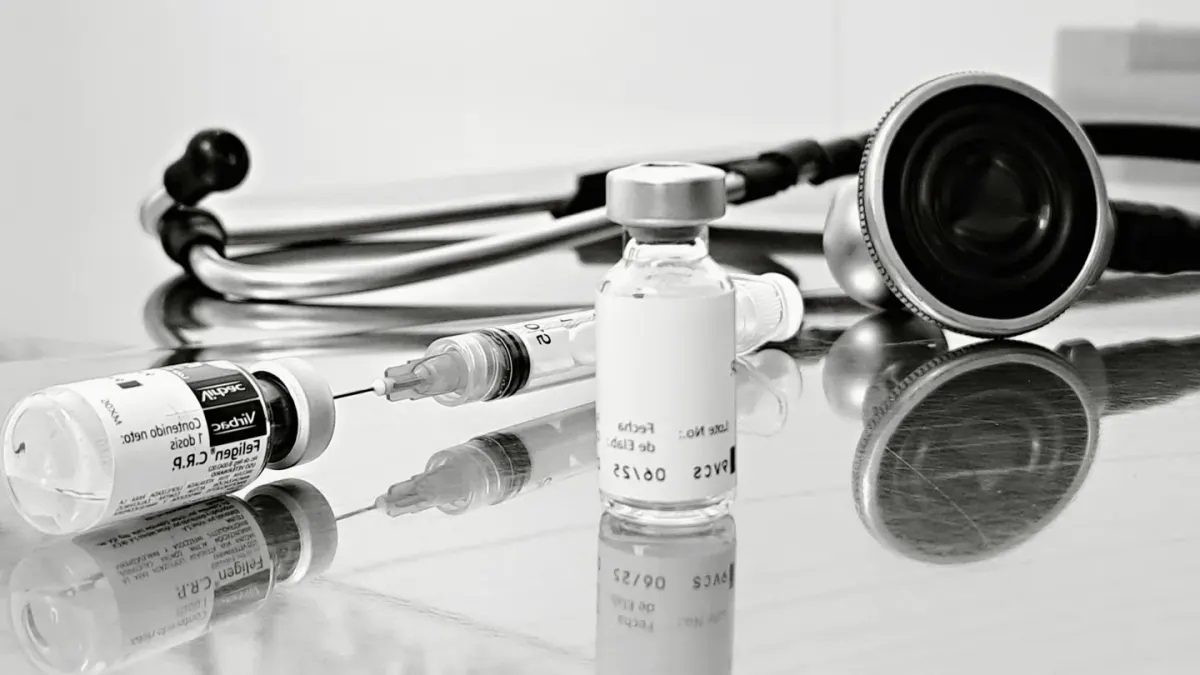
Most boarding facilities require rabies, DHPP, and bordetella, and increasingly ask for canine influenza too.
On this page
- What I tell clients before they even ask
- Rabies and DHPP: the non-negotiable baseline
- Bordetella: why the six-month window matters
- Canine influenza: the requirement that’s spreading
- Where the facility’s list and the evidence-based list diverge
- Building the timeline before you book
- What I actually watch for at pickup
- The bottom line
Book the boarding reservation first, then call your vet. That’s backwards from how most owners do it, and it’s why the front desk ends up faxing records at 4 on a Friday.
The verdict up front: rabies, DHPP (distemper-parvo combo), and bordetella are the baseline almost every facility asks for, and a growing number now want canine influenza on the list too. Kennel cough vaccines alone won’t satisfy a facility that also screens for flu, and a rabies certificate that expired last month won’t satisfy anyone. Here’s what to actually do, in order, and why the list looks the way it does.
What I tell clients before they even ask
In my practice, this conversation usually starts the same way: an owner calls two days before a trip, panicked, because the boarding facility just rejected their dog’s paperwork. I worked with a nine-year-old goldendoodle named Wexler whose owner had a current rabies certificate and a DHPP record from eighteen months back, but no bordetella on file at all — the facility required it within six months. We got him vaccinated on a Tuesday, and the facility’s own policy meant he still couldn’t check in until the following Tuesday because they wanted a week of lead time for the vaccine to take effect. That week-long buffer is the detail owners miss most often, and it’s the one that actually derails travel plans. I now tell every client with a boarding trip on the calendar: call the facility for their exact list before you call me, because the list varies more than people expect, and then get it done at least ten days out, not two.
Rabies and DHPP: the non-negotiable baseline
Rabies vaccination is required by law in most US states, so it’s the one item no boarding facility will waive — they’ll ask for the certificate, not just a verbal “yes, he’s had it.” DHPP (distemper, hepatitis/adenovirus, parainfluenza, parvovirus) is the other fixture on almost every intake form. These are core vaccines for a reason: the diseases they cover are severe, and parvovirus in particular survives in the environment and spreads through shared spaces like kennel runs. A facility housing dozens of unrelated dogs is exactly the setting where a core-vaccine gap turns into an outbreak.
Bordetella: why the six-month window matters
Bordetella is classified as a non-core, or “lifestyle,” vaccine — it’s not required by law, but it’s required by nearly every boarding kennel, and for good reason. According to the Bordetella, Canine Parainfluenza, and Canine Influenza chapter of the 2022 AAHA Canine Vaccination Guidelines, annual mucosal (intranasal or oral) vaccination is recommended for dogs expected to board, be shown, or enter a kennel situation, and most boarding kennels require the vaccine within six months of the stay, given at least a week before check-in. That one-week buffer isn’t arbitrary — it’s the window the vaccine needs to prompt a protective mucosal response before your dog is breathing the same air as thirty other dogs.
Bordetella bronchiseptica is one of several pathogens behind “kennel cough,” a catch-all term for canine infectious respiratory disease. AAHA also notes that combination intranasal products covering bordetella, parainfluenza, and adenovirus-2 are generally preferred over the injectable-only bordetella option because the mucosal route produces faster, better protection in a high-exposure setting like a kennel.
Canine influenza: the requirement that’s spreading
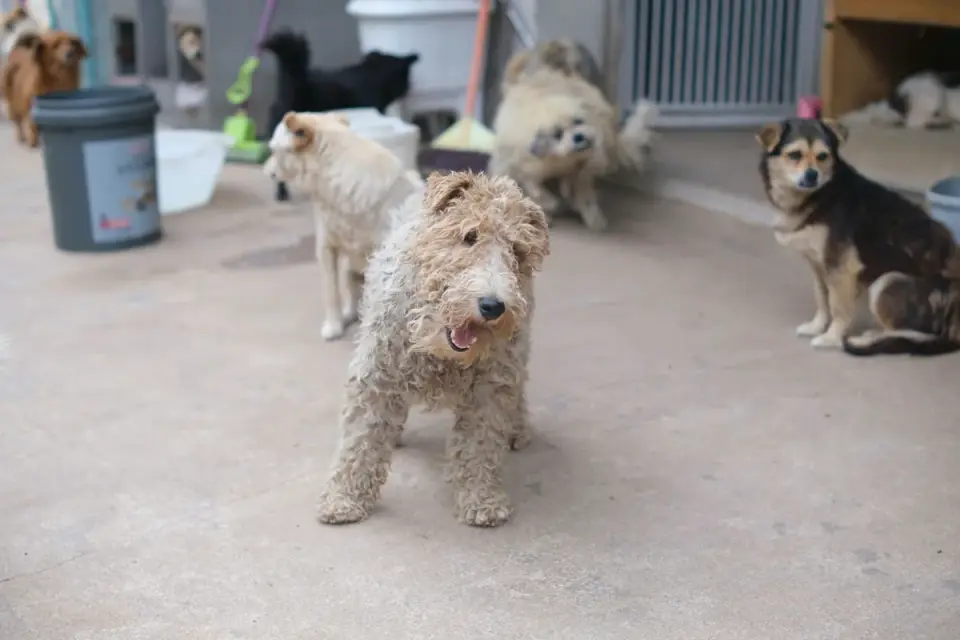
Canine influenza vaccination is increasingly showing up on boarding and daycare intake forms, and it’s worth understanding what it does and doesn’t do before you assume your dog is covered. Per the American Veterinary Medical Association, routine use of the canine influenza vaccine isn’t broadly recommended for every dog, but vaccination may be advisable in areas where the virus is circulating — particularly for dogs that board, travel, or otherwise spend time around unfamiliar dogs. There are two recognized strains, H3N8 and H3N2, and vaccines exist for both, including combination products. The vaccine doesn’t guarantee your dog won’t catch the flu; what the evidence shows is that it can meaningfully reduce the severity, duration, and shedding of the illness if infection does occur.
That distinction matters when a facility asks for proof of canine influenza vaccination. It’s not that unvaccinated dogs are barred from ever getting sick — it’s that a facility housing large groups of dogs is managing outbreak risk for everyone in the building, and a vaccinated population sheds less virus if something does get in. This is a two-dose initial series with a booster interval, so if your dog has never had it, don’t expect same-week protection.
Where the facility’s list and the evidence-based list diverge
Here’s a short one: not every “required” vaccine on a boarding form is medically necessary for every dog, and not every medically reasonable vaccine is on every form. Some facilities still ask for a bordetella booster every six months even for dogs with minimal boarding frequency, which is stricter than what a low-exposure pet may need; others don’t ask about canine influenza at all, despite housing dogs from multiple states in shared runs. I don’t fight a facility’s paperwork policy — that’s their liability call to make — but I do tell owners which items on the list are protecting their dog specifically versus which are protecting the facility’s population as a whole. Both are legitimate reasons to vaccinate. They’re just different reasons, and knowing which is which helps you plan the next trip instead of scrambling for it.
Building the timeline before you book
Call the facility and get their exact list in writing — don’t rely on a general “standard vaccines” answer, because bordetella windows and influenza requirements vary by facility. Then work backward from the check-in date: bordetella needs about a week to take effect, and a first-time canine influenza series needs two doses several weeks apart before it’s considered complete. If your dog is due for anything, schedule it with enough runway that the facility’s own lead-time rule doesn’t strand you the way it did with Wexler. This same lead-time logic applies broadly to travel prep — the same planning gap trips people up whether they’re figuring out how to travel with a puppy for the first time or sorting out restraint options for the car ride to get there.
A physical exam is worth building into that timeline too, especially for older dogs or dogs with any chronic condition — a vet visit before a boarding stay is a chance to flag anything that might make a multi-day kennel stay harder on a dog with stiff joints or reduced stamina, not just a vaccine formality.
What I actually watch for at pickup
I still remember a lab mix, Otis, mid-size and about seven years old, whose owner boarded him fully vaccinated and did everything right — and he still came home with a mild cough three days later, because bordetella vaccination reduces the odds and severity of kennel cough, it doesn’t eliminate them. That’s the honest ceiling on any non-core vaccine in a high-density environment: it lowers risk substantially, it doesn’t make the building sterile. I tell owners to watch for a cough, nasal discharge, or lethargy in the week or two after a boarding stay, and to call if anything shows up, rather than assuming full vaccination means zero risk. If your dog is traveling by air before or after the boarding stay, the same “vaccinated doesn’t mean risk-free” logic applies to flying with a dog generally, and it’s worth reading the paperwork timeline for that trip too, alongside whatever carrier and gear questions come up, like those covered in guidance on collapsible feeding gear for travel.
The bottom line
Rabies and DHPP are the legal and medical floor. Bordetella is the vaccine every boarding facility will ask about, with a real one-week lead-time rule behind it. Canine influenza is the one gaining ground fastest, and it’s worth asking about specifically rather than assuming your dog’s existing vaccines cover it. Call the facility, get the list in writing, and build your timeline backward from check-in — that one habit prevents most of the last-minute boarding rejections I hear about.
Frequently asked questions
How soon before boarding does my dog need the bordetella vaccine?
Most facilities want it documented within six months of the stay, and the vaccine itself needs about a week to take effect, so plan for at least seven to ten days of lead time before check-in.
Is the canine influenza vaccine required for boarding?
It depends on the facility. It's not legally mandated the way rabies is, but a growing number of boarding and daycare facilities now request it, especially in areas where the virus has circulated recently.
Sources
- Bordetella, Canine Parainfluenza, and Canine Influenza — AAHA
- Canine influenza: Veterinary resources — American Veterinary Medical Association